4 hrs ago
Supreme Court Limitation Ruling Sparks Debate Over Public Assets
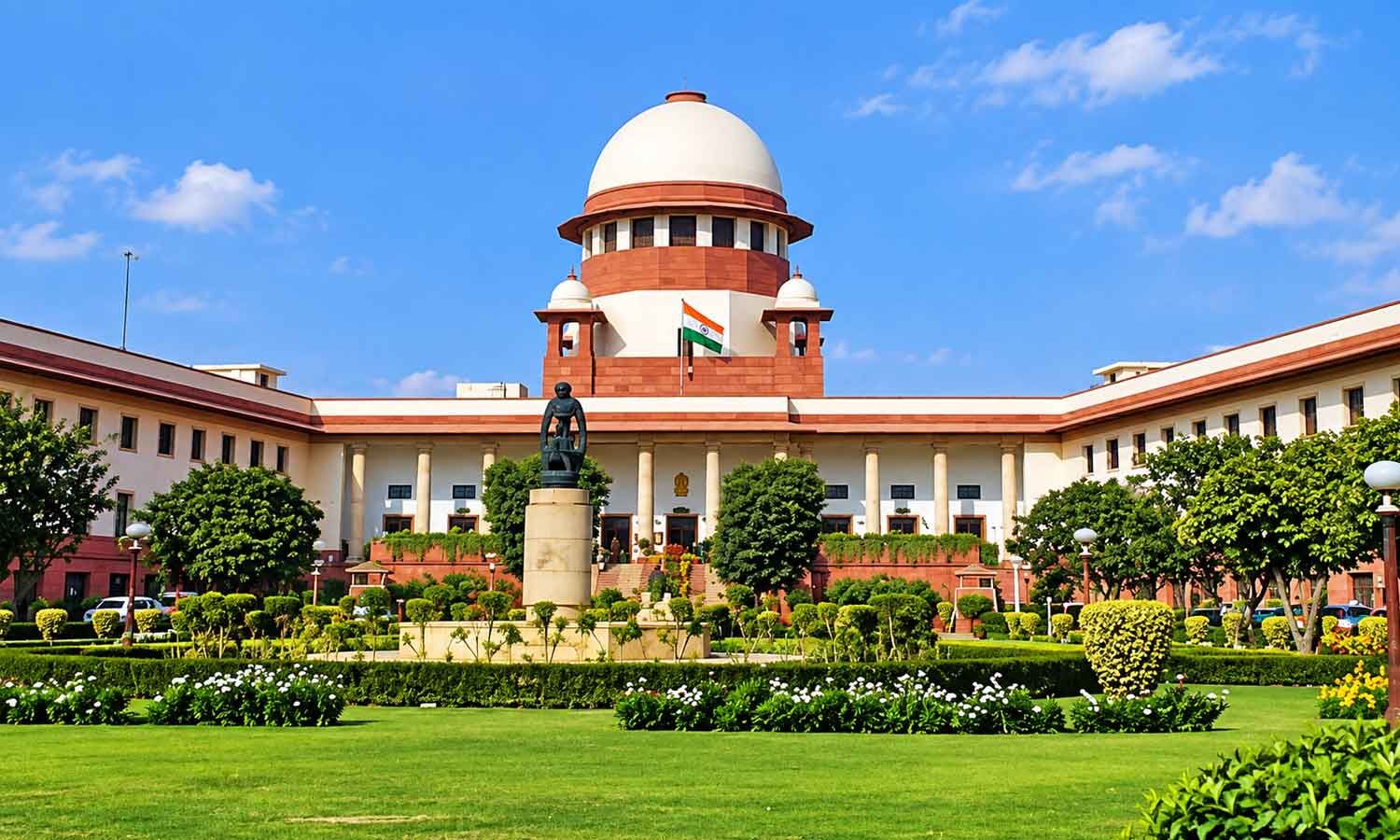
The Supreme Court rejected a case filed by the Telangana government because it was filed too late.
The case involved land at Lothukunta.
The government’s petition reportedly came 219 days after the usual deadline.
The article says this means the court did not examine whether the government had a strong claim to the land.
It argues that public land and other resources belong to the people, not just the government.
At the same time, deadlines are important because they help keep the legal system certain and fair.
The article suggests that courts could make rare exceptions when valuable public assets are at risk.
It also says officials responsible for unexplained delays should be investigated and held accountable.

The Supreme Court of India dismissed Telangana’s Special Leave Petition in the Lothukunta land dispute on limitation grounds.
The petition was reportedly filed 219 days after the normal 90-day appeal period had expired.
The article argues that public assets should receive stronger protection when procedural delays prevent courts from examining the merits.
It cites Article 142 as a possible constitutional tool for preventing irreversible losses involving public land and natural resources.
The proposed reforms include inquiries into unexplained delays, official accountability, and closer scrutiny of government appeals.
- Who
- The Supreme Court of India and the State of Telangana are the principal parties mentioned.
- What
- The Supreme Court dismissed Telangana’s Special Leave Petition in the Lothukunta land dispute because of delay and limitation.
- Where
- The dispute concerns Lothukunta land in Telangana, India.
- When
- The dismissal occurred on Tuesday; the petition was reportedly filed 219 days after the ordinary 90-day appeal period.
- Why
- The petition was rejected on procedural limitation grounds, while the article argues that public-asset cases may warrant exceptional judicial protection.
Public-Asset Protection
Procedural Finality
Should courts relax limitation rules?
Public-Asset Protection
Courts should consider exceptional relief when delayed litigation risks the irreversible loss of public land or natural resources, particularly where the public—not merely the government—is affected.
Procedural Finality
Limitation rules protect certainty, finality, and the rule of law; government agencies should not receive special indulgence for bureaucratic delay.
How should unexplained delays be handled?
Public-Asset Protection
Courts should be able to order inquiries and, in appropriate cases, use Article 142 to protect public assets despite procedural failures.
Procedural Finality
The primary remedy should be administrative and professional accountability, rather than routinely reopening cases after deadlines have passed.
Meaning of public interest
Public-Asset Protection
Protecting valuable public property serves citizens and future generations and may justify a more flexible approach in exceptional cases.
Procedural Finality
Public interest also requires diligent government administration, predictable legal rights, and compliance with statutory deadlines.
Key facts
- Case
- Lothukunta land dispute
- Petitioner
- State of Telangana
- Court action
- Special Leave Petition dismissed
- Reported delay
- 219 days after the normal appeal period expired
- Normal appeal period
- 90 days
- Relevant constitutional provision
- Article 142, concerning orders necessary to do complete justice
- Proposed response
- Inquiries into unexplained delays and accountability for responsible officials
Quotes

Supreme Court of India
India’s highest constitutional court, whose remedial powers are discussed in the article
“public interest is not synonymous with the cause of the Government. It is, instead, synonymous with the enforcement of rule of law, certainty in legal rights, and an administrative machinery that functions with diligence and accountability.”
 thehansindia.com
“pass such decree or make such order as is necessary for doing complete justice in any cause or matter pending before it.”
thehansindia.com
Sources
Related news

Indore High Court Rejects State’s Six-Year-Late Dhar Land Appeal
Supreme Court Rejects Telangana Plea Over Shantha Sriram Land
Patna High Court Sets 45-Day Limit for RTI Second Appeals
Supreme Court’s CJP Order Reignites Article 142 Debate

Naidu Sets March Deadline to Resolve Andhra Pradesh Land Disputes
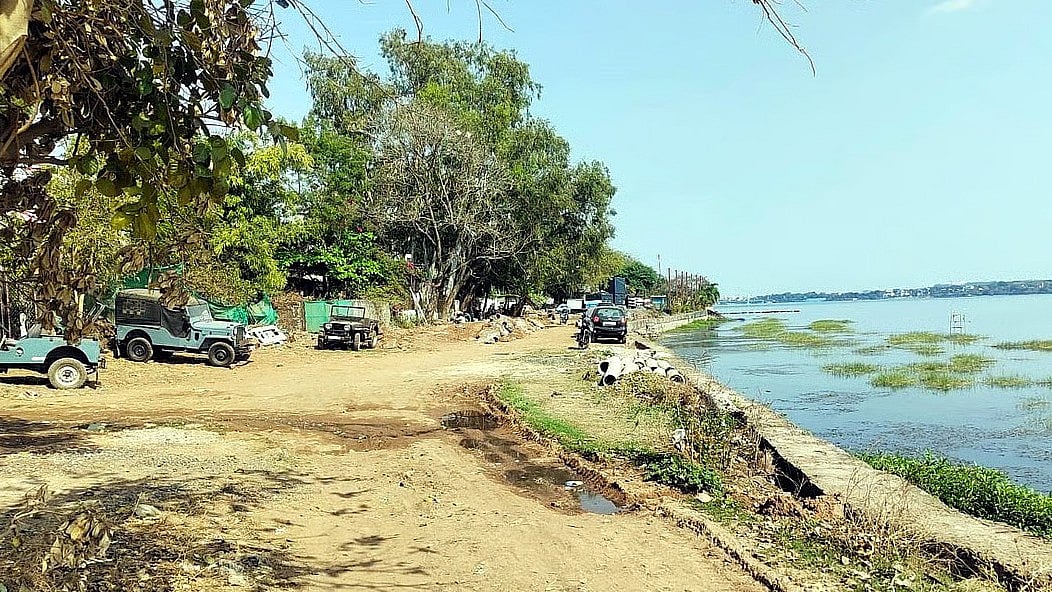
NGT Slams Official Inaction Over Bhoj Wetland Encroachments
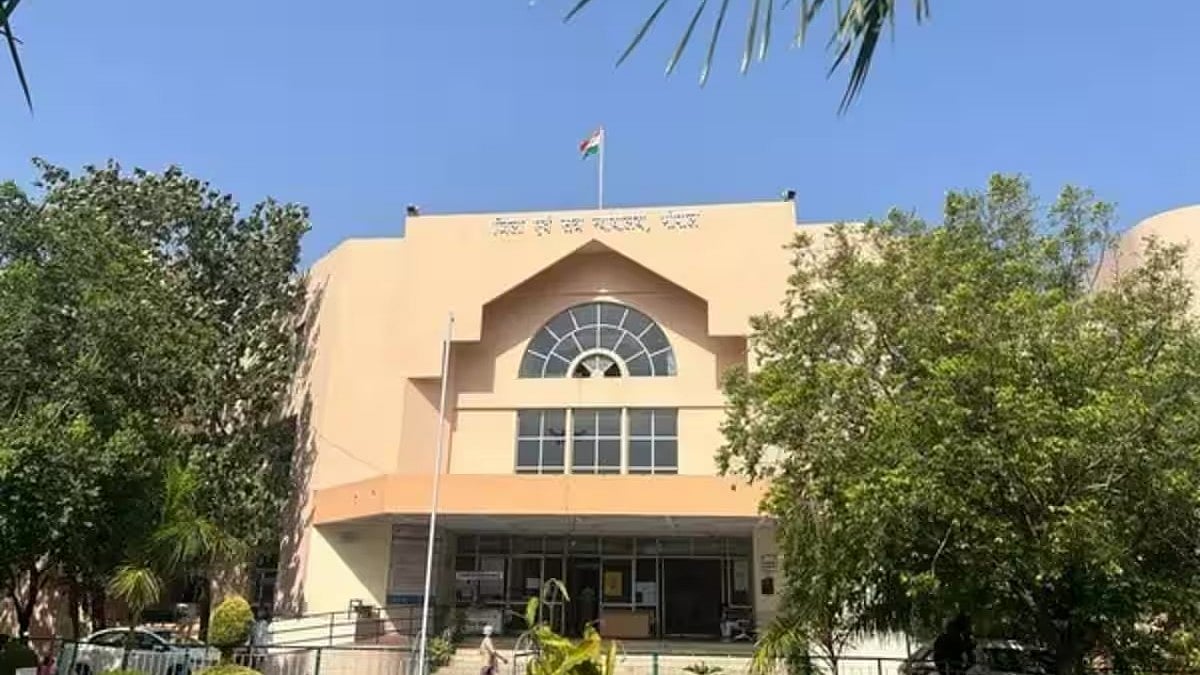
Dow Chemical Challenges Jurisdiction Arguments In Bhopal Gas Disaster Trial

BCCI Reports ₹3,000 Crore Tax Payment Amid Sports Act Case

Mamata Takes TMC Name-Symbol Battle to Supreme Court

Karnataka Seeks Local Input Before Kasturirangan Decision Deadline