

55 mins ago
Why Festival Fun Can Trigger Children’s Meltdowns

Festivals can be exciting, but they can also feel like too much for young children.
There may be many people, loud sounds, hugs, photographs and new places.
Staying up late or missing meals can make children even more tired and upset.
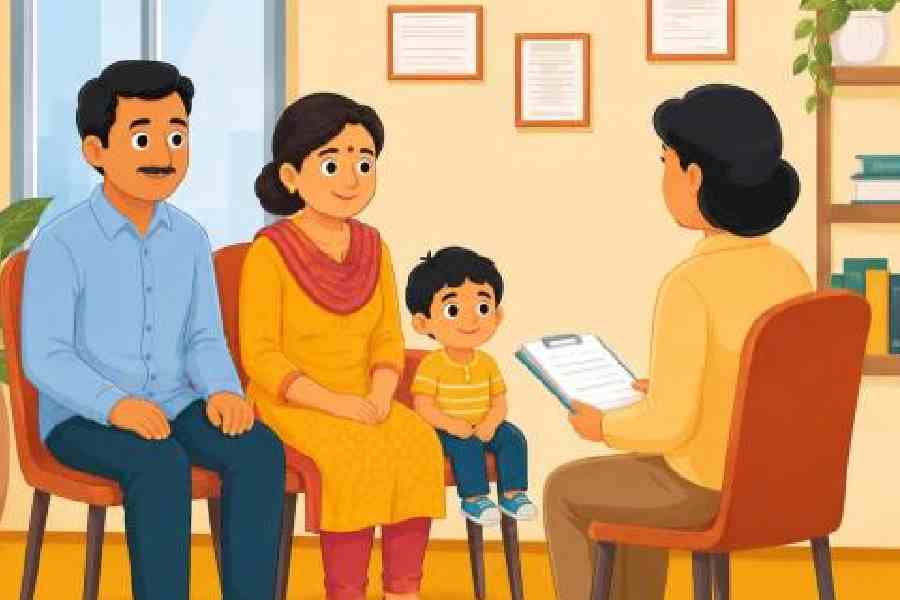
A child may show signs such as covering their ears, clinging to a parent or asking to go home.
When a meltdown starts, parents should take the child somewhere quieter and stay calm.
They should not shout, threaten or embarrass the child.
After calming down, the child may be able to enjoy the celebration again.
Sometimes children fall apart at home because they feel safe there.
Parents should seek professional advice if meltdowns are very frequent, severe, unsafe or continue after normal routines resume.

Festivals can overwhelm young children with noise, crowds, unfamiliar settings and emotional excitement.
Disrupted sleep, skipped naps, delayed meals and changing routines can reduce children’s emotional control.
Early warning signs include ear-covering, clinginess, withdrawal, restlessness, irritability and asking to go home.
During a meltdown, parents should prioritize safety, move to a quieter space and speak calmly rather than lecture or punish.
Frequent, severe or unsafe meltdowns that continue after routines return may warrant advice from a paediatrician or child psychologist.
- Who
- Young children, especially those aged 3 to 7, and their parents; Dr Arohi Vardhan provides the guidance.
- What
- The article explains why children may have emotional meltdowns during or after festivals and how parents can respond.
- Where
- At crowded or unfamiliar family gatherings and sometimes later at home.
- When
- During busy festival celebrations, wedding season and other events involving disrupted routines.
- Why
- Noise, social demands, excitement, tiredness, hunger, missed naps and disrupted routines can overwhelm children whose emotional regulation is still developing.
Key facts
- Expert
- Dr Arohi Vardhan, Child and Adolescent Psychiatrist at Cadabams Hospitals, Bangalore
- Age group discussed
- Children aged 3 to 7
- Common triggers
- Noise, crowds, unfamiliar surroundings, social expectations and emotional excitement
- Routine disruptions
- Late bedtimes, skipped naps, delayed meals, long journeys and repeated gatherings
- Immediate response
- Prioritize safety and regulation, move to a quieter area and use a calm voice
- What to avoid
- Shouting, threats, public embarrassment and demanding immediate compliance
- When to seek help
- When meltdowns are extremely frequent or intense, involve aggression or self-injury, take a long time to resolve or continue after routine returns
Quotes
Dr Arohi Vardhan
Child and adolescent psychiatrist at Cadabams Hospitals, Bangalore
“A tired or overstimulated child may simply not have the capacity to meet another demand at that moment.”
 thebetterindia.com
“Excitement and overstimulation can look very similar from the outside.”
thebetterindia.com
Sources
Related news

Mother's Three-Second Pause Shapes Her Approach to Calm Parenting
Why Bigg Boss Contestants React Differently Under Constant Surveillance

How Parents Can Teach Children Healthy Emotional Expression

Priyank Kharge Questions Police Protection for Peaceful Festival Celebrations

Shriya Saran’s Daughter Hides From Paparazzi Outside Mumbai Temple
Nursery Schools Probe Three- and Four-Year-Olds’ Screen-Time Habits

Petrol, Diesel Prices Hold Steady Across Major Indian Cities

Indian Swim Team Completes Historic Catalina Channel Double Crossing

Chess Olympiad 2026 Torch Handed to Uzbek Grandmaster Sindarov

ABVP Seeks Permanent Block on Umar Khalid Documentary Screening
