1 hr ago
Indian Executives Gain Record Seats on US Corporate Boards
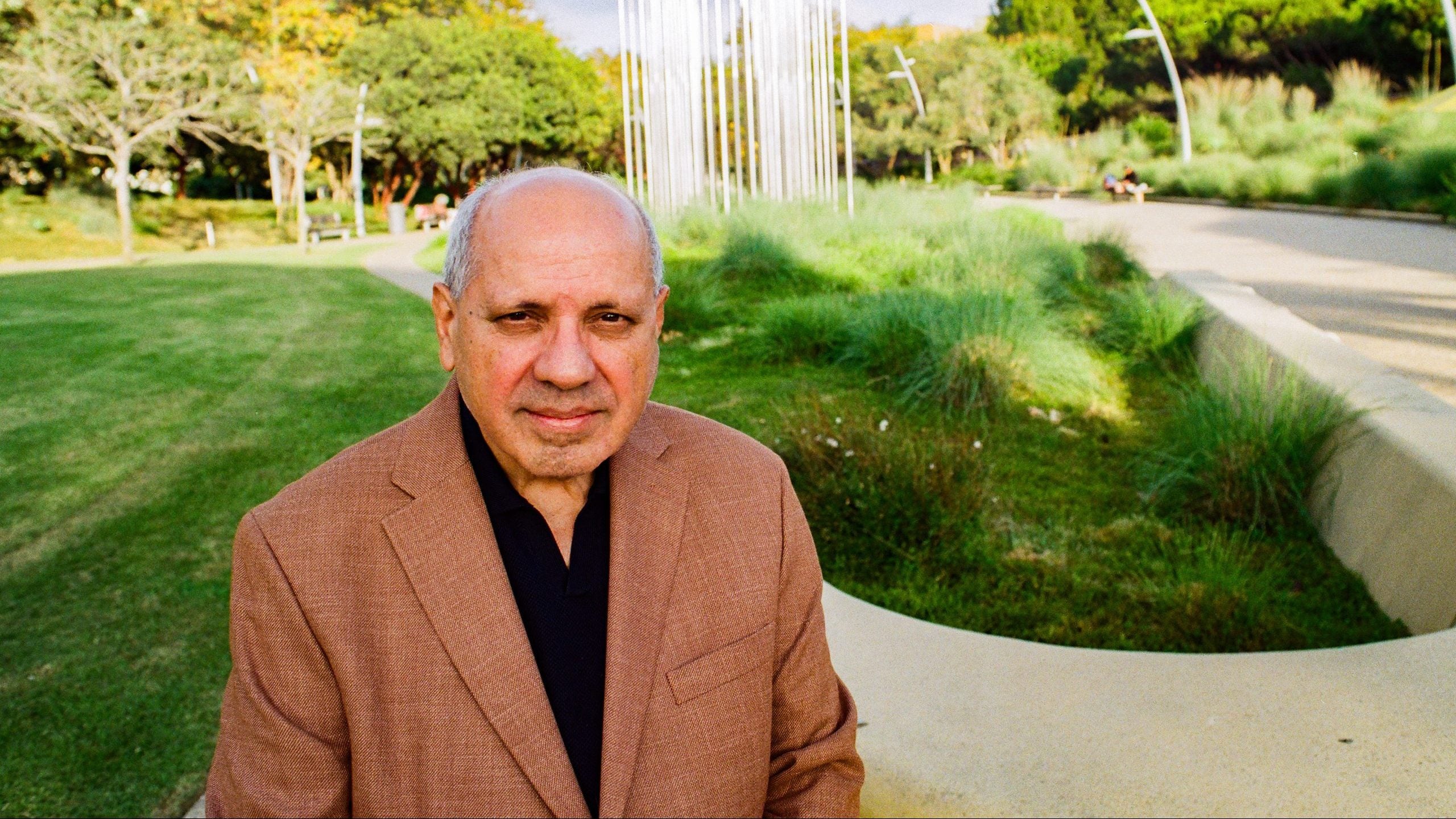
Sixteen Indian men joined the boards of major US companies in 2026, the largest number recorded in one year.
A board is a group that helps oversee a company.
Many of these executives previously ran businesses or served as chief executive officers.
Indian men now lead companies such as Alphabet, Microsoft and Procter & Gamble.
Their progress has continued even as some companies reduce diversity, equity and inclusion efforts.
Indian women have not advanced at the same pace, partly because fewer have been CEOs.
Advocates also say other Asian groups remain under-represented on corporate boards.
New immigration restrictions may make it harder for future Indian professionals to follow similar career paths.
Supporters say the executives' success reflects years of education, work and leadership experience in the United States.

A record 16 Indian men joined S&P 500 boards in 2026.
New directors include leaders associated with Walmart, Southwest Airlines and Western Digital.
Indian men now hold 184 seats on Fortune 500 and S&P 500 boards, with 77% having operating experience.
About two-thirds of this year's Indian male directors are current or former CEOs.
Advocates say immigration restrictions could make the career path followed by many Indian executives harder to replicate.
- Who
- Sixteen Indian men joined S&P 500 boards in 2026, alongside established Indian-American executives and board leaders.
- What
- Indian men are gaining influence in US corporate boardrooms, with their representation rising sharply since 2018.
- Where
- The appointments involve boards of S&P 500 and Fortune 500 companies in the United States.
- When
- The record additions occurred in 2026; the longer-term comparison dates to 2018.
- Why
- Many Indian executives have accumulated CEO and operating experience, credentials increasingly sought by corporate boards.
Growing Representation
Persistent Gaps and Barriers
Meaning of the boardroom gains
Growing Representation
The appointments show that Indian executives' long-term advancement, CEO experience and operating skills are opening more opportunities in corporate America.
Persistent Gaps and Barriers
The progress is concentrated among Indian men and does not represent equal advancement for Indian women or other Asian groups.
Effect of immigration policy
Growing Representation
Supporters of expanded opportunity argue that the United States should remain a magnet for highly skilled talent and avoid rules that block future executives.
Persistent Gaps and Barriers
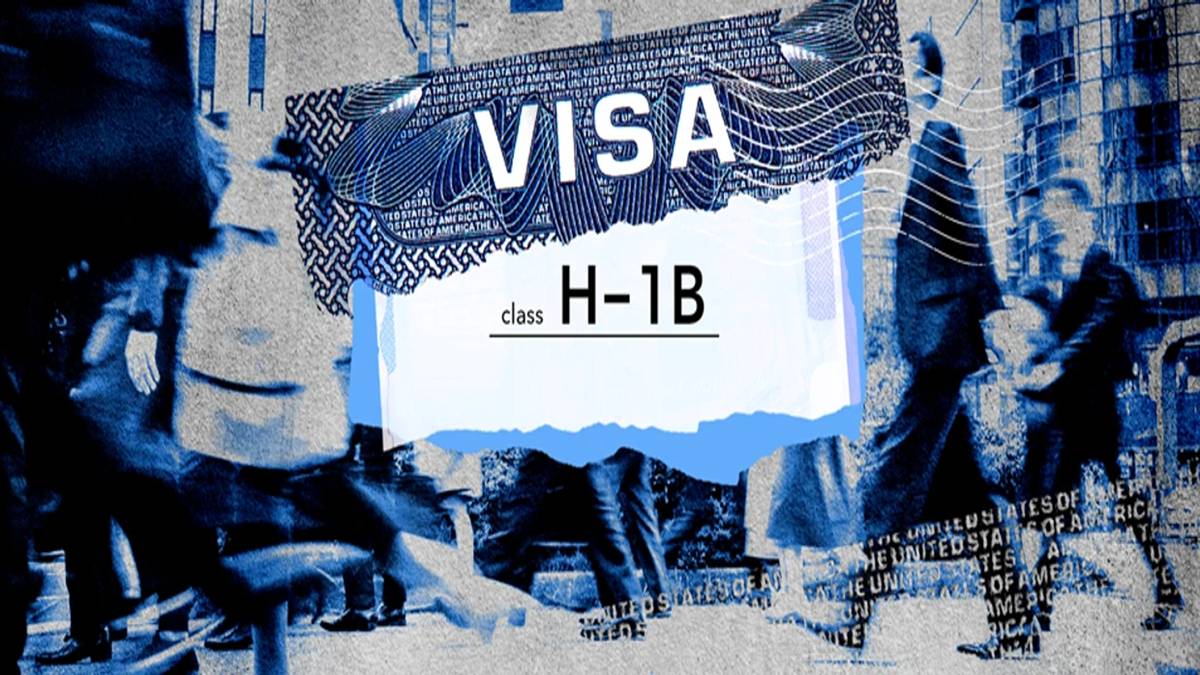
The administration's tighter H-1B restrictions, including a $100,000 employer payment for certain workers, could make the pathway followed by many Indian executives more difficult.
Diversity efforts
Growing Representation
Indian men's gains indicate that board diversity can continue improving even as companies pull back from formal diversity, equity and inclusion efforts.
Persistent Gaps and Barriers
The uneven results suggest that broader representation still requires attention, including efforts to address what some researchers call a bamboo ceiling for East Asian executives.
Key facts
- New 2026 directors
- 16 Indian men joined S&P 500 boards.
- Current board representation
- 184 Indian men serve on Fortune 500 and S&P 500 boards.
- Operating experience
- 77% of those 184 Indian men have profit-and-loss or operating backgrounds.
- CEO experience
- Roughly two-thirds have held CEO roles; the same proportion applies to this year's directors.
- Representation trend
- The share of Indian men among Fortune 500 and S&P 500 directors has tripled since 2018.
- Indian-born H-1B workers
- Indian-born workers accounted for about 71% of approved H-1B petitions in fiscal 2024.
- Notable board appointments
- Anand Eswaran joined F5's board, while Indra K. Nooyi and Sonia Syngal joined the boards of Honeywell and Tractor Supply.
Quotes
Sanjeev Joshipura
Executive director of Indiaspora, which advocates for the Indian community
“The mindset was, if I continue to perform well relative to my peers, I’ll be recognized and I’ll be promoted. But I think the recognition of understanding was that your softer skills, influencer skills, listening ability, after you reach a certain level, are more important.”
 theprint.in
“The rules shouldn’t be made in a way that prevents America from continuing to be the primary magnet for the best talent all over the world.”
theprint.in
Sources
Related news
India’s Banks Face CEO Shortage Despite Global Leadership Success
Indian Companies Urged to Advance Mid-Career and Senior Women

Indian-Origin Executives Leading Adobe and Global Corporate Giants

India Leads US Immigrant Billionaire Birthplaces With 19

India-Raised Founders Build $560 Billion Overseas Startup Footprint
Archer & Bull Names Parag Patil India COO to Drive Growth
Vance Signals Tougher H-1B Curbs for Companies Laying Off Americans
H-1B Visa System Faces Intensifying Trump Administration Investigation
H-1B Fee Extension Deepens Uncertainty for Indian Professionals and Students

NRI Estimates H-1B Salaries Needed Across Ten US Cities