1 week ago
US Weighs 7.5% China Tariff Before Trump-Xi Talks
The United States is thinking about adding a 7.5% tax to some goods from China.
The goal is to make it harder for very cheap Chinese products to enter global markets.
The products could include steel, electric cars, solar panels, batteries and electronics.
The White House has not confirmed that the plan will happen.
China might respond by buying fewer American products, especially soybeans, pork and beef.
That could hurt US farmers even though farms are not the direct target.
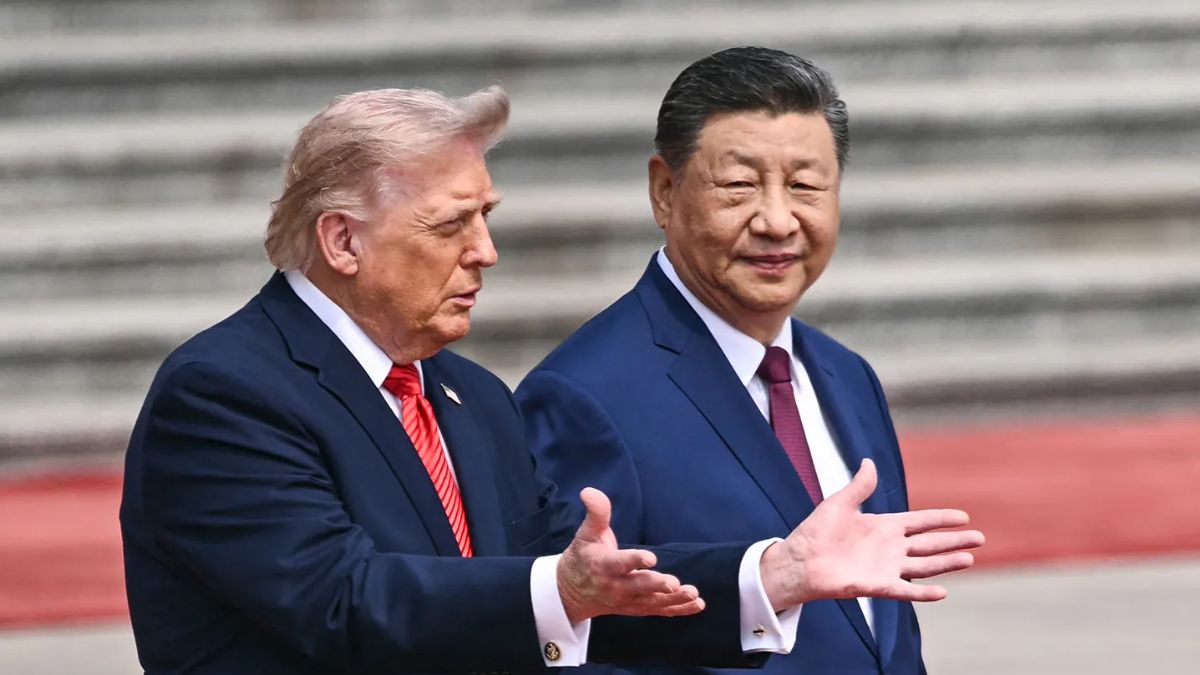
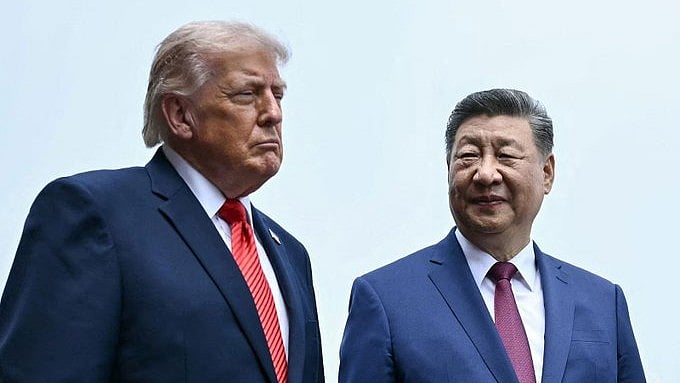
The possible tariff is being discussed before a planned meeting between Donald Trump and Xi Jinping.
At the same time, the United States is preparing stronger sanctions against Iran.
Iran has warned that tensions could affect oil shipments through the Strait of Hormuz, potentially raising oil prices.

The Trump administration is considering a 7.5% tariff on Chinese goods, potentially raising additional US tariffs on China to about 20%.
The proposal reportedly targets Chinese overproduction and low-priced exports, especially steel, aluminum, electric vehicles, solar panels, batteries, machinery and electronics.
The White House has not confirmed the plan and called reports about it “baseless speculation.”
China could retaliate against US exports such as soybeans, pork and beef, putting pressure on American farmers.
The tariff discussions coincide with a new US sanctions campaign against Iran, which could affect oil markets if tensions around the Strait of Hormuz escalate.
- Who
- The Trump administration and Chinese authorities are involved; President Donald Trump and President Xi Jinping may discuss the issue.
- What
- The United States is considering a 7.5% tariff on Chinese goods while launching stronger economic pressure against Iran.
- Where
- The proposed tariff concerns Chinese goods entering the United States, while the sanctions campaign could affect Iran, the Gulf region and the Strait of Hormuz.
- When
- The tariff could be announced before a planned Trump-Xi meeting in late September; the Iran sanctions campaign was announced on Monday.
- Why
- Washington says it is responding to Chinese overproduction and low-priced exports and is seeking to pressure Iran economically.
US and tariff proponents
China and tariff critics
Reason for the tariff
US and tariff proponents
The proposed measure is intended to address Chinese excess production, price distortion and low-priced exports that are affecting global markets.
China and tariff critics
China has rejected the findings behind the overcapacity concerns and has said the United States should honor commitments made during trade consultations.
Impact on trade relations
US and tariff proponents
A 7.5% tariff is being considered as a way to pressure China while preserving a one-year trade truce and keeping a Trump-Xi meeting possible.
China and tariff critics
Beijing has warned that US tariffs should not exceed the levels outlined in the Kuala Lumpur trade consultations, with additional tariffs capped at 20%.
Risk of retaliation
US and tariff proponents
US farmers are not the direct target of the proposal, and the tariff is intended to focus on strategic Chinese industries rather than all Chinese goods.
China and tariff critics
China could retaliate against US soybeans, pork and beef, potentially hurting American farmers whose soybean sales to China remain below pre-trade-war levels.
Key facts
- Proposed tariff
- 7.5% on some Chinese goods
- Potential total
- About 20% in additional US tariffs on China
- Industries in focus
- Steel, aluminum, electric vehicles, solar panels, lithium-ion batteries, petrochemicals, machinery and electronics
- Potential US retaliation targets
- Soybeans, pork and beef
- Soybean commitment
- China agreed to buy at least 25 million metric tons of US soybeans annually through 2028
- US-China meeting
- A Trump-Xi meeting is planned for the White House in late September
- Iran pressure campaign
- Treasury Secretary Scott Bessent described it as an “economic asphyxiation” campaign
- Potential oil impact
- Restrictions involving the Strait of Hormuz could push global oil prices higher
Quotes

China’s Ministry of Commerce
China’s government ministry responsible for trade policy
“We hope that the US will honour its commitments, ensuring that regardless of the reasons given for imposing or replacing tariffs on China in the future, US tariffs on China will not exceed the levels outlined in the Kuala Lumpur trade consultations.”
 financialexpress.com
Sources
Related news

Trump Weighs 7.5% Tariff on China Over Excess Capacity

China Warns of Countermeasures as US Weighs New Tariff

Iran Oil Sanctions Put China’s Refiners and Banks Under Pressure
China Opposes New Iran Sanctions as Trump Presses Talks
Trump Vows to Hit Iran Hard Economically; Options Weighed
China Rejects US Sanctions Threats Over Iran Trade
US-Iran Strikes Escalate as Tehran Warns of New Strategy
Trump Warns of Fresh Iran Strike After Heavy Attack

Trump Says US Could Attack Iran Again at Will

U.S. Treasury Yields Ease as Jobs Data Misses Expectations

Iran Seizes Fuel-Smuggling Vessel in Gulf, Arrests 11 Crew