17 hrs ago
US and Iran Exchange New Strikes as Gulf Conflict Widens

The United States and Iran exchanged new attacks in a growing conflict.
The United States said it struck Iranian military and shipping-related sites.
Iran said it fired missiles and drones at American facilities and bases in nearby countries.
Jordan said its defenses stopped 10 of 13 missiles that entered its airspace.
Early U.S. information said there were no casualties from the attack in Jordan.
Iranian officials reported deaths and injuries at a wedding near the Strait of Hormuz, but the United States had not immediately commented.
Iran also warned that it could stop oil from being exported through the Persian Gulf.
Because the Strait of Hormuz is an important oil route, oil prices went up.
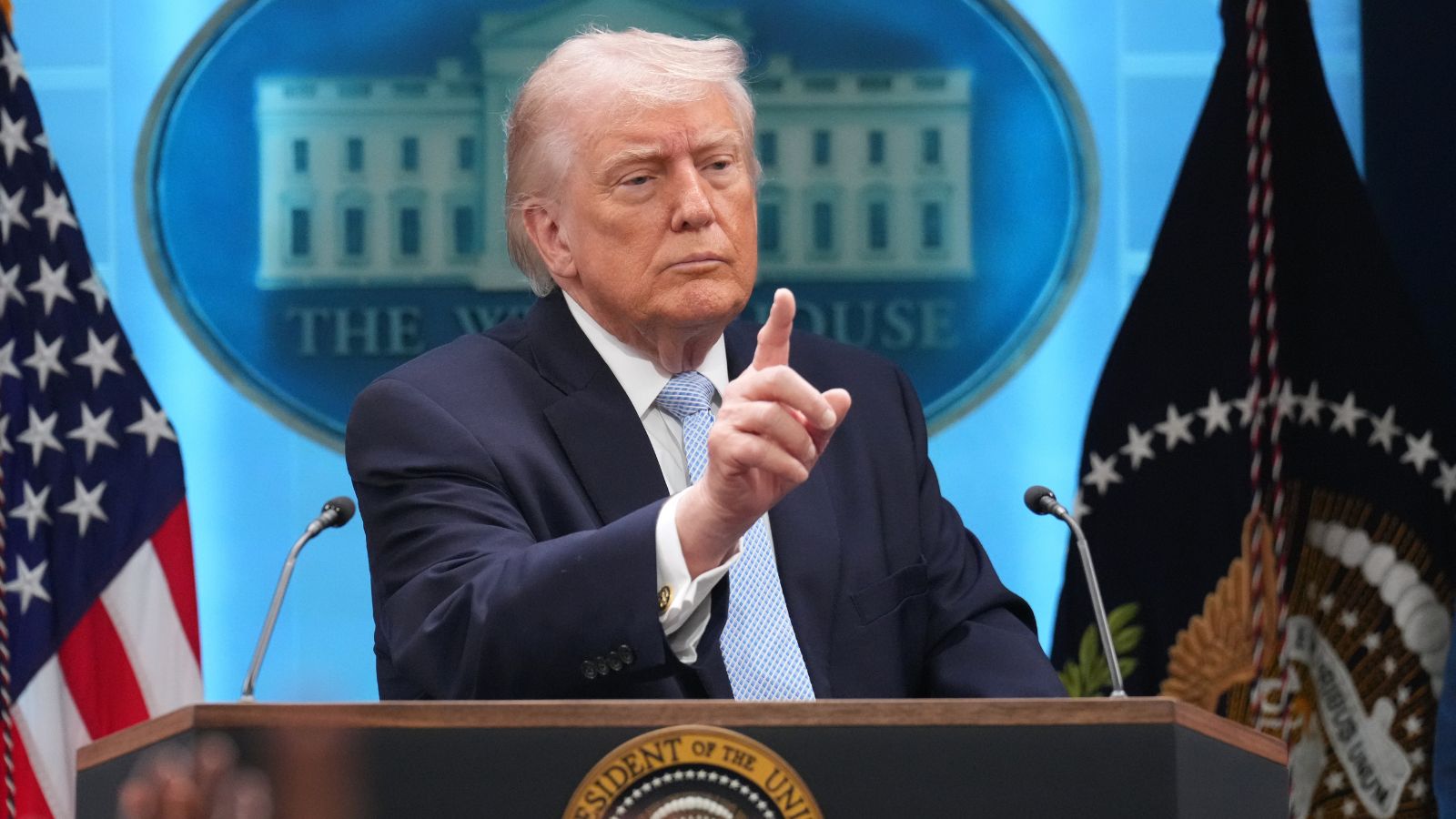
U.S. President Donald Trump warned that Iran would face an even stronger attack if it retaliated again.

The United States launched airstrikes against Islamic Revolutionary Guard Corps targets in Iran on Tuesday.
Iran retaliated with missile and drone attacks targeting U.S. facilities in Jordan, Bahrain and possibly Kuwait.
Iranian reports said five people were killed and 50 wounded at a wedding near Sirik, while another report listed 68 wounded.
Iran threatened to prevent oil exports through the Persian Gulf, further restricting shipping through the Strait of Hormuz.
Oil prices rose more than $4 per barrel to a five-week high as the conflict intensified.
- Who
- The United States, Iran, the Islamic Revolutionary Guard Corps, U.S. allies in the region and President Donald Trump.
- What
- The United States launched airstrikes on Iranian targets, and Iran responded with missile and drone attacks against facilities in Jordan, Bahrain and reportedly Kuwait.
- Where
- Iran and military facilities in Jordan, Bahrain and the wider Persian Gulf region, including the Strait of Hormuz.
- When
- Tuesday, September 1, following exchanges of fire over the weekend and additional strikes on Sunday and Monday.
- Why
- The United States said its strikes were retaliation for alleged Iranian mine-laying attempts in the Strait of Hormuz and missile attacks on a U.S. base in Jordan; Iran described its attacks as retaliation.
U.S. Position
Iranian Position
Justification for the strikes
U.S. Position
The United States said its attacks targeted Islamic Revolutionary Guard Corps capabilities and were retaliation for attempted mine-laying in the Strait of Hormuz and Iranian missile attacks on a U.S. base in Jordan.
Iranian Position
Iran condemned the attacks and said the United States would regret them, while presenting its strikes against regional U.S. facilities as retaliation.
Control of the Strait of Hormuz
U.S. Position
The United States has described Iranian mine-laying attempts and attacks on commercial shipping as threats to navigation and regional security.
Iranian Position
Iranian officials warned that if Iran could not export oil through the Persian Gulf, no other country would be able to export oil, signaling a possible tightening of the shipping blockade.
Reported damage and casualties
U.S. Position
Two U.S. officials said initial information showed no casualties from Iran's attack on facilities in Jordan, and Jordan said most incoming missiles were intercepted.
Iranian Position
Iranian authorities reported five deaths and dozens of injuries at a wedding near Sirik after the U.S. strikes, although the United States had not immediately responded and Iranian reports differed on the number wounded.
Key facts
- U.S. targets
- The U.S. military said it struck air-defense sites, radar systems, maritime assets, mine-laying capabilities and communications facilities linked to the Islamic Revolutionary Guard Corps.
- Reported Iranian casualties
- The Iranian Red Crescent reported five people killed and 50 wounded at a wedding near Sirik; Iranian media reported 68 wounded.
- Jordanian missile defense
- Jordan's military said 13 ballistic missiles entered its airspace, with 10 intercepted and three falling in remote areas.
- U.S. regional presence
- More than 50,000 U.S. service members were operating across the Middle East, according to the U.S. military.
- Shipping disruption
- Iran said it would prevent oil exports from the Persian Gulf if Iran could not export oil, while the Strait of Hormuz was described as effectively closed to shipping.
- Oil prices
- Global oil prices rose more than $4 per barrel and settled at a five-week high.
Quotes

Mohammad Baqer Qalibaf
Speaker of Iran’s parliament
“If the failed Nation of Iran retaliates for this very justified attack, they will be hit again at a much harder and higher level, but it will not be the biggest attack of them all, that is waiting in the wings and, when it is over, there will be very little left of the Islamic Republic of Iran!”
 theprint.in
“I think an agreement with them isn’t worth the paper it’s written on. We gave them a lot of chances”
theprint.in
Sources
Related news
US Launches Fresh Iran Strikes Near Strait of Hormuz
US-Iran Conflict Escalates After Iranian Missile and Drone Retaliation
U.S. Strikes Iran as Regional Hostilities Flare Again
US Military Completes Latest Wave of Strikes on Iran

US-Iran Fighting Escalates, Raising Strait of Hormuz Risks

US Strikes Iran Near Hormuz as Tehran Threatens Retaliation

Trump Floats Renaming Strait of Hormuz as ‘Trump Strait’

Chevron Plans $7 Billion Venezuela Expansion Amid U.S. Oil Push
Saudi Arabia Says Iranian Tanker Attack Killed Two Sailors
U.S.-Iran Exchange Escalates Across Middle East, Markets Slide
Trump Aides Seek Quiet Iran War Before Midterm Elections