

1 week ago
India-China Border Talks Seek Stability and Boundary Progress
India and China disagree about where parts of their shared border should be.
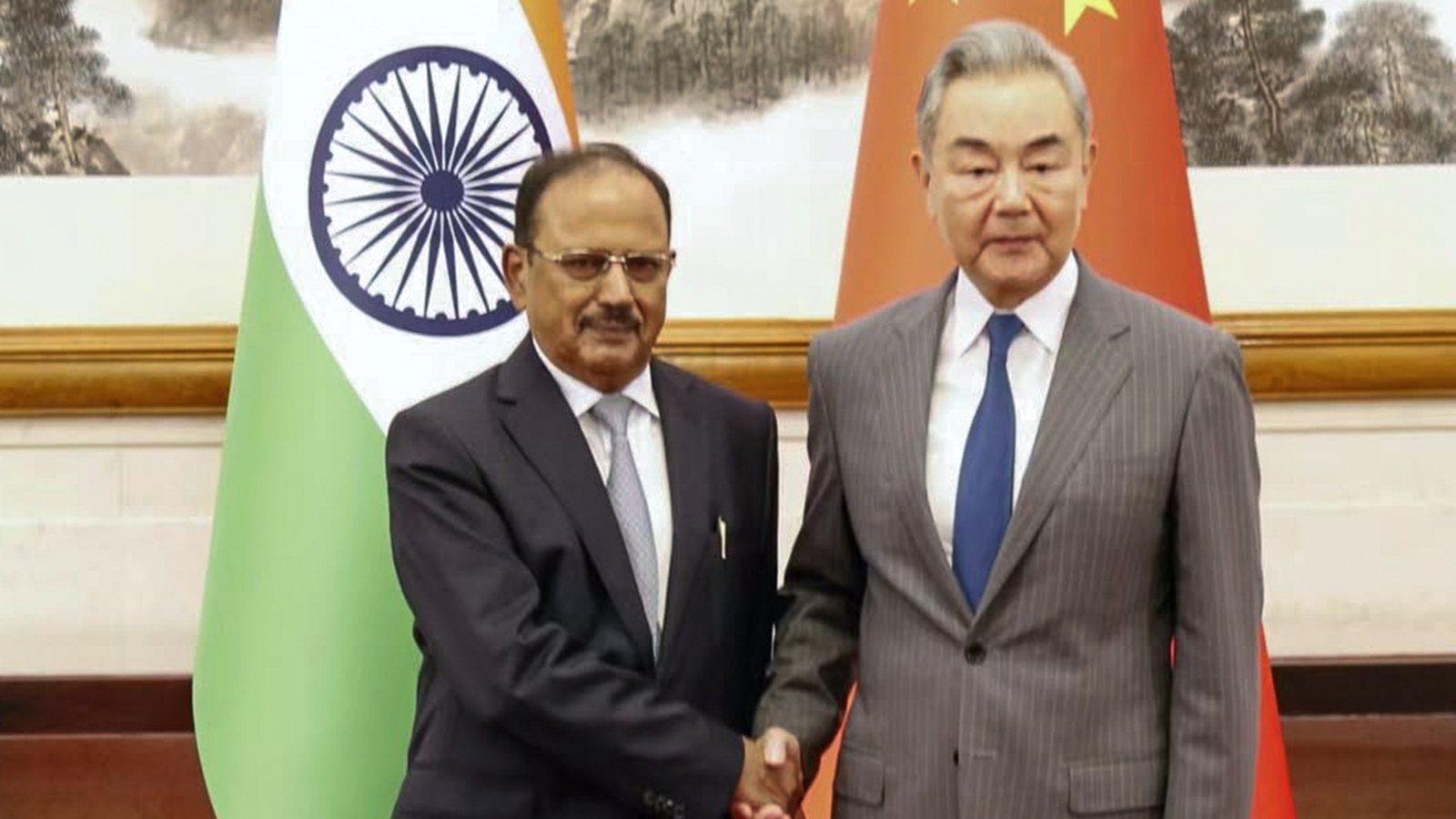
Indian official Ajit Doval went to Beijing to discuss this issue with Chinese officials.
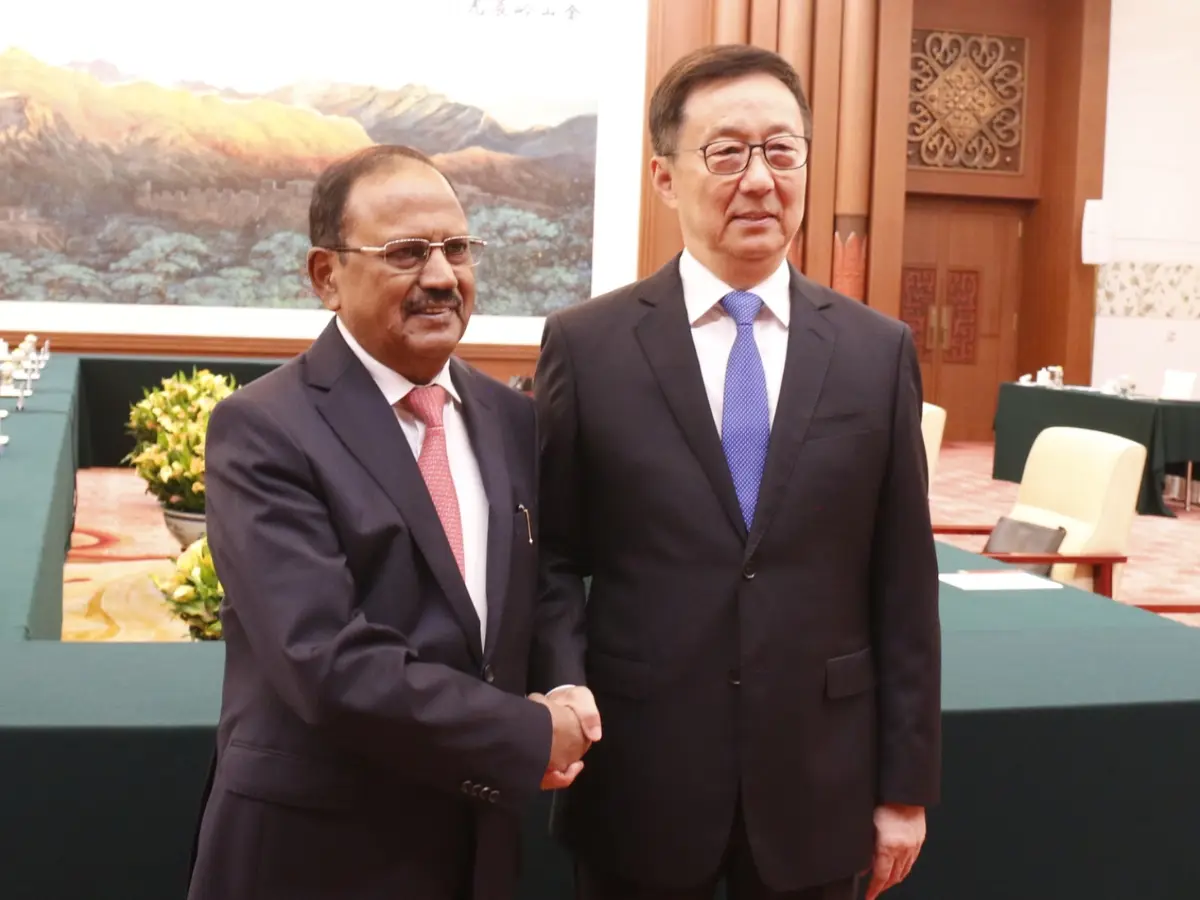
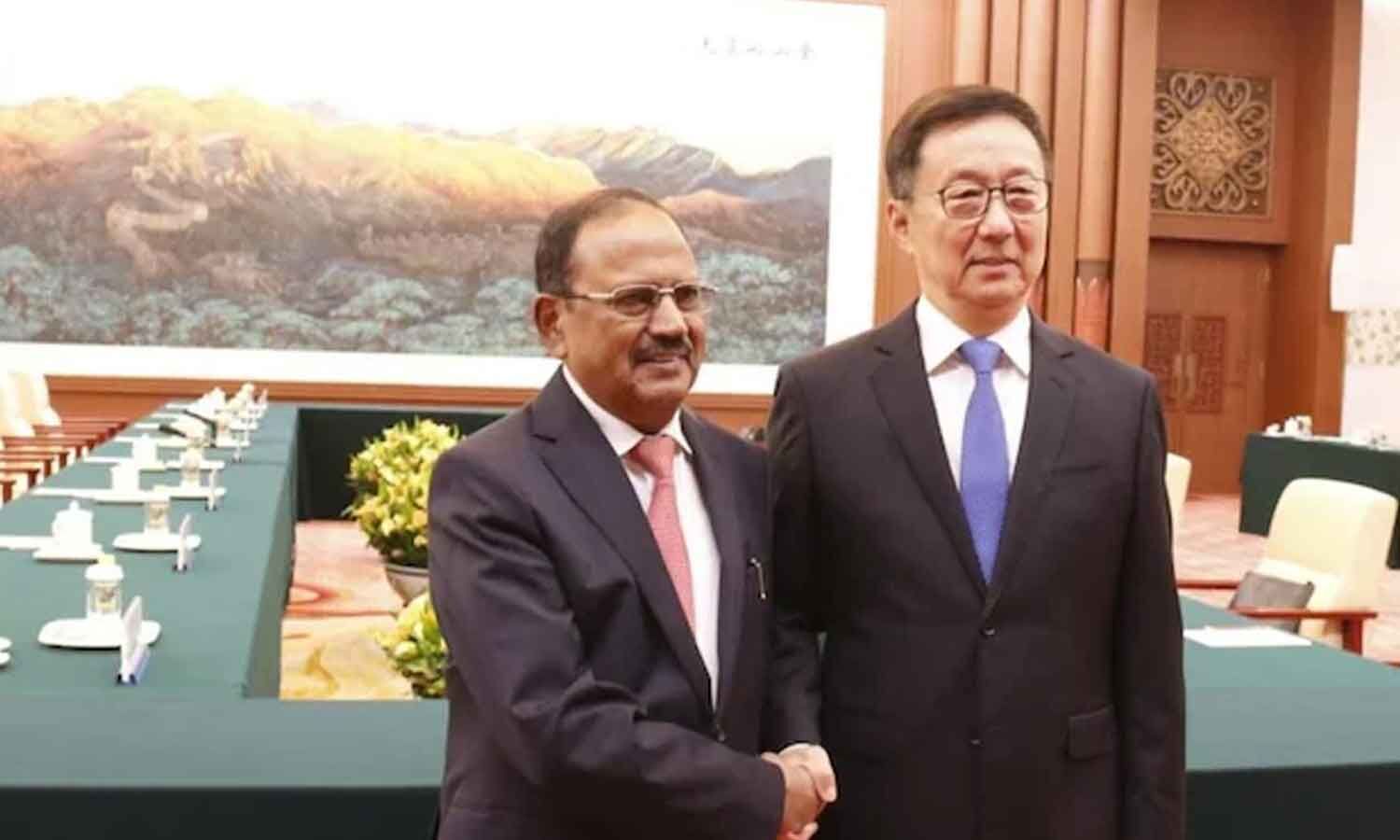
He first met Vice President Han Zheng.
They talked about keeping the border peaceful and improving cooperation between the two countries.
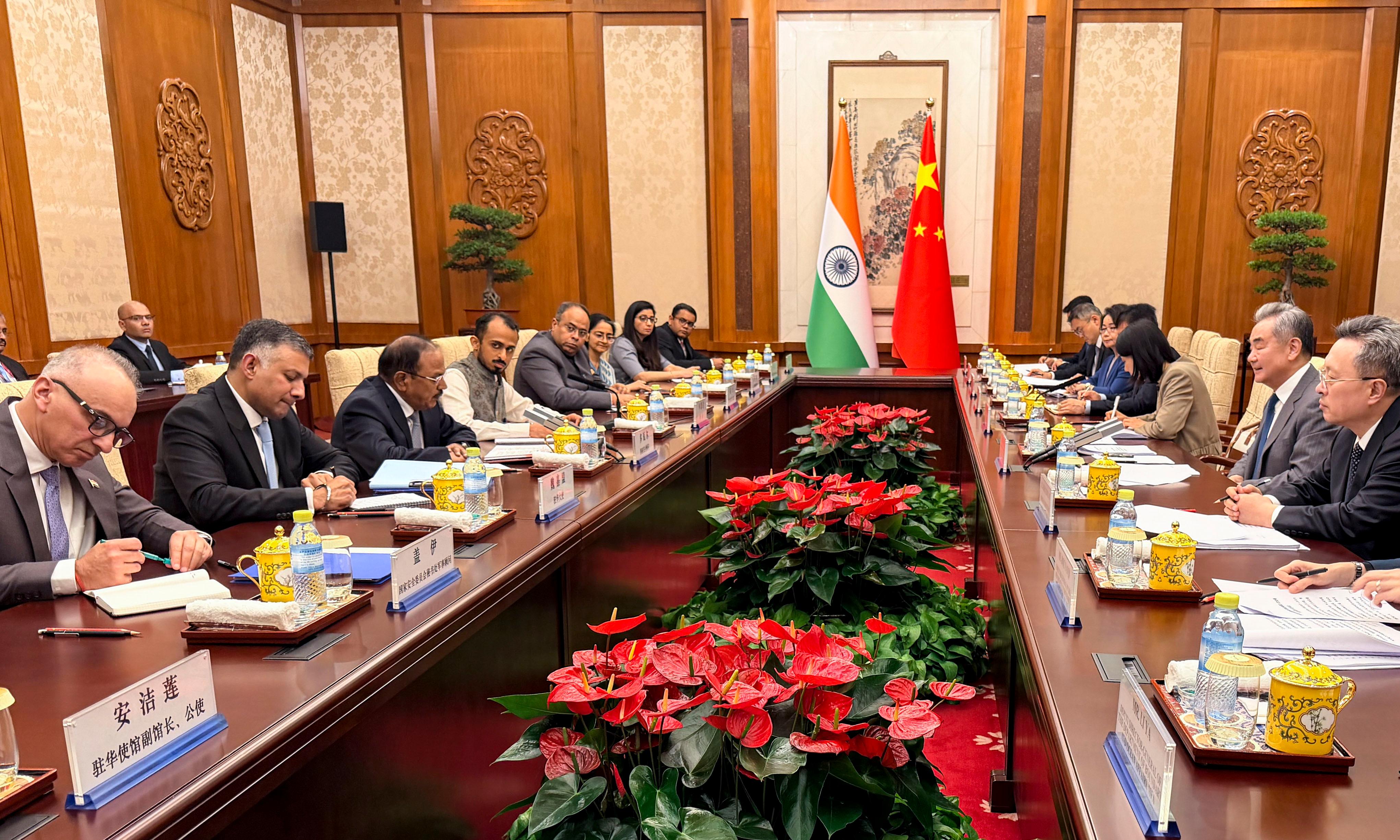
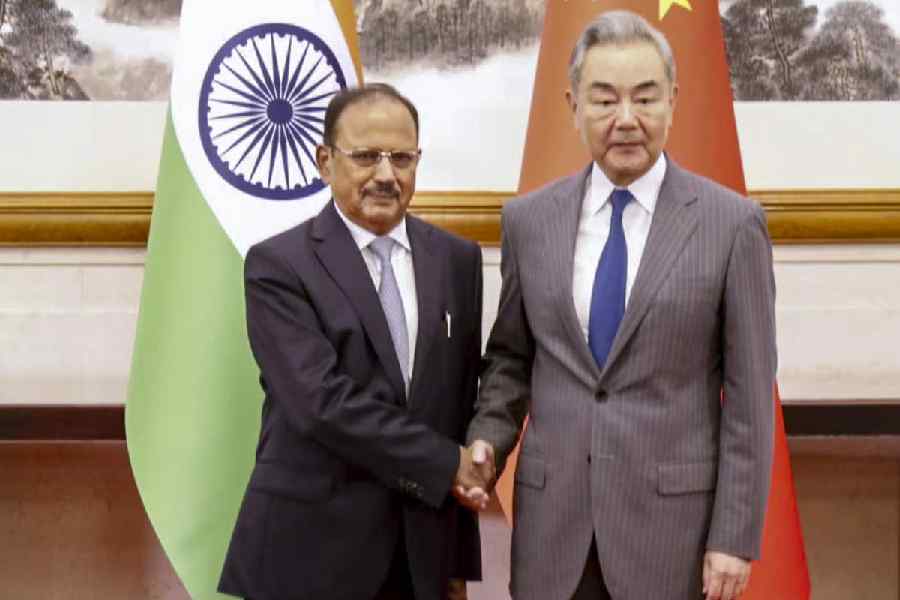
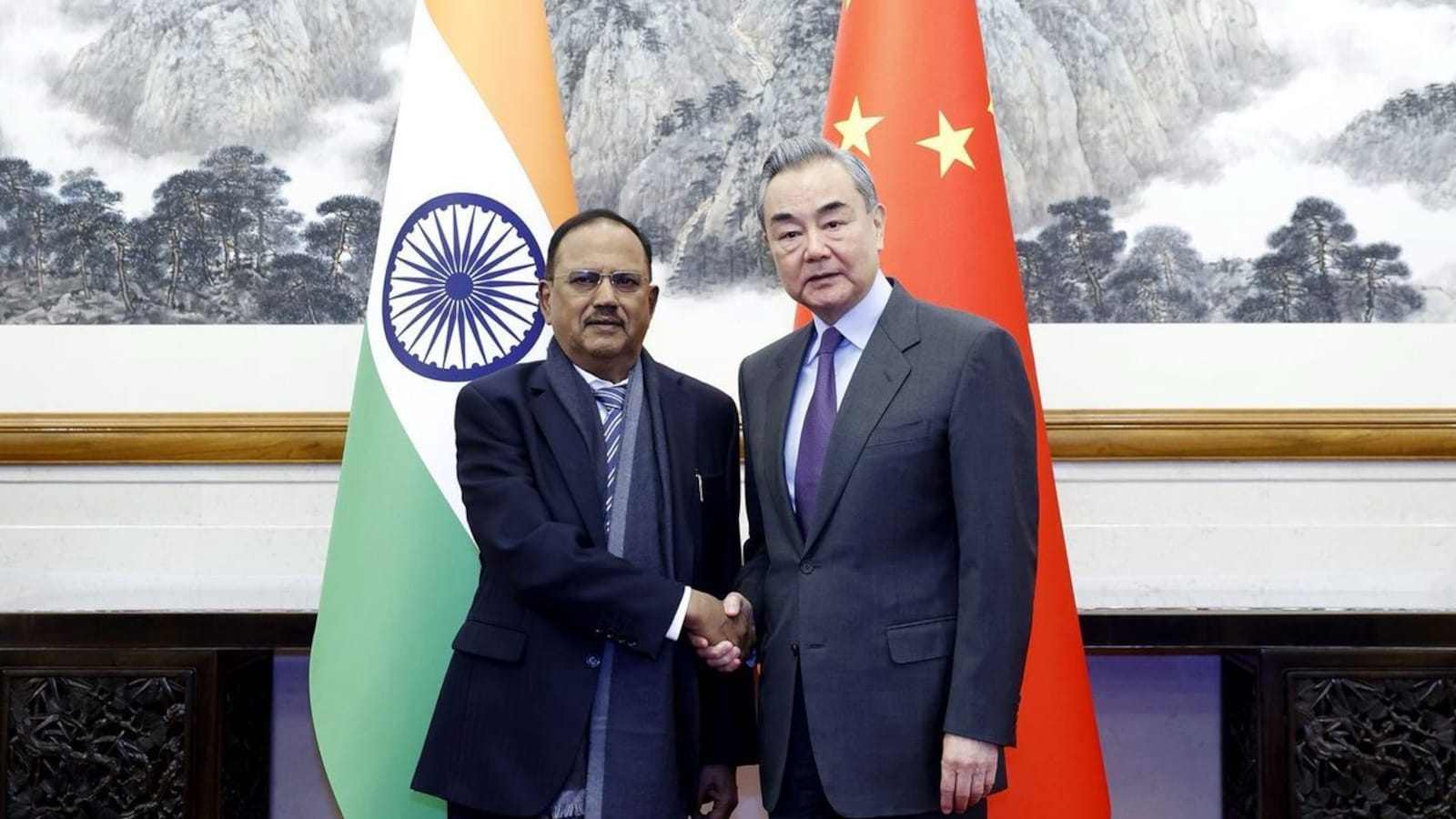
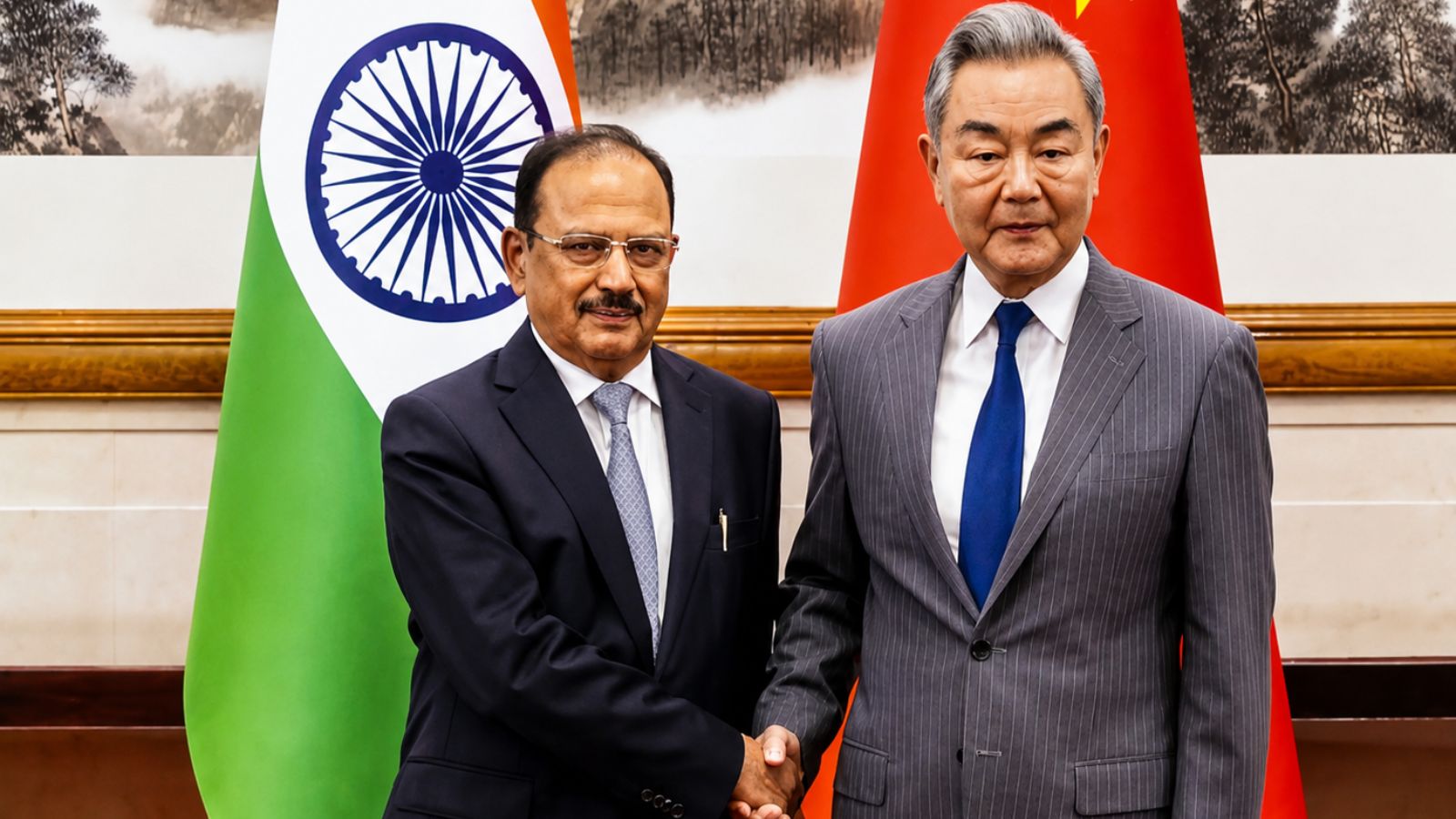
Doval then held formal boundary talks with Foreign Minister Wang Yi.
The discussions included drawing the border, managing troops and border areas, and expanding cooperation.
India said peace on the border is important for better relations.
China said the two countries should build trust and manage their differences through dialogue.
The meetings showed efforts to improve ties, but they did not solve the border dispute.

National Security Adviser Ajit Doval met Chinese Vice President Han Zheng in Beijing on August 25.
Doval and Han discussed peace and tranquillity along the border and stronger economic, political and multilateral ties.
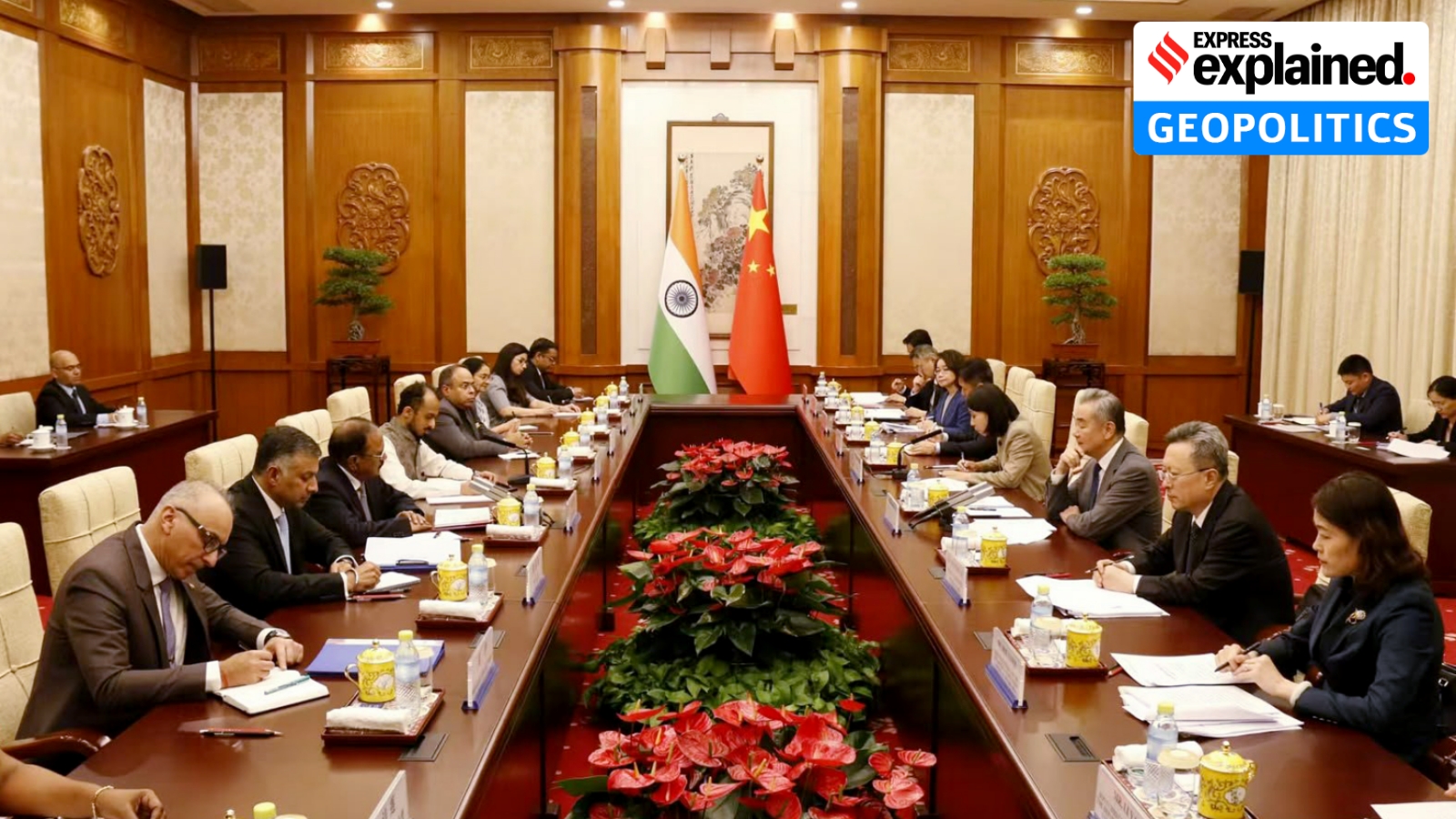
Doval and Chinese Foreign Minister Wang Yi held the 25th Special Representatives’ meeting on the boundary question.
The talks addressed boundary delimitation, border management, cooperation mechanisms, and regional and international issues.
Both sides linked improved bilateral relations to border stability, while disputes involving the boundary and Arunachal Pradesh remain unresolved.
- Who
- Indian National Security Adviser and Special Representative Ajit Doval; Chinese Vice President Han Zheng; and Chinese Foreign Minister and Special Representative Wang Yi.
- What
- Doval met Han Zheng and held the 25th Special Representatives’ talks with Wang Yi on the India-China boundary question.
- Where
- Beijing, China.
- When
- August 25, during Doval’s two-day visit to China.
- Why
- To maintain peace and tranquillity along the border, advance boundary discussions, and improve wider bilateral relations.
Diplomatic Recovery and Cooperation
Unresolved Border Differences
State of bilateral relations
Diplomatic Recovery and Cooperation
India described the discussions as constructive and forward-looking, while China said relations were returning to a track of recovery and improvement.
Unresolved Border Differences
The relationship remains affected by unresolved boundary disagreements, differences involving Arunachal Pradesh, and the legacy of the 2020 Galwan Valley clash and eastern Ladakh standoff.
Approach to the boundary question
Diplomatic Recovery and Cooperation
Both sides said they would continue dialogue to seek a fair, reasonable, and mutually acceptable political or comprehensive settlement.
Unresolved Border Differences
The talks have not resolved the boundary dispute, and India continues to stress the need to maintain peace and address outstanding border-management and de-escalation issues.
Border conditions
Diplomatic Recovery and Cooperation
Chinese statements described the overall border situation as peaceful and highlighted cooperation and improved communication.
Unresolved Border Differences
India emphasized that sustained peace and tranquillity in border areas are essential before broader bilateral relations can fully develop.
Key facts
- Main Indian official
- Ajit Doval, India’s National Security Adviser and Special Representative for the boundary question.
- Chinese representatives
- Han Zheng, China’s Vice President, and Wang Yi, China’s Foreign Minister and Special Representative.
- Meeting
- The 25th round of the Special Representatives’ talks on the India-China boundary question.
- Negotiation mechanism
- The Special Representatives mechanism was established in 2003 and is described by China as the main channel for boundary negotiations.
- Boundary length
- The reports describe the disputed India-China boundary as 3,488 kilometres long.
- Topics discussed
- Boundary delimitation, border management, peace and stability, cooperation mechanisms, cross-border cooperation, and regional and international issues.
- Next meeting
- China said the next Special Representatives’ meeting would be held in India next year.
Quotes

Ministry of External Affairs
India’s foreign ministry
“As neighboring major developing nations and key emerging economies, China and India should view and handle their relationship from a strategic and long-term perspective; jointly implement the important consensuses reached by their leaders; enhance strategic mutual trust; tap into cooperation potential; strengthen multilateral coordination; properly manage differences; and promote the sustained and stable development of China-India relations.”
 livemint.com
“Under the strategic guidance of Prime Minister Shri Narendra Modi and President Xi Jinping, and in a constructive and forward-looking spirit, the two Special Representatives had a candid and in-depth exchange of views on the India-China boundary question, and agreed to continue their work in seeking a political settlement of the boundary question in the context of their overall and long-term interests.”
 indianexpress.com
Sources

NSA Doval meets Chinese Vice President Han Zheng in Beijing ahead of scheduled meeting with Wang Yi: What we know
Doval, Wang Yi Hold ‘In-Depth’ Talks in Beijing to Fast-Track Border Resolution

Doval calls on Chinese Vice President Han Zhang ahead of border talks
Indian NSA Doval Ajit Doval meeting Chinese VP Han Zheng, discusses strengthening peace in border areas

Ajit Doval’s Beijing push: India, China seek border stability and deeper economic, political ties

India-China ties near normalcy? NSA Ajit Doval, Wang Yi hold key border talks ahead of BRICS summit
Ajit Doval, Wang Yi look to ‘make progress on boundary delimitation’
Related news
Doval Holds India-China Border Talks in Beijing Amid Thaw

India-China Talks Seek Border Progress Amid Calls for Peace
India-China Border Talks Seek Peace Amid Arunachal Tensions

Doval-Wang Beijing Talks Focus on Border Stability, BRICS
India-China Resume Border Talks, Seek Political Settlement
Doval and Wang Yi Advance India-China Border Talks
India-China Talks Consolidate Border Stabilisation, But Resolution Remains Distant
Doval Holds Beijing Talks as China Urges Long-Term Relations
Xi Jinping Expected in Delhi for BRICS Summit
