1 week ago
Supreme Court Seeks Responses on Demarcated Footpaths

The Supreme Court is asking states and Union territories about protecting footpaths.
It wants walking paths to be clearly marked and free from encroachments.
The court said walking is a fundamental right.
This means people should be able to walk safely and freely.
The court connected this right to the Constitution’s protections for movement and personal liberty.
It also said footpaths are an important part of this right.
Pedestrians’ rights should come before the movement of motor vehicles.
The states and Union territories are expected to respond to the court.

The Supreme Court sought responses from states and Union territories on keeping footpaths encroachment-free.
The court said the right to walk is a fundamental right under Part III of the Constitution.
It linked this right to freedom of movement under Article 19(1)(d).
The court said the right to walk includes access to demarcated footpaths.
It ruled that pedestrian rights should have priority over movement by motorised vehicles.
- Who
- The Supreme Court, along with states and Union territories.
- What
- The court sought responses on encroachment-free, clearly demarcated pedestrian paths.
- Where
- India.
- When
- Why
- The court said the right to walk is a fundamental constitutional right and that footpaths should receive priority over motorised traffic.
Key facts
- Court
- Supreme Court of India
- Issue
- Protection and demarcation of pedestrian footpaths
- Respondents
- States and Union territories
- Constitutional basis
- Part III, Article 19(1)(d), and Article 21 of the Constitution of India
- Related provisions
- The ruling also refers to Articles 19(1)(a), 19(1)(b), and 19(1)(c).
- Priority stated
- Pedestrian rights should have priority over movement by motorised vehicles.
Quotes

Supreme Court of India
India’s highest constitutional court
“The right to walk is a fundamental right under Part III of the Constitution.”
 timesnownews.com
Sources
Related news
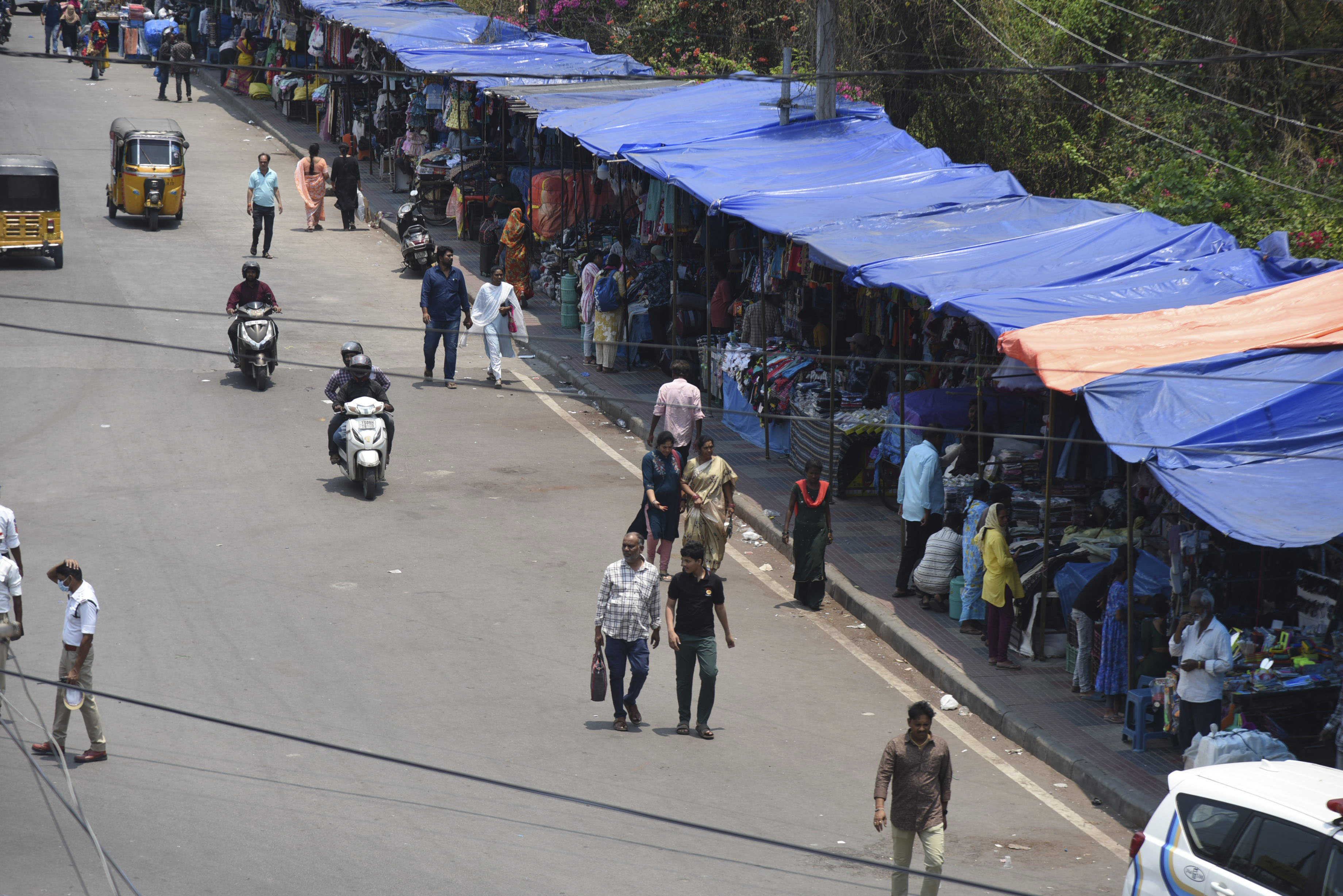
Supreme Court Seeks States’ Response on Footpath Rights

Lawyers Demand Jaipur Footpath Encroachments Removed by September 30
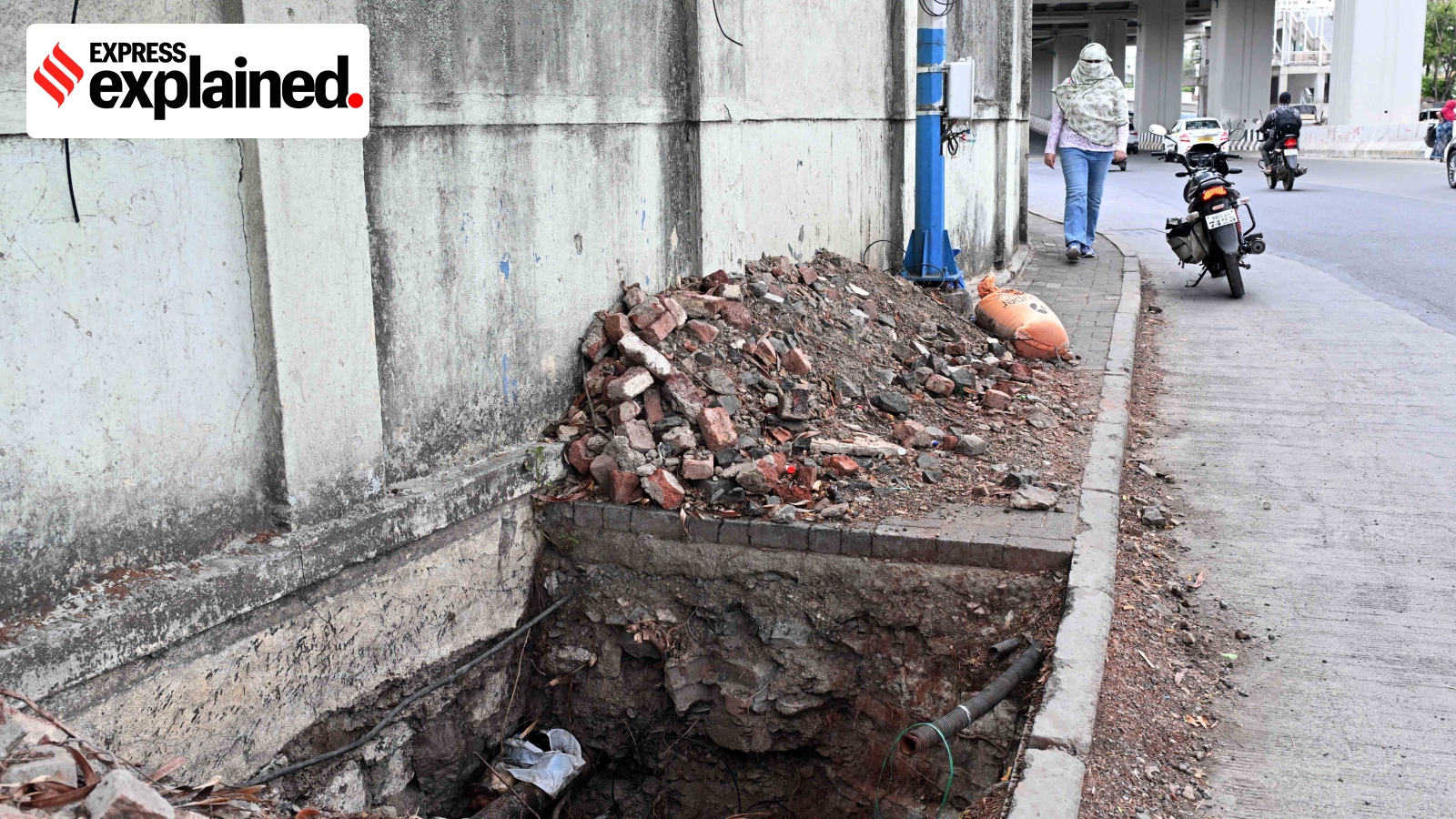
Andhra Pradesh's Pioneering Pedestrian Safety Policy Targets Safer Footpaths

Encroachment Removal Drives Fail to Reclaim Hyderabad's Footpaths
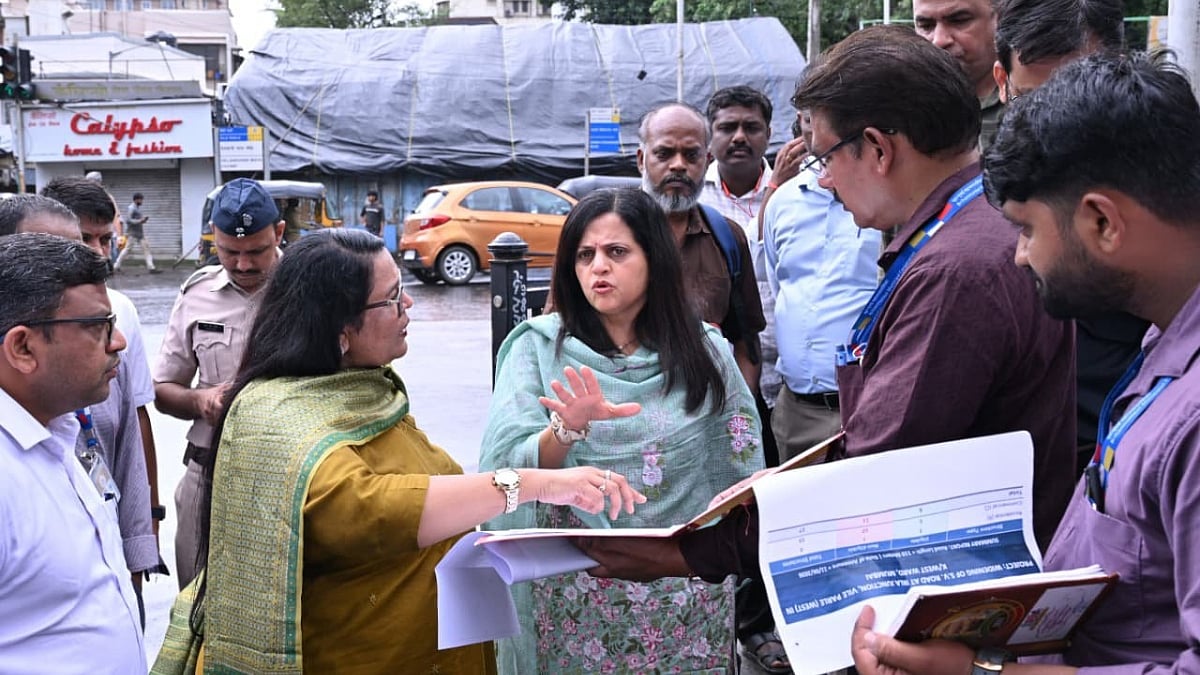
BMC Chief Orders Removal of Illegal Hawkers, Footpath Encroachments
PUCL Urges CJI Action Over Rajasthan High Court Allegations

Supreme Court Questions IPS Deputation for CAPF Leadership Positions

Supreme Court Quashes 20-Year Conviction, Reaffirms Juvenile Legal Protections
Two Years After RG Kar Doctor's Rape-Murder, Case Remains Unresolved

ED widens Chhattisgarh probes with two arrests and searches