2 weeks ago
Jal Jeevan Mission marks seven years of sustained water services

The Jal Jeevan Mission is a big project that brings clean tap water to villages in India.
It started on August 15, 2019, when Prime Minister Narendra Modi talked about it on Independence Day.
Now the mission is seven years old.
When it started, about 3.23 crore families in villages had tap water.
Today, more than 15.91 crore families have it - that is over 82 out of every 100 families.
The mission is now entering a new part called JJM 2.0, which makes sure the water keeps coming and stays clean to drink.
In this new part, villagers and local groups called gram panchayats will help take care of the water pipes and check the water quality.
Many women have learned how to test drinking water using small test kits.
Experts say clean water helps people stay healthy and saves women a lot of time they used to spend fetching water.

Rural tap-water coverage in India has crossed 82 per cent, rising from 3.23 crore households at the 2019 launch to more than 15.91 crore households.
Over 2.8 lakh villages and more than 1 lakh gram panchayats have been certified as 'Har Ghar Jal'.
JJM 2.0, approved by the Union Cabinet in March 2026 and extended until December 2028, emphasizes service delivery, maintenance, water quality and community ownership.
More than 24.80 lakh women have been trained to use Field Test Kits, and the mission runs 2,868 water-testing laboratories, including 1,704 NABL-accredited facilities.
The World Health Organization estimates the mission could save women 5.5 crore hours daily and prevent nearly 4 lakh deaths from diarrhoeal disease.
- Who
- Prime Minister Narendra Modi (launched the mission in 2019), the Jal Shakti Ministry (implementing agency), and gram panchayats, Village Water and Sanitation Committees and local communities (now leading operations).
- What
- The Jal Jeevan Mission completed seven years with rural tap-water coverage crossing 82 per cent; the new JJM 2.0 phase shifts focus to sustained and reliable water services.
- Where
- Rural India, implemented across states and Union Territories.
- When
- Around India's 80th Independence Day on Saturday, August 15; the mission was launched on August 15, 2019; JJM 2.0 was approved in March 2026 and extended until December 2028.
- Why
- To expand safe drinking-water access in rural India and ensure the infrastructure created delivers reliable, sustainable water services.
Key facts
- Mission launch
- August 15, 2019, by Prime Minister Narendra Modi
- Households with tap water
- From 3.23 crore at launch to over 15.91 crore
- Rural tap-water coverage
- Over 82 per cent
- 'Har Ghar Jal' certifications
- Over 2.8 lakh villages and over 1 lakh gram panchayats
- JJM 2.0 approval
- Union Cabinet, March 2026; extended until December 2028
- Funds released under JJM 2.0
- Rs 6,154.96 crore
- Women trained in water testing
- Over 24.80 lakh
- Water-testing laboratories
- 2,868, including 1,704 NABL-accredited
Sources
Related news

Centre Reimburses Rs 5,289 Crore To States Under JJM 2.0

IIT Kanpur Study Finds Rural Tap Water Improves Lives
Centre Urges States to Converge VB-G RAM G, JJM Funds
68,827 Amrit Sarovars Built or Rejuvenated Across India: Govt

Swachh Bharat Mission: 5.63 lakh villages get liquid waste management
West Bengal’s Youth Employability Crisis Threatens Its Demographic Advantage
AI Data Annotation Boom Creates Low-Paying Jobs in India
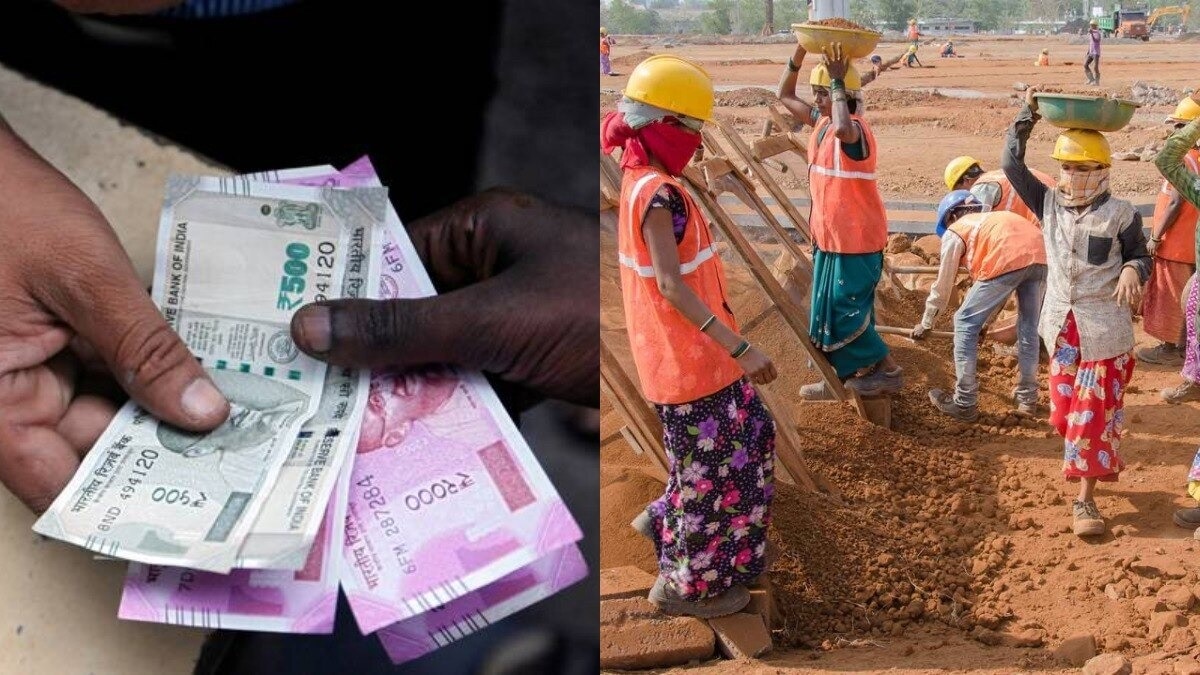
India’s Minimum Wage Trails China, US and Japan on PPP
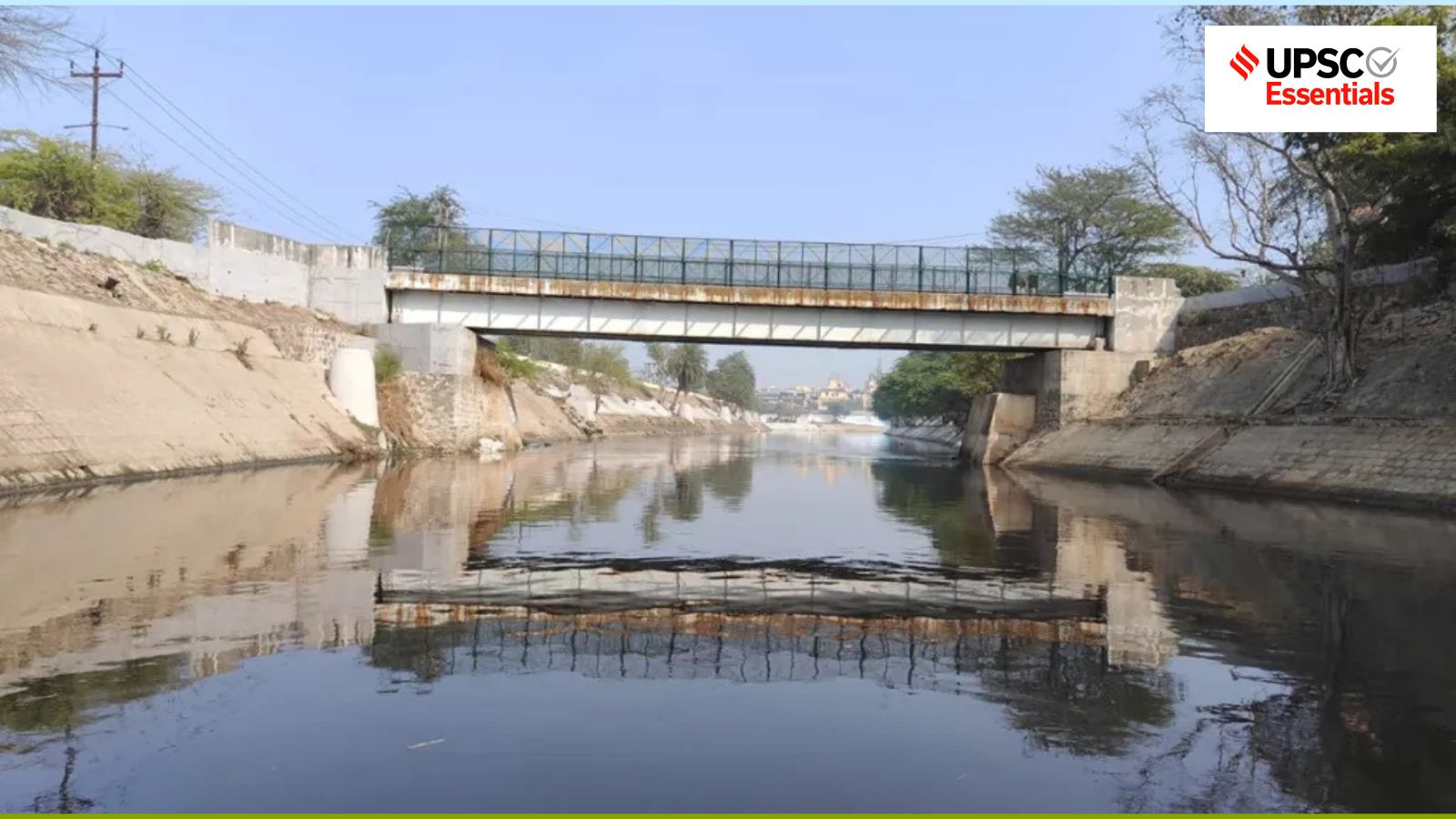
Why India Must Prioritize Rejuvenation of Its Small Rivers
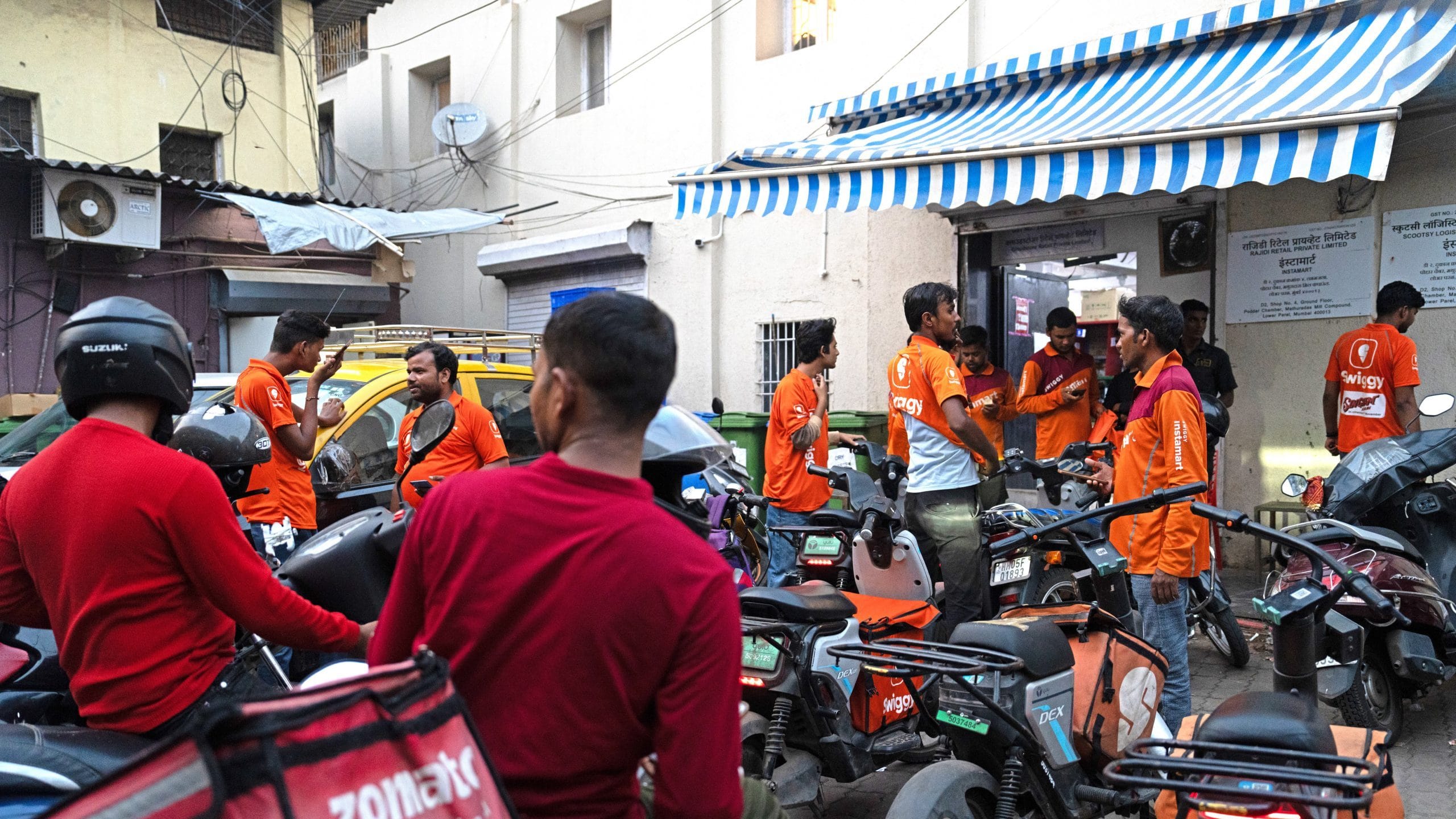
India’s Gig Economy Growth Leaves Women Behind, Study Finds