

2 weeks ago
India's Energy Productivity Key to Next Phase of Industrial Growth
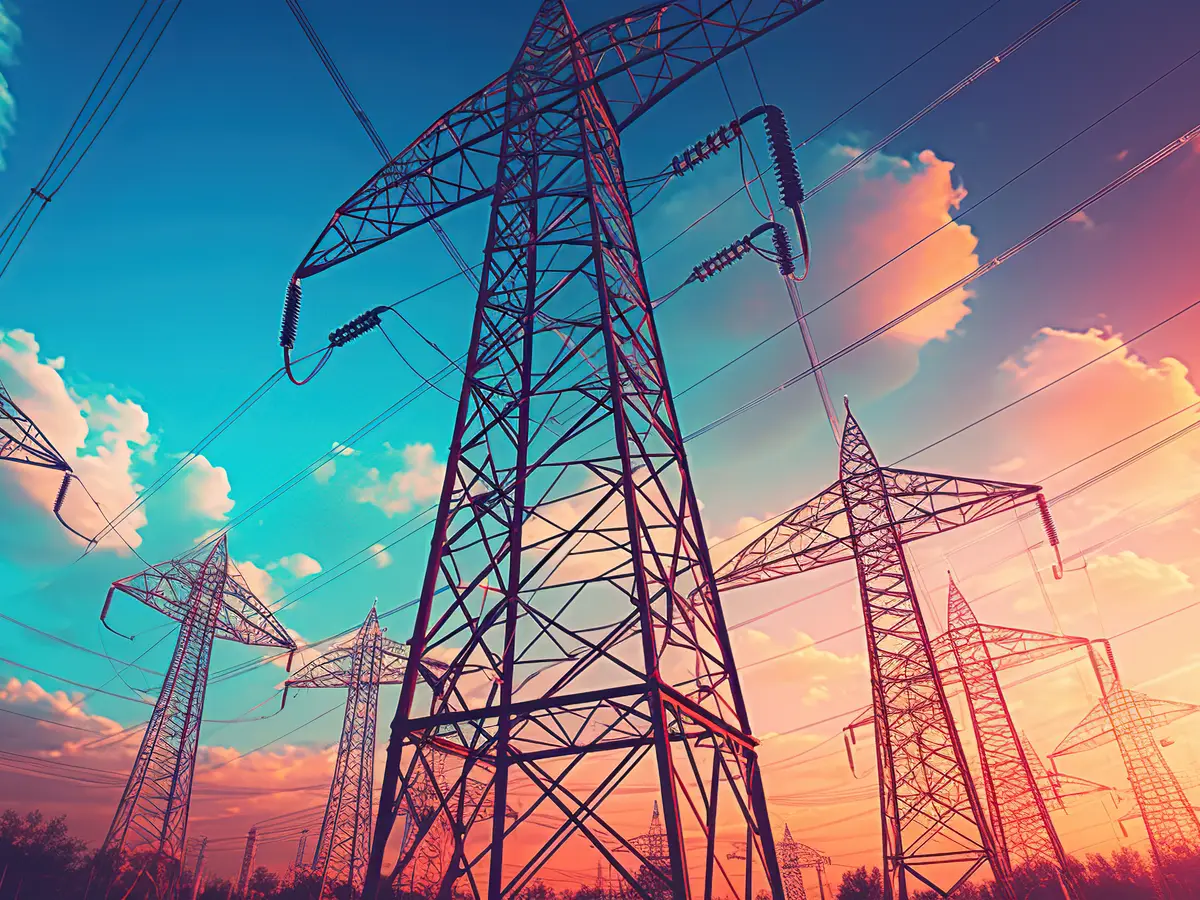
India needs a lot more electricity in the coming years.
The country's electricity use is expected to grow by about 6.4 percent every year until 2030.
Factories, electric cars, data centres and computers that use artificial intelligence will all need more power.
Companies that run the electricity system are working to make sure there is enough.
They also want to use energy in smarter ways, so less power is wasted.
The government has already helped power companies lose less electricity on the way to people's homes.
India also wants to build much more clean energy from the sun and wind.
Big batteries will help store that clean energy for when factories need it.
This way, factories can keep growing without using so much fossil fuel.
All of this helps India work towards its big goal of becoming a stronger, more developed country by 2047.

India's electricity demand is projected to grow about 6.4% annually through 2030, adding 570 TWh to annual consumption over five years.
Industry is expected to contribute nearly one-third of the additional electricity demand by 2030, driven by industrialisation, electric mobility, data centres and AI infrastructure.
The Revamped Distribution Sector Scheme brought AT&C losses to a historic low of 15.04% in FY25 and returned discoms to profitability for the first time in a decade.
India is building out nearly 300 GW of additional renewable capacity by 2030.
Industry leaders say generation, transmission, storage and grid management must evolve together, with battery energy storage central to a 24/7 clean energy system.
- Who
- Indian industry leaders, including Simarpreet Singh (Hartek Power), Ratul Puri (Hindustan Power), Udai Singh (Schneider Electric Infrastructure) and Akshay Hiranandani (Serentica Renewables)
- What
- A call to raise energy productivity so India's power sector can support the next phase of industrial growth
- Where
- India
- When
- Set against electricity demand projections through 2030 and the Viksit Bharat 2047 vision; FY25 data cited for distribution losses
- Why
- Because rising demand from industry, electric mobility, data centres and AI infrastructure requires more efficient and reliable power delivery
Key facts
- Projected electricity demand growth
- 6.4% annually through 2030
- Additional annual consumption by 2030
- 570 TWh over five years
- Industry share of new demand by 2030
- Nearly one-third
- AT&C losses (FY25)
- 15.04%, a historic low
- Additional renewable capacity planned by 2030
- Nearly 300 GW
- Key demand drivers
- Industrialisation, electric mobility, data centres, AI infrastructure
- Discoms
- Returned to profitability for the first time in a decade
- National vision
- Viksit Bharat 2047
Quotes
Akshay Hiranandani
CEO of Serentica Renewables
“"Battery energy storage will be central to this transition. Solar and wind can provide the scale of clean energy India needs, while storage can bridge the gap between generation and consumption, making renewable power available when industries need it."”
 wionews.com
“"Technology plays an important role here. Automation, smart metering and digital energy management systems allow industries to identify inefficiencies early and act before they translate into higher costs or production losses."”
wionews.com
Sources
Related news
India’s Power Demand Surges as Data Centres Expand Grid Needs
India’s Solar-Heavy Grid Needs Flexible Demand and Storage
India’s Power Sector Faces Rising Demand and Nuclear Constraints

Storage, Transmission Key for Next Phase of India's Energy Transition
NTPC Plans Rs 16.86 Lakh Crore Expansion Through 2032

India’s Data Centre Capacity Set to Triple by 2030

Hindustan Power Announces ₹1,135 Crore Solar Project Closure

Hettich Opens Exclusive Store in Coimbatore
Asian Institute of Medical Sciences Named Best Healthcare Brand 2025
Asian Institute of Medical Sciences Recognized as Best Workplace
