3 weeks ago
Can everyday plastics affect blood sugar? What experts say
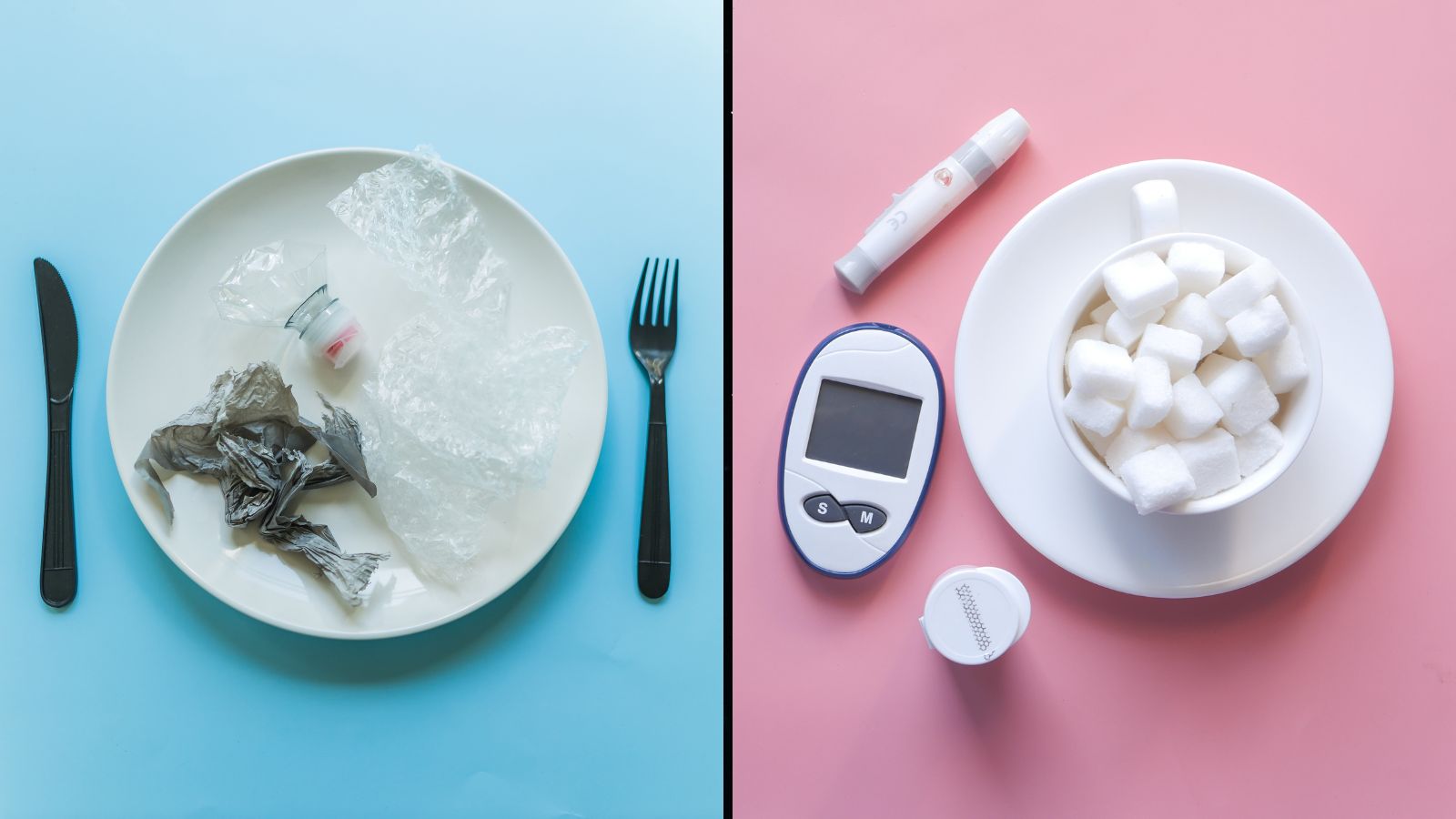
Some chemicals in plastic can mess with the way our bodies work, and scientists are studying whether they can affect blood sugar.
Blood sugar is how our bodies get energy from the food we eat.
When our bodies cannot handle blood sugar properly, it can lead to a sickness called diabetes.
Everyday things like food packaging, plastic containers, and non-stick pans can contain these chemicals.
The most studied chemical is called BPA, and it has the strongest link to diabetes in scientific studies.
Other chemical groups, called phthalates and PFAS, also show possible links, but the evidence is less certain.
Scientists say these chemicals are much less important than eating healthy food, exercising, and keeping a healthy weight.
People who are pregnant, very young children, and people with prediabetes may need to be most careful.
Choosing fresh foods and not heating food in plastic containers are simple ways to lower exposure.

Endocrine-disrupting chemicals such as BPA, phthalates and PFAS are found in food packaging, plastic containers, non-stick cookware, stain-resistant fabrics and drinking water.
Higher BPA exposure was linked to type 2 diabetes in a nine-year French study of 755 people, with pooled data suggesting roughly a 45% increase in risk.
A meta-analysis of more than 12,000 people tied phthalates to higher diabetes risk and insulin resistance, though the evidence was described as softer.
A 2025 Mount Sinai study found about a 31% higher diabetes risk as PFAS exposure rose, but other prospective studies disagree.
Experts recommend choosing fresh or frozen foods over packaged options and avoiding heating food in plastic containers to reduce exposure.
- Who
- Jeanne Riberio, Head Nutritionist and Diabetes Expert at Nutrition In Sync, and researchers behind studies of BPA, phthalates and PFAS.
- What
- A look at whether everyday endocrine-disrupting chemicals (EDCs) such as BPA, phthalates and PFAS may affect blood sugar regulation and type 2 diabetes risk.
- Where
- Reported by indianexpress.com; cited research was conducted in France and at Mount Sinai.
- When
- Publication date not stated in the article; cited evidence includes a nine-year French study and a 2025 Mount Sinai study.
- Why
- To assess whether long-term, low-level chemical exposure could play a supporting role in insulin resistance, impaired glucose metabolism and type 2 diabetes risk alongside genetics, diet, weight and physical activity.
Precautionary Concern
Evidence Still Evolving
PFAS and Diabetes Risk
Precautionary Concern
A 2025 Mount Sinai study found about a 31% higher diabetes risk as PFAS exposure rose.
Evidence Still Evolving
Other prospective studies disagree with the PFAS finding, and reverse causation may muddy cause and effect.
Strength of the EDC-Diabetes Link
Precautionary Concern
The concern is legitimate: pooled data suggest roughly a 45% higher type 2 diabetes risk with BPA, with phthalates showing a moderate signal.
Evidence Still Evolving
Causation, real-world exposure levels and who is most vulnerable remain unclear, and EDCs rank below diet, weight and inactivity as diabetes drivers.
Key facts
- Chemicals discussed
- BPA (bisphenol A), phthalates, PFAS (per- and polyfluoroalkyl substances)
- Common sources
- Food packaging, plastic containers, non-stick cookware, stain-resistant fabrics, drinking water
- BPA evidence
- Nine-year French study of 755 people; pooled data suggest roughly a 45% higher type 2 diabetes risk
- Phthalate evidence
- Meta-analysis of 12,000+ people tied to higher diabetes risk and insulin resistance
- PFAS evidence
- 2025 Mount Sinai study found about a 31% higher risk; other prospective studies disagree
- Most vulnerable groups
- Pregnant women, young children, people with prediabetes
- Expert's overall assessment
- Concern strongest for BPA, moderate for phthalates, mixed for PFAS; sits below diet, weight and inactivity as a driver
- Reduction advice
- Choose fresh or frozen foods over packaged or canned; avoid heating food in plastic; detox teas not shown to work
Quotes
Jeanne Riberio
Head Nutritionist and Diabetes Expert at Nutrition In Sync
“Research suggests that choosing fresh or frozen foods instead of heavily packaged or canned options and avoiding heating food in plastic containers are among the most effective ways to reduce BPA and phthalate exposure. Detox teas and supplements have not been shown to remove these chemicals, and “BPA‑free” plastics may still contain similar compounds.”
 indianexpress.com
“Clients ask this a lot, and it deserves an honest answer rather than a scary headline. The evidence points to a real association, but its strength depends on the chemical.”
indianexpress.com
Sources
Related news

How Gen Z students can manage blood sugar at college

Study: Women With Endometriosis Face 46% Higher Diabetes Risk
Why Indians in Their 20s Face Diabetes, Fatty Liver

Expert Says No Established Link Between Agarbatti and Diabetes
Endocrinologist Explains Link Between Diabetes and High Blood Pressure
Liver fat, not BMI, predicts diabetes risk in Asian Indians

Blood Filtration May Remove Forever Chemicals and Microplastics: Study