

1 hr ago
India Should Pursue Chips Strategically, Professor Says
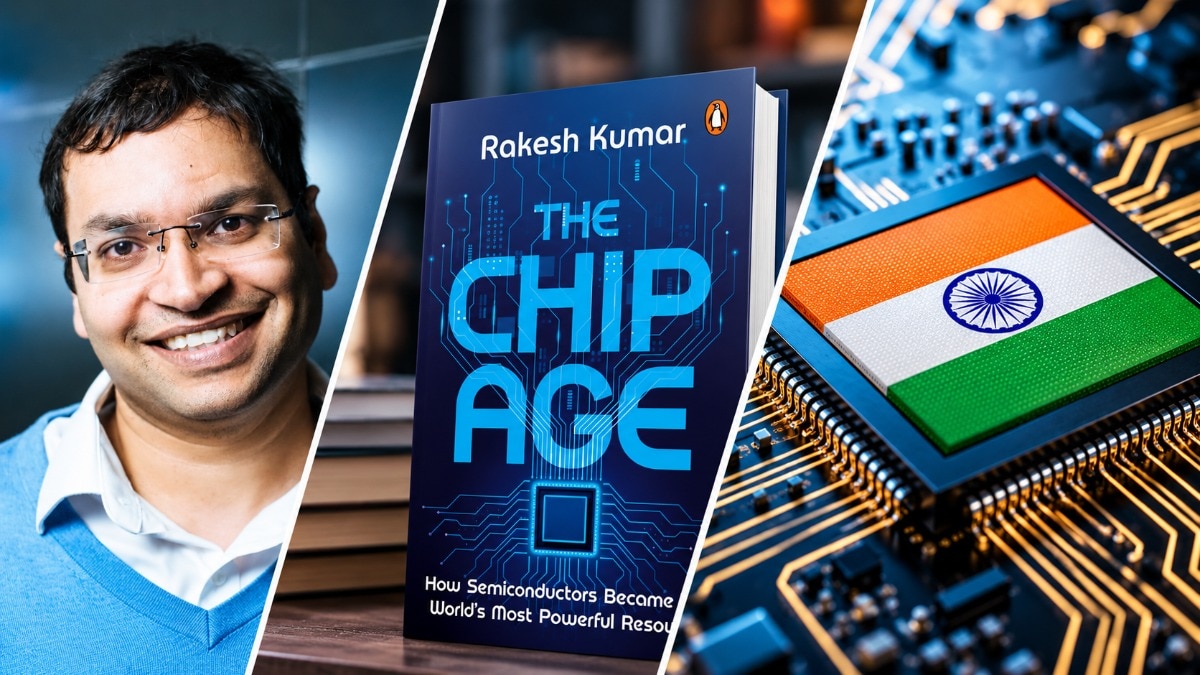
Chips are tiny parts that help many things work, from phones to planes.
India wants to become more involved in making them.
A professor says China shows that steady government support can help build a chip industry, but even big spending may not be enough to make the most advanced chips.
He thinks India should build on its strengths in chip design and learn more about putting chips together and testing them.
He also suggests starting with older types of chips that are used in many products.
India could make some chips itself and work with trusted countries to get others.
The professor says these plans need long-term support and should be judged by clear goals.
He also says the government should carefully compare the cost of subsidies with the benefits they bring.

A University of Illinois professor says China offers India both a model of sustained investment and a warning about the limits imposed by foreign technology controls.
He recommends strengthening chip design, preparing it for AI, and building expertise in assembly, testing, and packaging.
He advises India to prioritize legacy-chip manufacturing over advanced fabrication in the medium term, supported by sustained policy and local demand.
He says India can combine domestic capabilities with alliances or friend-shoring to improve access to chips for economic and national security.
He cautions that subsidies for foreign foundries should be weighed against their cost, local value added, employment, and security benefits.
- Who
- A professor at the University of Illinois discussed India's semiconductor ambitions in an interview with Business Today.
- What
- He outlined lessons from China's chip industry and recommendations for India's semiconductor strategy.
- Where
- The discussion concerns India and the global semiconductor supply chain.
- When
- The interview date is not stated in the article.
- Why
- India wants to expand its role in chips and secure access to supplies important to its economy and national security.
Case for Building Domestic Capacity
Cautions About Cost and Feasibility
Government subsidies
Case for Building Domestic Capacity
Supporters argue that chip industries are capital-intensive and that government backing is necessary to build domestic capabilities and improve supply security.
Cautions About Cost and Feasibility
Critics, including Raghuram Rajan as described in the interview, question spending public money on low-margin legacy chips; the professor says subsidies should be judged against their cost and the value India receives.
Domestic production versus foreign partnerships
Case for Building Domestic Capacity
Domestic chipmaking can help secure supplies for economic and national-security needs, including defence.
Cautions About Cost and Feasibility
The professor says India can also use friend-shoring and alliances, while noting that a foreign-owned factory in India alone does not guarantee secure access.
Advanced chip manufacturing
Case for Building Domestic Capacity
The professor says India can invest in capabilities for the long term, even if it takes time to become globally competitive.
Cautions About Cost and Feasibility
He warns that advanced manufacturing is especially challenging and that China's experience shows large investments may not overcome restrictions on access to foreign technology and equipment.
Key facts
- Interviewee
- A professor at the University of Illinois; his name is not provided in the article.
- Recommended priorities
- Strengthen chip design; build assembly, testing, and packaging capabilities; develop legacy-chip manufacturing.
- Advanced manufacturing
- The professor considers it particularly difficult for India to enter advanced chip manufacturing in the medium term.
- Long-term commitment
- He says semiconductor manufacturing requires sustained government support over decades.
- Supply security
- He proposes combining domestic capabilities with alliances and friend-shoring.
- Success benchmarks
- He suggests setting measurable targets, including a goal for domestic production of 28-nanometre chips by a specified year.
- China's lesson
- China's investment has strengthened its position across much of the supply chain, but the professor says export controls still constrain its access to advanced chips and equipment.
Quotes
Kumar
University of Illinois professor interviewed about semiconductor policy.
“India should strengthen its chip design ecosystem and make it AI-ready. It also needs to move to cutting-edge design and try to cultivate world-class fabless chip companies.”
 businesstoday.in
“If it decides to get into chip manufacturing, the only way is through massive and sustained state support over decades, even for legacy manufacturing.”
businesstoday.in
Sources
Related news

India's Semiconductor Push Reaches Export Markets Amid Expansion Plans
India Expands Semiconductor Mission to Build Chips and Talent
India’s semiconductor strategy must move beyond chip packaging
Vaishnaw Warns of Cyberattacks as India Expands Semiconductor Capabilities

India Defines Semiconductor Self-Reliance Through Trusted Global Partnerships

Modi Pitches India as Trusted Hub for Chip Manufacturing

Student IDs Unlock Discounts on AI, Streaming, Travel and Tech

Sonos, Samsung and Sony Soundbars Offer Different Premium Approaches

Seven 5G Phones to Watch in Amazon, Flipkart Festive Sales

Galaxy S27 Ultra Rumors Cover Design, Cameras and Specs
