1 hr ago
Pollution, Infection or Cold Air? Reading Winter Cough Symptoms
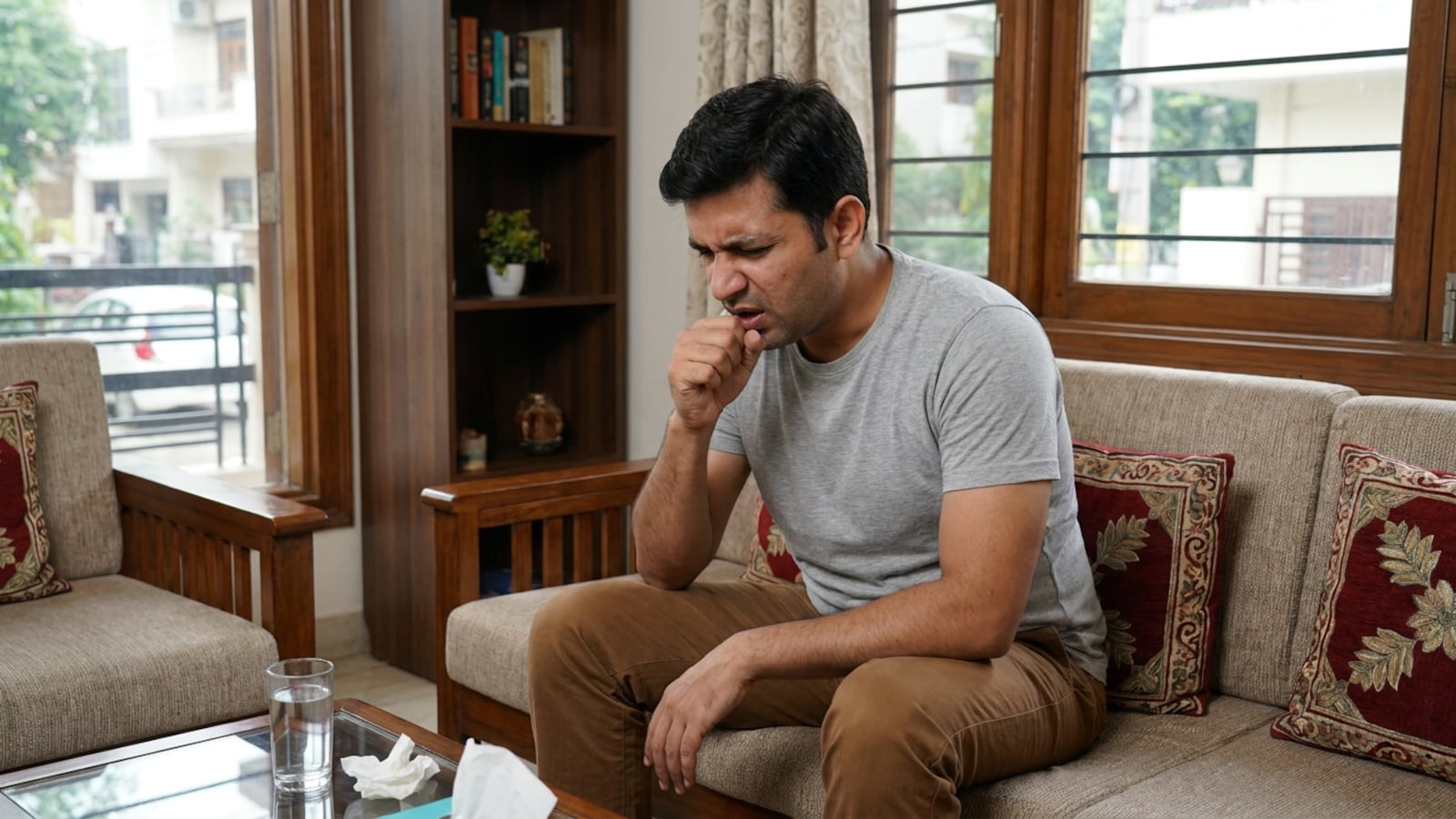
A winter cough can have several causes.
Dirty air and cold, dry air can irritate the breathing passages.
A cold or another infection can also cause coughing, and allergies may cause sneezing and itchy, watery eyes.
Coughing that gets worse outdoors may be linked to polluted air.
Fever and body aches can point toward an infection, but symptoms can overlap.
Green or yellow mucus does not automatically mean someone needs antibiotics.
People should not start antibiotics or other medicines without appropriate medical advice.
Trouble breathing or other serious symptoms should be checked by a medical professional.

Pollution, cold air, allergies and respiratory infections can cause overlapping winter symptoms.
Pollution-related irritation may worsen outdoors or near traffic and may ease in cleaner air.
Fever, chills, body aches and fatigue can suggest infection, but no single symptom proves the cause.
Mucus colour alone does not show whether an infection is bacterial or whether antibiotics are needed.
Severe or worsening breathlessness, chest pain, wheezing or coughing up blood requires prompt medical assessment.
- Who
- People experiencing winter cough or other respiratory symptoms; the article is by Dr Manisha Mendiratta, a pulmonologist.
- What
- An explanation of how pollution, infection, cold air, allergies and existing lung conditions can cause similar symptoms, and when to seek care.
- Where
- In winter conditions, particularly in cities with high air pollution.
- When
- As winter approaches and during the colder months.
- Why
- To help readers distinguish possible causes, avoid unnecessary antibiotics and seek medical care when symptoms are severe or persistent.
Key facts
- Possible causes
- Air pollution, respiratory infections, cold and dry air, allergies, and existing respiratory conditions.
- Pollution-linked clues
- Symptoms may worsen after outdoor exposure and improve in cleaner indoor air.
- Possible infection clues
- Fever, chills, marked fatigue, body aches, headache, sore throat or significant nasal congestion.
- Mucus and antibiotics
- Yellow or green mucus alone does not establish a bacterial infection or mean antibiotics are required.
- Urgent warning signs
- Persistent or worsening breathing difficulty, wheezing, chest pain, rapid breathing, coughing blood, bluish lips, confusion or a significant drop in oxygen saturation.
- Reducing exposure
- Limit prolonged outdoor exertion during poor air quality and use a properly fitted high-filtration mask when outdoor travel is unavoidable.
- Article author
- Dr Manisha Mendiratta, Director and Head of Pulmonology, Sarvodaya Hospital, Sector-8, Faridabad.
Sources
Related news

Delhi Pollution Season Calls for Safer Outdoor Exercise Choices

Western Disturbances May Forecast North India’s Winter Pollution
Chennai Fever Cases Rise: When to Seek Dengue Care

World Lung Day 2026: Home Checks Can Reveal Warning Signs
Delhi Air Quality Moderate as Several Areas Record Poor Levels

Doctors Explain Who Needs Lung Function and Tuberculosis Screening

Delhi Police Bust Alleged Forged Disability Certificate Racket; Nine Held

Congress Women Leaders Slap Each Other During Faridabad Protest Rally

Faridabad Police Arrest Alleged Cyber Gangmaster in APK Fraud

How to Strengthen Your Neck for Screen-Filled Days