1 hr ago
Delhi Pollution Season Calls for Safer Outdoor Exercise Choices

Exercise is good for your body, but dirty air can make outdoor workouts riskier.
When you exercise, you breathe faster and take in more air.
That can mean breathing in more pollution, including tiny particles that can get deep into your lungs.
People with asthma or heart and lung problems should be especially careful.
Children and older adults may also be more affected.
Check the AQI before exercising outside, because air quality can change from day to day.
If pollution is high, try exercising indoors or doing something gentler.
Stop if you feel unusual breathing trouble, chest pain, dizziness or persistent coughing.
The advice is to keep moving while choosing a safer time, place or type of exercise.

Exercise raises breathing rate, potentially increasing the amount of pollution inhaled outdoors.
Fine particles such as PM2.5 can reach deep into the lungs and irritate airways.
People with heart or lung conditions, children and older adults may need extra caution.
Doctors advise checking current AQI and avoiding strenuous outdoor workouts when pollution is high or severe.
Indoor exercise, cleaner locations and gentler activity can help people stay active while reducing exposure.
- Who
- People exercising outdoors in Delhi, especially those with heart or respiratory conditions, children and older adults.
- What
- Guidance on reducing pollution exposure while maintaining physical activity.
- Where
- Delhi; outdoor locations near busy roads, construction sites or industrial areas may involve greater exposure.
- When
- During Delhi's pollution season, with decisions based on the current AQI.
- Why
- Exercise increases breathing, which can increase inhalation of pollutants that may irritate the lungs and stress the cardiovascular system.
Maintain Outdoor Exercise
Reduce Pollution Exposure
Whether to continue exercising
Maintain Outdoor Exercise
Regular physical activity remains important, and outdoor exercise can continue on cleaner-air days.
Reduce Pollution Exposure
During high or severe pollution, strenuous outdoor workouts may increase pollutant exposure and should be avoided or moved indoors.
Using a mask during workouts
Maintain Outdoor Exercise
A properly fitted particulate-filtering mask can reduce exposure to certain airborne particles when worn correctly.
Reduce Pollution Exposure
A mask should not be treated as permission for strenuous outdoor exercise during severe pollution, and it may be uncomfortable during intense activity.
Key facts
- Key pollutant discussed
- PM2.5, fine particulate matter that can penetrate deep into the lungs.
- Check before exercising
- Consult current Air Quality Index (AQI) information rather than relying on a fixed schedule.
- When pollution is high or severe
- Avoid strenuous outdoor exercise or move the workout indoors.
- Lower-exposure outdoor choice
- Choose a relatively green, low-traffic area away from major roads when conditions allow.
- Possible warning signs
- Unusual breathlessness, wheezing, chest pain, dizziness, palpitations or persistent coughing.
- Mask limitation
- A properly fitted particulate-filtering mask may reduce exposure to some particles, but is not a reason to do strenuous exercise in severe pollution.
- Article author
- Dr Abhijeet Singh, Associate Director and Unit Head, Pulmonology, ShardaCare - Healthcity.
Sources
Related news

Delhi AQI Reaches 83-Day High, Near Upper Moderate Range

CAQM Advises Delhi-NCR States to Avoid Winter School Sports
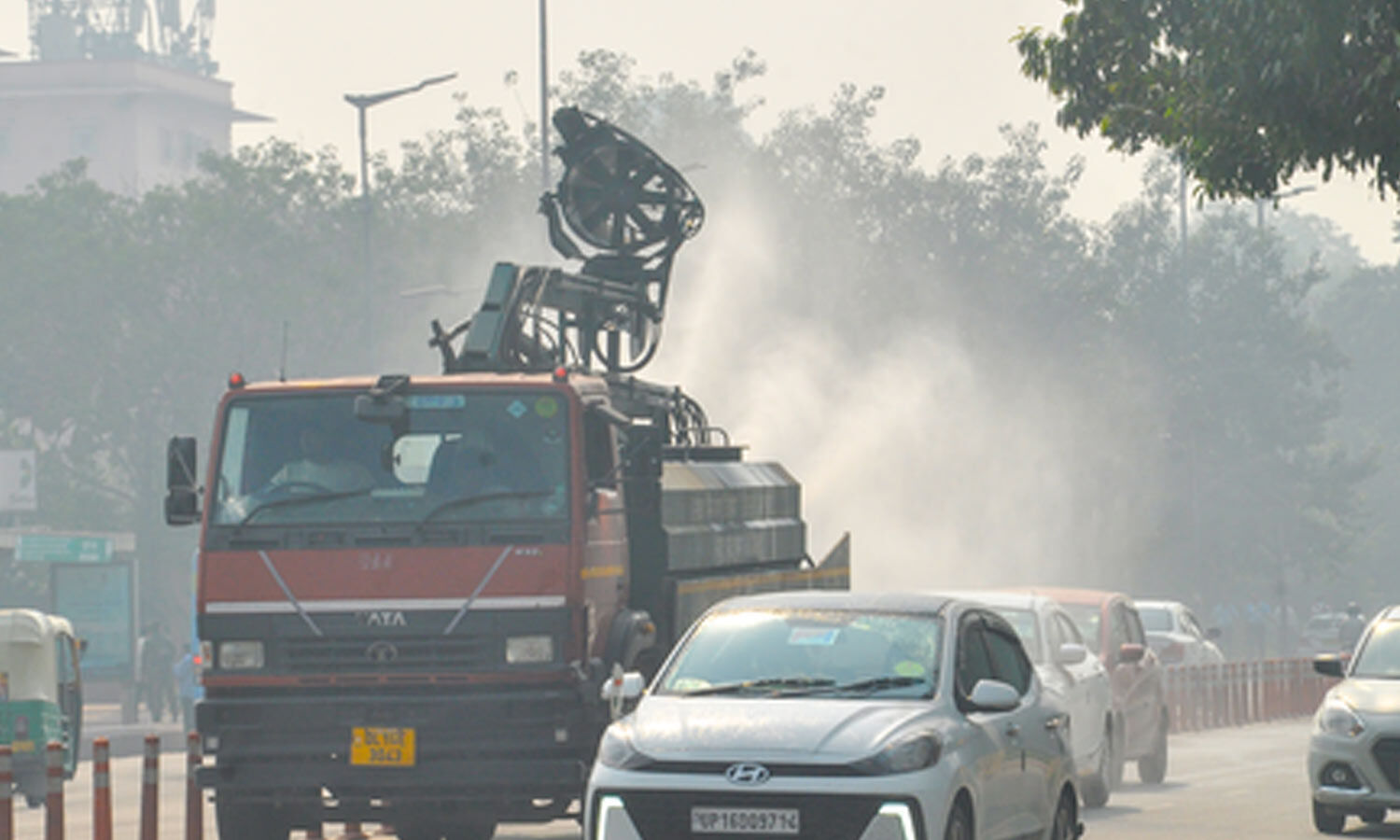
Delhi Air Quality Moderate as Several Areas Record Poor Levels
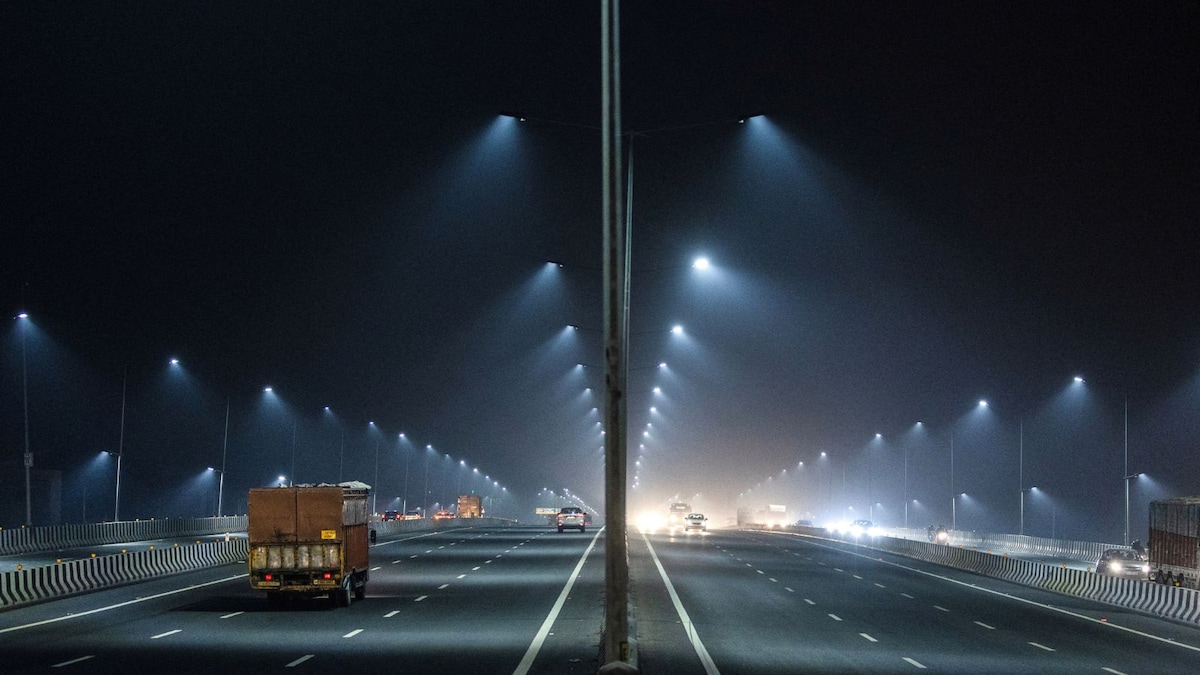
Delhi Begins October With Highest Pollution in Four Years

Air Pollution Prompts Call to Postpone Delhi Sporting Events

Delhi Sees Moderate Air Quality as Temperatures Stay Above Normal

Delhi Residential Building Collapses in New Seemapuri, No Casualties Reported

Multi-Storey Building Collapses in New Seemapuri, Rescue Underway

Brookfield to Buy ESR India’s Industrial Logistics Portfolio
Court Takes Cognisance of CBI Bribery Case Against NDMC Officials