

3 days ago
PM SETU Roadmap Seeks Job-Ready Youth Across Indian States
Many young people in India need better training to get good jobs.
Industrial Training Institutes, or ITIs, provide this kind of training.
However, many ITIs have old equipment, too few teachers and courses that do not match employers’ needs.
The government launched PM SETU in October 2025 to improve 1,000 government ITIs.
The plan will use 200 main centres called hubs and 800 linked centres called spokes.
It aims to train at least two million young people in five years.
West Bengal will include 51 state-run ITIs in the programme.
The plan could help young people find jobs, but it will work only if industries, governments and training providers properly deliver the promised improvements.

India’s 18-29 age group accounts for 27% of the population, but many young people need vocational skills for employment.
The country has about 15,000 Industrial Training Institutes, 78% of them privately operated, but many face outdated facilities, vacant seats and weak industry links.
Launched in October 2025, PM SETU will invest Rs 60,000 crore to upgrade 1,000 government ITIs through 200 hubs and 800 spokes.
The scheme aims to train at least two million young people in contemporary, industry-aligned skills over five years.
West Bengal’s 51 participating state-run ITIs will comprise 11 hubs and 40 spokes, although private-partner selection has not yet begun.
- Who
- The Government of India, state governments, private partners, industries, training providers and young people aged 18-29.
- What
- The PM SETU scheme will upgrade 1,000 government ITIs and provide industry-aligned vocational training.
- Where
- Across India, including 51 state-run ITIs in West Bengal.
- When
- The scheme was launched in October 2025 and is planned to operate over five years.
- Why
- To address the gap between ITI training and the skills needed for manufacturing and services employment.
Potential benefits
Implementation concerns
Industry alignment
Potential benefits
Industry participation and customised courses could give students skills that match actual jobs and reduce employers’ post-recruitment training costs.
Implementation concerns
The existing disconnect between ITI curricula and industry needs could continue if industries do not meaningfully participate in course design and cluster operations.
Private participation
Potential benefits
Private partners could provide investment, operational management and stronger links to industrial belts under the hub-and-spoke model.
Implementation concerns
Not-for-profit skill-development organisations may find it difficult to finance upgrades and operations because SPVs cannot distribute profits or dividends.
Accountability
Potential benefits
Greater autonomy, strategic investment plans and outcome-based accountability could improve ITI governance and training quality.
Implementation concerns
West Bengal needs safeguards, monitoring and reporting to ensure promised investments, staffing, curricula, teaching methods and training outcomes are delivered.
Key facts
- Target group
- India’s 18-29 age group, which represents 27% of the population
- Existing ITIs
- About 15,000 Industrial Training Institutes, with 78% privately operated
- Scheme
- Pradhan Mantri Skilling and Employability Transformation through Upgraded ITIs
- Investment
- Rs 60,000 crore
- Coverage
- 1,000 government ITIs through 200 hubs and 800 spokes
- Training target
- At least two million young people over five years
- West Bengal coverage
- 51 state-operated ITIs, consisting of 11 hubs and 40 spokes
Sources
Related news

PM-SETU Industry Partnerships Aim to Connect Training With Jobs
PM-SETU Approves Rs 735.70 Crore for Three ITI Clusters

Tamil Nadu to introduce AI, ML courses across 50 ITIs
Maharashtra Plans AI Skilling and Centralized Placements for Students
Maruti Suzuki Plans Upgrade of 31 ITIs to JIM Standards
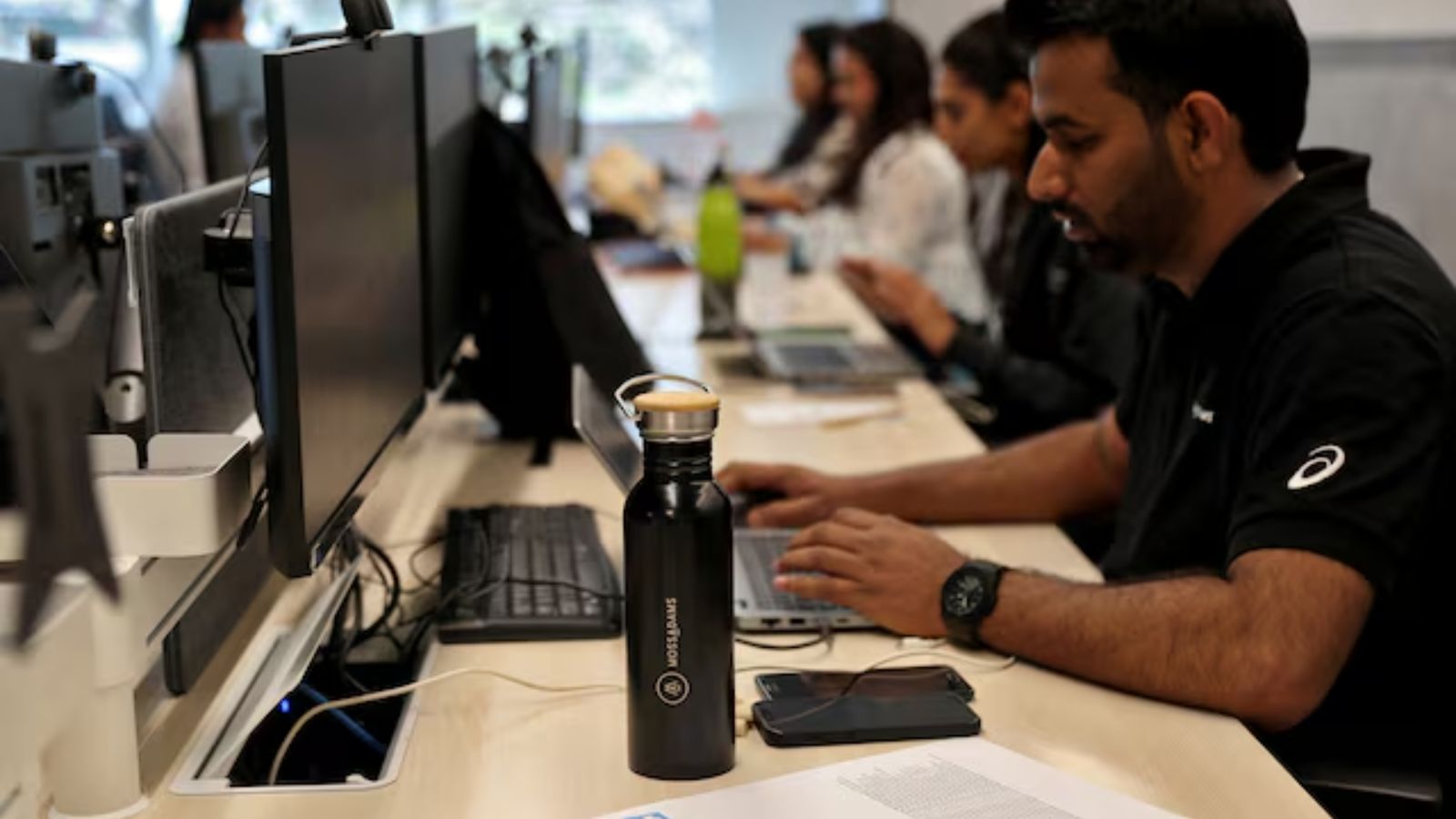
India’s District Data Shows Youth Disconnection From Jobs, Skills
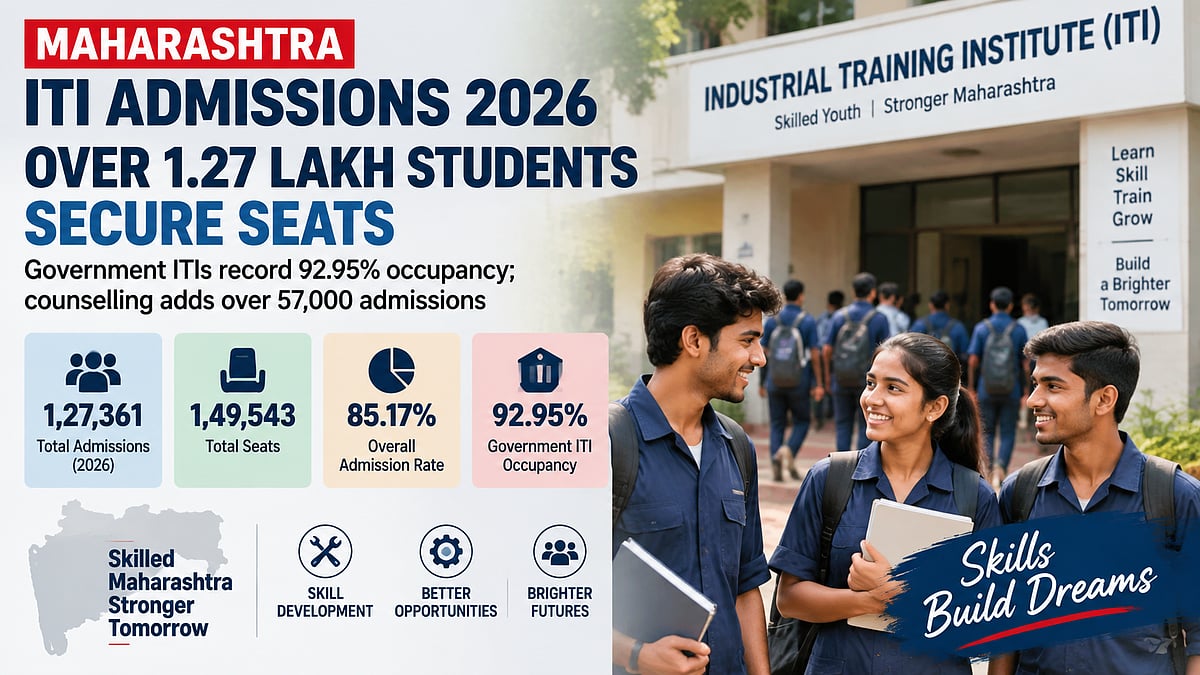
Maharashtra ITI Admissions Top 1.27 Lakh, Government Seats 93% Filled

IIFSE Group Director Srinu Mahanti Receives Asia Pride Award-2026

Madhya Pradesh CM Mohan Yadav declares 2027 'Year of Youth'
