

4 hrs ago
Iran’s Hormuz Leverage Weakens, but Disruption Risks Remain

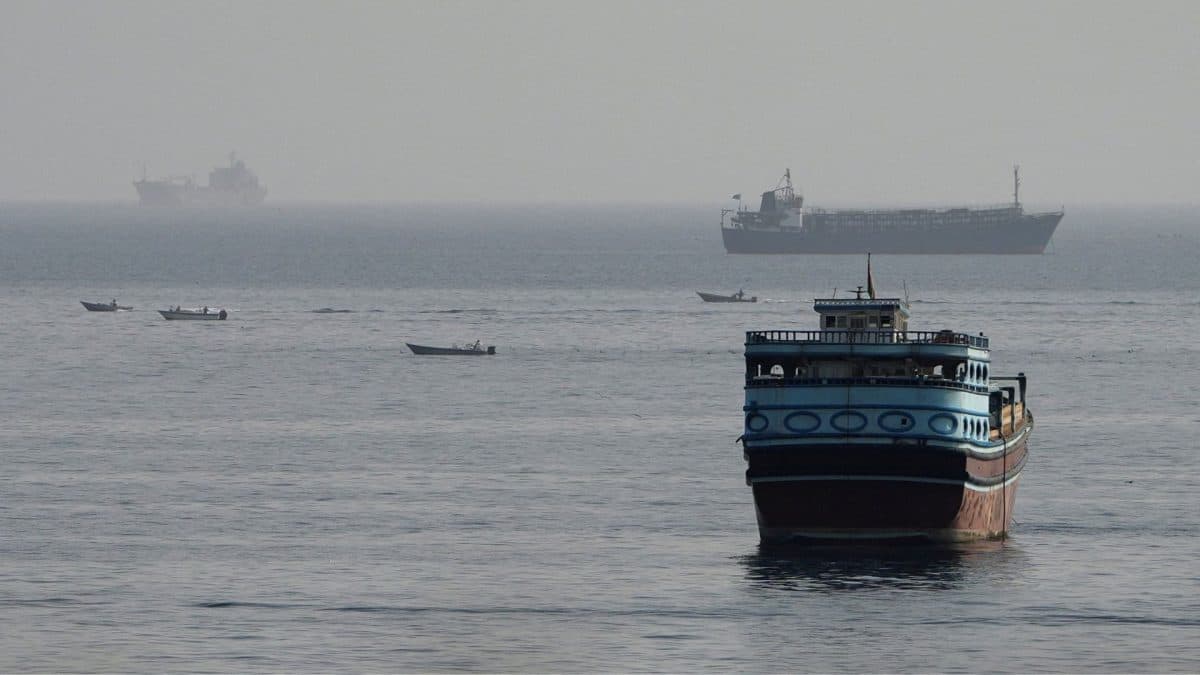
Iran has used the Strait of Hormuz to make shipping feel risky during its conflict with the United States.
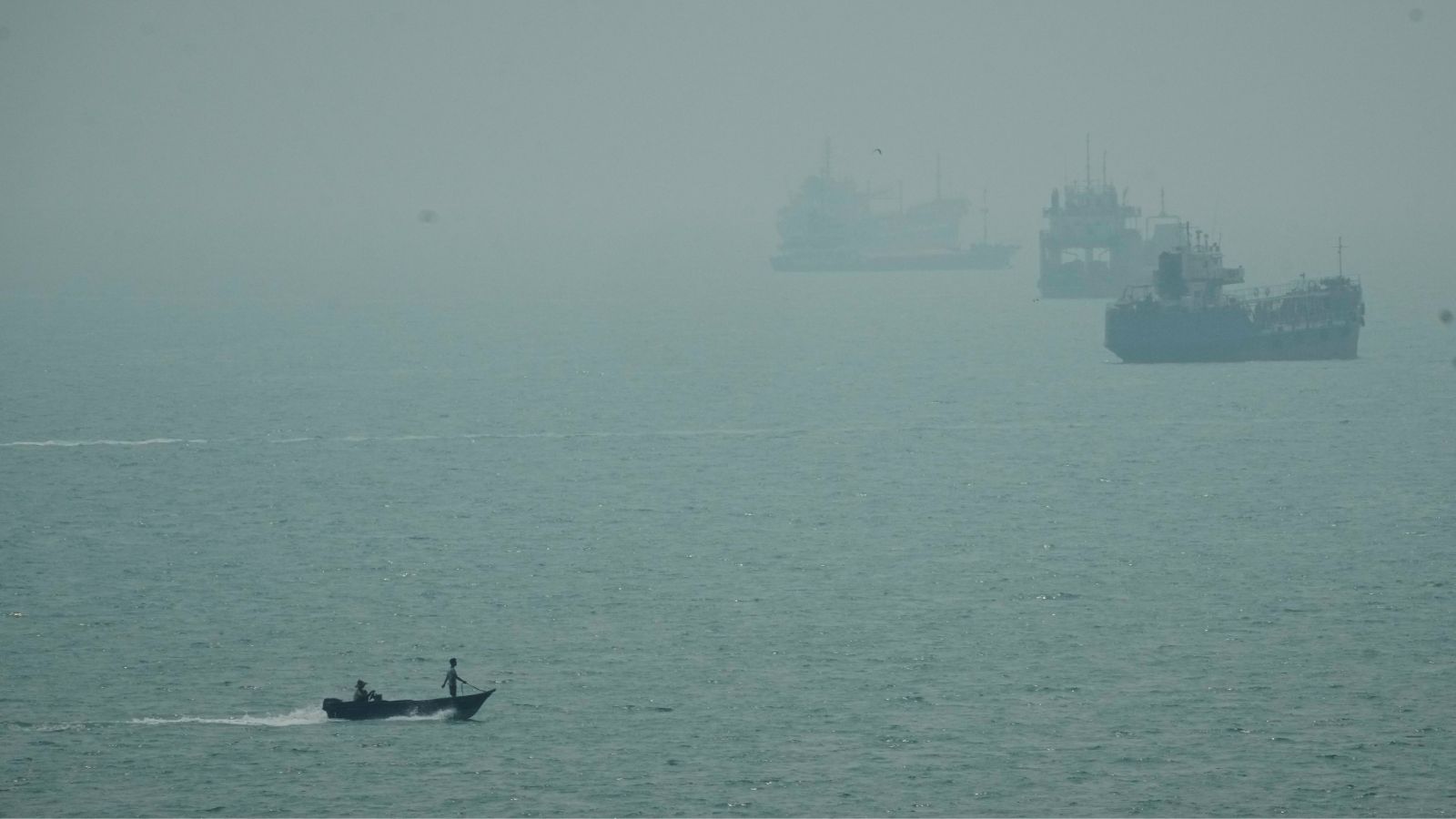
A defence expert says more ships are now moving through the area, so Iran’s ability to scare markets may be getting weaker.
But he says Iran can still cause trouble and make the conflict costly.
The article says ships may need permission from Iran or the United States, depending on their route.
Some vessels switch off their tracking systems while travelling.
Oil exports from the region have increased, including shipments that use pipelines instead of the strait.
However, attacks are still being reported, and LNG traffic through Hormuz remains far below its pre-war level.
The expert says Iran is under economic pressure but remains capable of disruption.

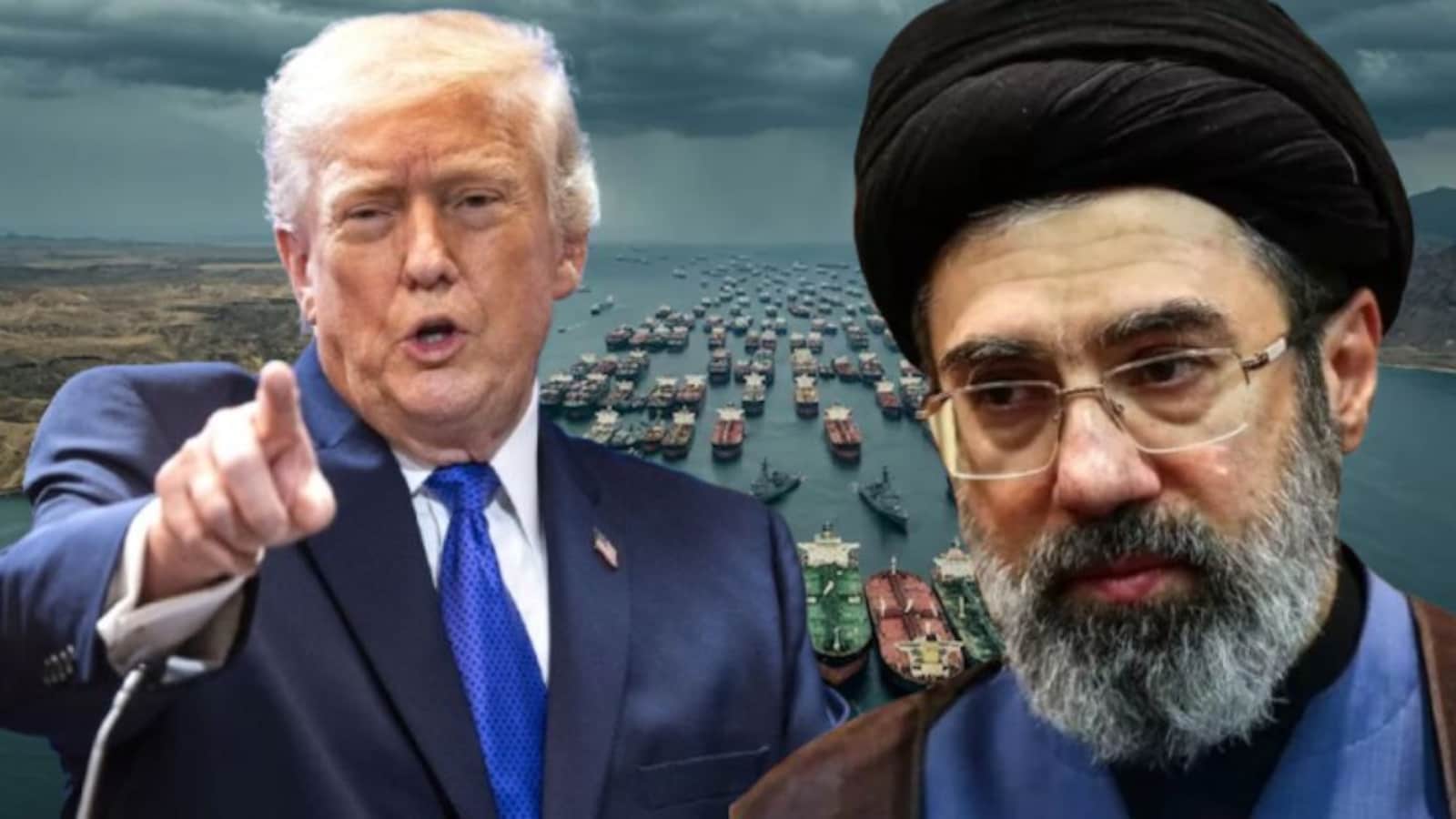
Expert Pierre Pahlavi says recovering shipping traffic is weakening Iran’s psychological leverage over the Strait of Hormuz, but not its ability to impose costs.
Pahlavi says Iran’s asymmetric tools include missiles, drones, regional networks and maritime disruption.
The article says ships face separate permission requirements from Iranian forces in the northern corridor and US authorities in the southern corridor.
Kpler data cited in the article put Middle Eastern crude and refined-product exports at an average of 17 million barrels per day so far in September, including pipeline routes.
Shipping has rebounded but remains disrupted: reports describe attacks and LNG flows through Hormuz more than 75 percent below pre-war levels.
- Who
- Iran, the United States, and commercial shipping operators; Pierre Pahlavi is the expert quoted.
- What
- Iran’s leverage over Strait of Hormuz shipping may be weakening as traffic and regional exports recover, though risks and disruption remain.
- Where
- The Strait of Hormuz and nearby Gulf shipping routes.
- When
- The article describes developments since the conflict began on February 28, with shipping and export figures from September and early October.
- Why
- The article attributes the changing leverage to recovering traffic and markets adapting, while Iran retains the ability to disrupt shipping and impose costs.
Iran’s leverage is weakening
Iran retains disruptive power
Effect of recovering shipping
Iran’s leverage is weakening
Pahlavi says increased traffic and market adaptation weaken Iran’s ability to use fear of unsafe passage as psychological leverage.
Iran retains disruptive power
Pahlavi says Iran does not need to close the strait completely to impose costs, and retains the ability to disrupt shipping.
Iran’s position in the conflict
Iran’s leverage is weakening
The article says US economic pressure is difficult for Iran to absorb, and reported Iranian exports remain far below pre-war levels.
Iran retains disruptive power
Pahlavi says Iran still has missiles, drones, regional networks and the capacity to create uncertainty across the Gulf.
Shipping recovery
Iran’s leverage is weakening
Kpler figures cited in the article show regional oil exports rising toward pre-war volumes, including through alternative pipelines.
Iran retains disruptive power
The article says LNG flows through Hormuz remain more than 75 percent below pre-war levels and attacks on vessels continue to be reported.
Key facts
- Conflict start date
- February 28, according to the article.
- Expert quoted
- Dr Pierre Pahlavi, deputy head in the Department of Defence Studies at Canadian Forces College and Royal Military College of Canada.
- Share of global crude oil and LNG through Hormuz
- About 20 percent, according to the article.
- Regional exports in September
- Kpler estimated an average 17 million barrels per day of crude and refined products from Middle Eastern Arab states, including pipeline exports.
- Crude export moving average
- 18.5 million barrels per day on October 1, according to Kpler data cited by Reuters.
- LNG traffic
- September shipments through Hormuz reached their highest monthly level since February, but remained more than 75 percent below pre-war levels.
- Iranian exports
- The article reports Iran was exporting about 200,000 barrels per day, less than a tenth of its pre-conflict level.
Quotes
Pierre Pahlavi
Deputy head in the Department of Defence Studies at Canadian Forces College and Royal Military College of Canada.
“The regime is still standing, but it is paying a growing price simply to remain in the game. That does not mean Iran is powerless. Quite the opposite.”
 livemint.com
“I would put it this way: Iran is losing the ability to dictate the strategic tempo, but it retains the ability to disrupt it.”
livemint.com
Sources
Related news
Iran’s Hormuz Leverage Wanes as U.S. Economic Pressure Intensifies
Iran Claims Strike on US Vessel as Hormuz Fighting Escalates

Iran Warns U.S. Energy Interests as Hormuz Traffic Falls

US Denies Iran’s Claim of Vessel Strike Near Hormuz

Widening US-Iran Conflict Threatens Middle East Oil Shipping Routes
Hormuz Traffic Falls as US Insists Waterway Remains Fully Open

Sitharaman Warns Hormuz Disruption Threatens Global Food Security
West Asia Oil Exports Rebound Despite Rising Tanker Attacks
Oman Becomes India’s Top LNG Supplier as Imports Shift
Aramco CEO Warns Thin Oil Stocks Raise Market Risks
