6 days ago
Higher-Value Exports Key to India-Japan $50 Billion Trade Target
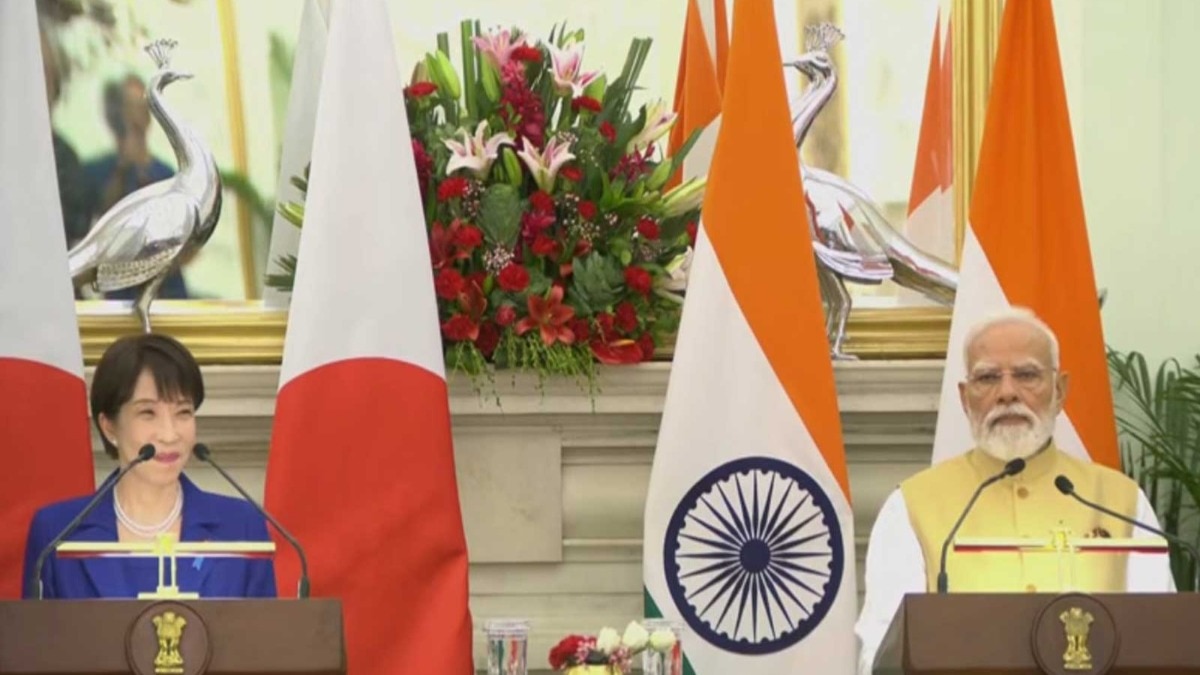
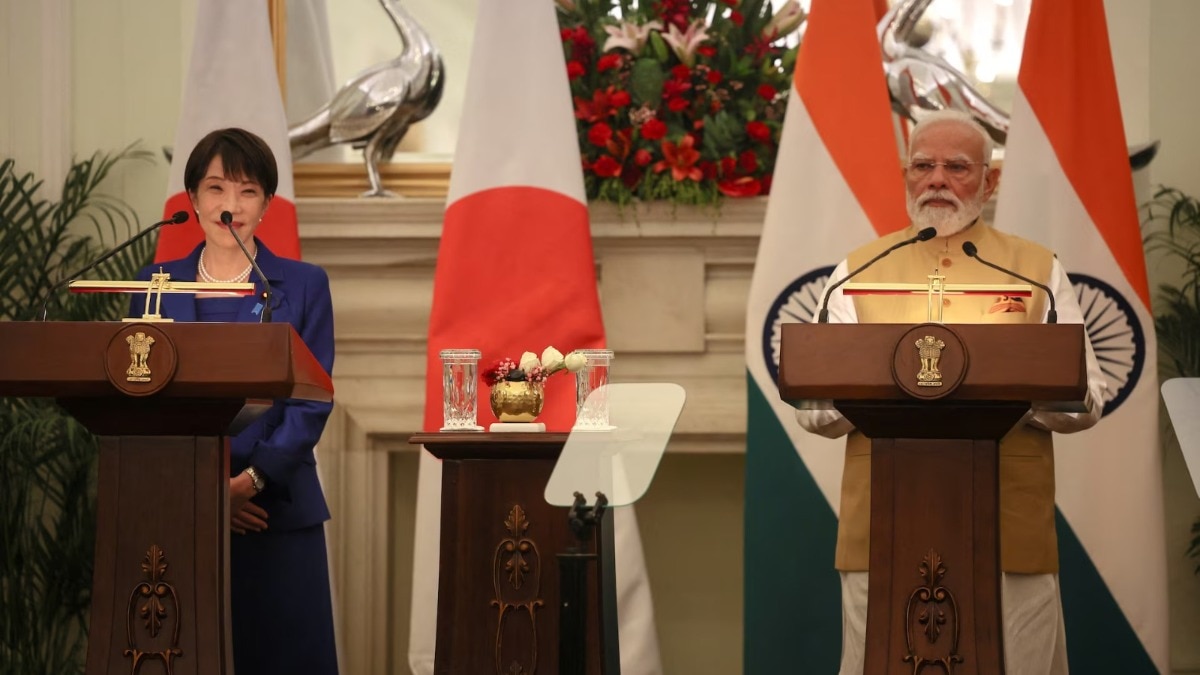
India and Japan want to increase their trade to $50 billion by 2030.
Their trade has already grown by 33%.
However, India still sells less than 1% of all the goods Japan imports from the world.
This means India has a lot of room to sell more in Japan.
The biggest opportunities may be in advanced areas such as semiconductors, artificial intelligence and digital technology.
India offers a large market, young workers and growing factories.
Japan offers technology, money and industrial experience.
Japanese investment and research centres in India could help Indian companies make more advanced products.
The two countries will need closer business cooperation to reach their goal.

India-Japan bilateral merchandise trade increased 33%, outpacing growth with the United States, European Union and China.
India’s share of Japan’s global imports remains below 1%, indicating room to expand market access and exports.
Semiconductors, artificial intelligence, digital technologies, critical minerals and resilient supply chains are identified as future growth areas.
Japan is the fifth-largest investor in India and has committed JPY 10 trillion in private investment over the coming decade.
ASSOCHAM said stronger business engagement, technology transfer and improved ease of doing business could help achieve the $50-billion trade target by 2030.
- Who
- India, Japan and the Associated Chambers of Commerce and Industry of India (ASSOCHAM), including ASSOCHAM President Nirmal K. Minda.
- What
- The countries are seeking to expand bilateral trade to $50 billion by 2030, with higher-value and technology-intensive Indian exports playing a central role.
- Where
- Trade and investment opportunities span India and Japan, including Japanese-led manufacturing and technology ecosystems in India.
- When
- The target is for 2030; Japan has committed JPY 10 trillion in private investment over the coming decade.
- Why
- India’s share of Japan’s global imports is below 1%, while the two economies have complementary strengths in markets, labour, manufacturing, technology and capital.
Key facts
- Trade target
- India and Japan are aiming for $50 billion in bilateral trade by 2030.
- Recent trade growth
- Bilateral merchandise trade increased 33%.
- India’s import share
- India accounts for less than 1% of Japan’s global imports.
- Potential sectors
- Semiconductors, artificial intelligence, digital technologies, critical minerals and resilient supply chains.
- Japanese investment
- Japan is the fifth-largest investor in India.
- Investment commitment
- Japan has committed JPY 10 trillion in private investment over the coming decade.
- Proposed initiatives
- ASSOCHAM suggested more research and development centres, innovation centres, global capability centres and engineering partnerships in India.
Sources
Related news
India and Japan Deepen Economic and Security Partnership
Goyal Pitches India’s Scale to Japanese Businesses and Investors
India, Japan Shift Economic Partnership Toward High-Tech Growth

Goyal Urges Japanese Firms to Double India Presence by 2030
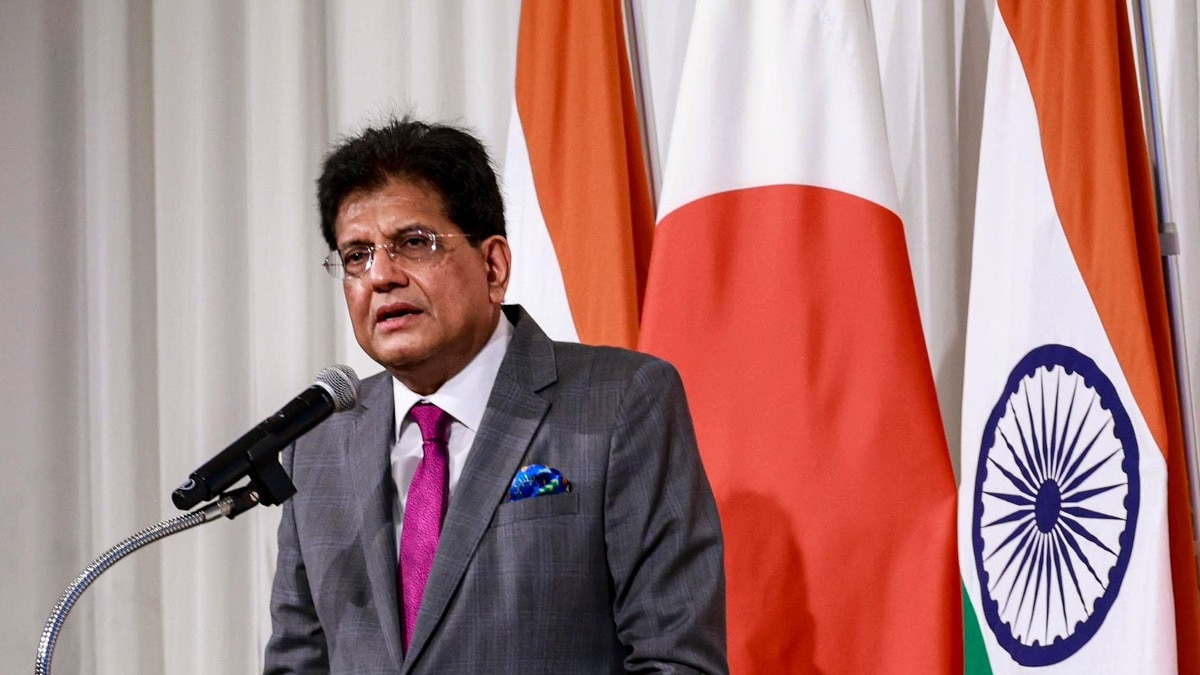
Goyal Urges Japan to Build 1,580 Suzukis in India

Piyush Goyal Pushes India-Japan Investment in Chips and Industry

Japan Cricket Boss Defends Asian Games Facilities Against Concerns

Mitsubishi Revives Pajero With 201PS Fifth-Generation SUV

Europe's Bond Selloff Deepens as Middle East Tensions Lift Oil

Uday Kotak Warns Global Bond Markets Face Roller-Coaster Volatility
Global Bond Sell-Off Pushes Japan Yields To 30-Year High