1 hr ago
Indian Student Movements Echo Past Struggles for Democracy
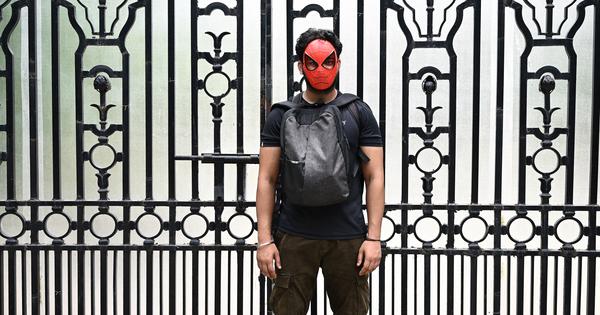
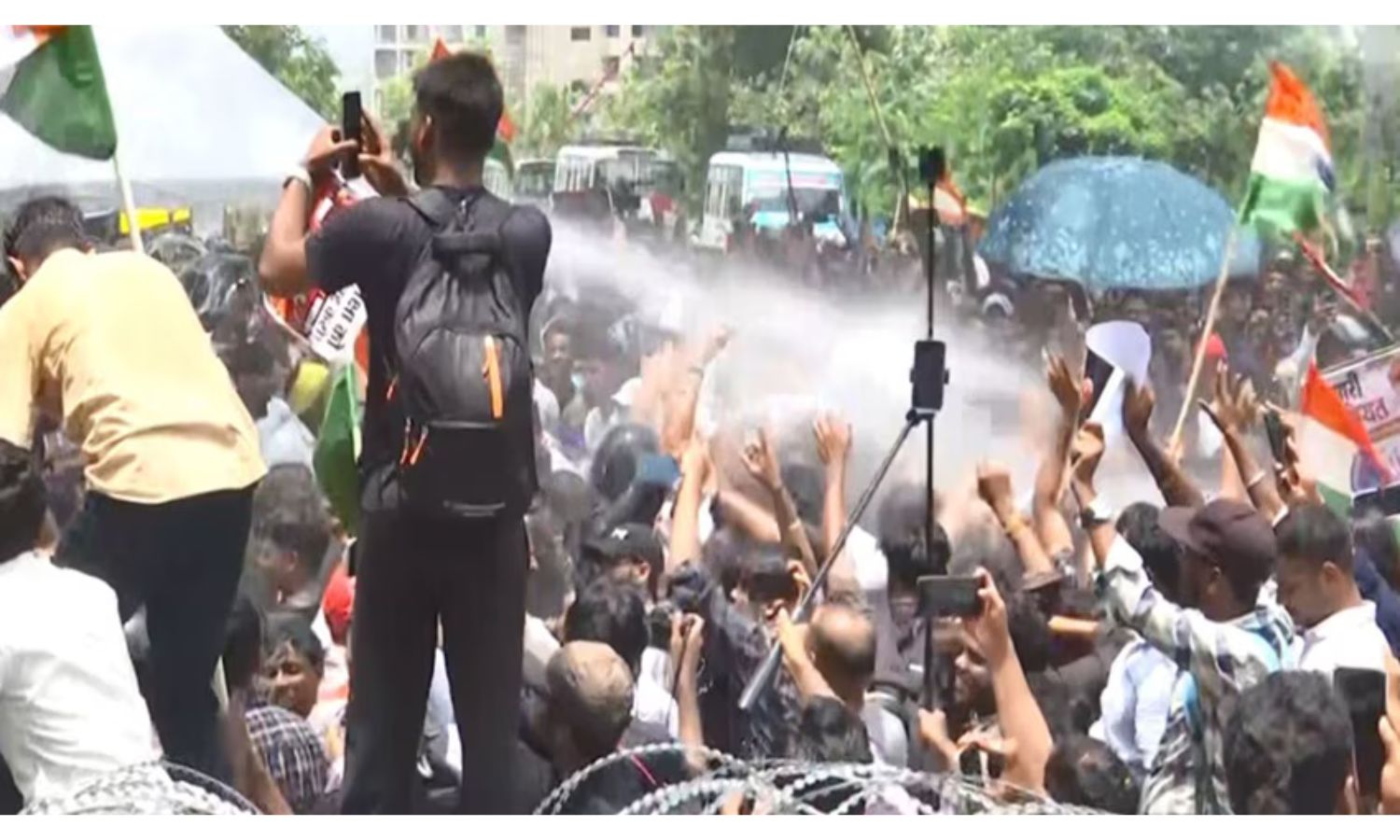
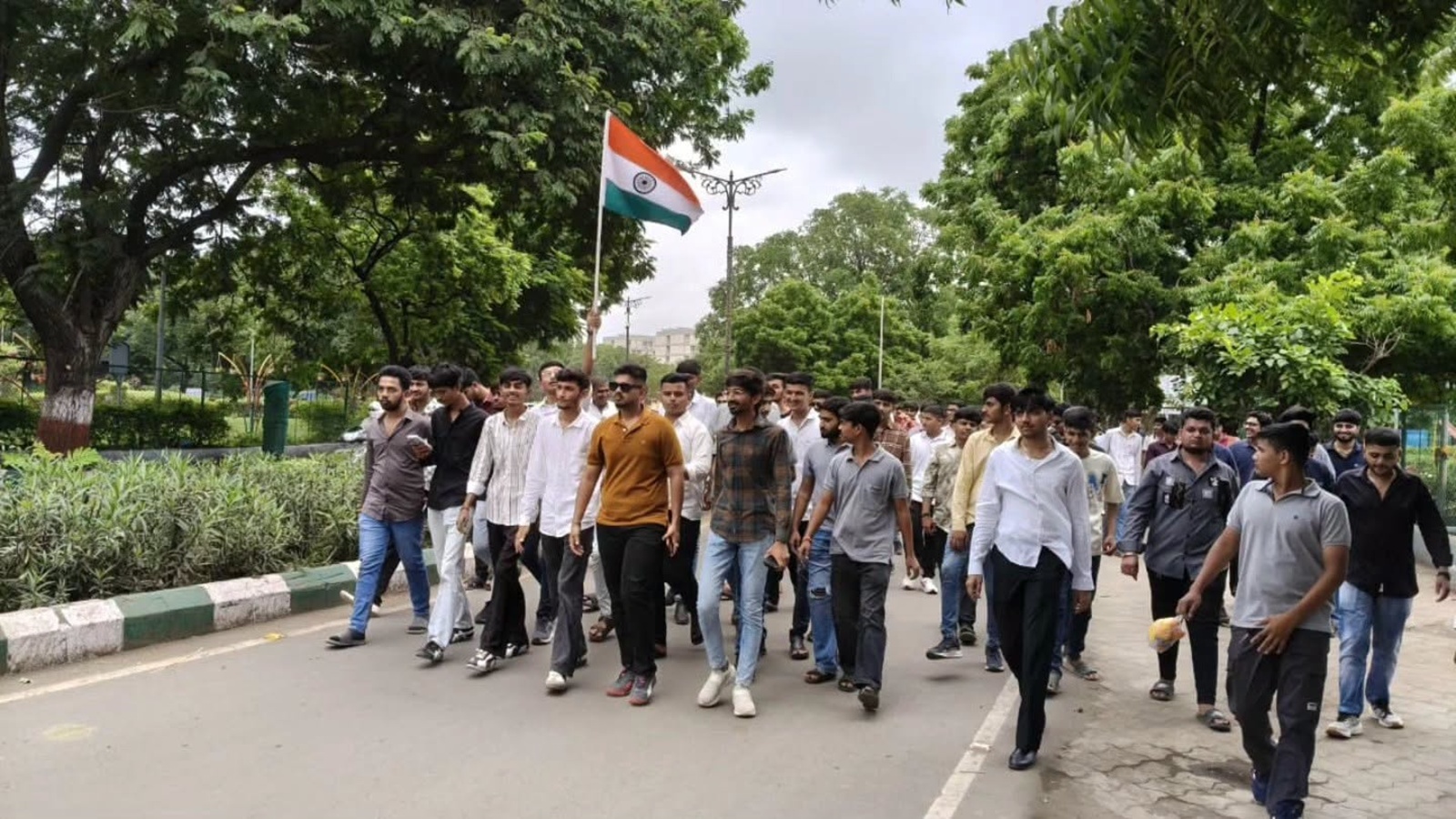
Indian students have often joined protests to try to improve their country’s politics and public life.
The article says the latest protests took place at Jantar Mantar in early July.
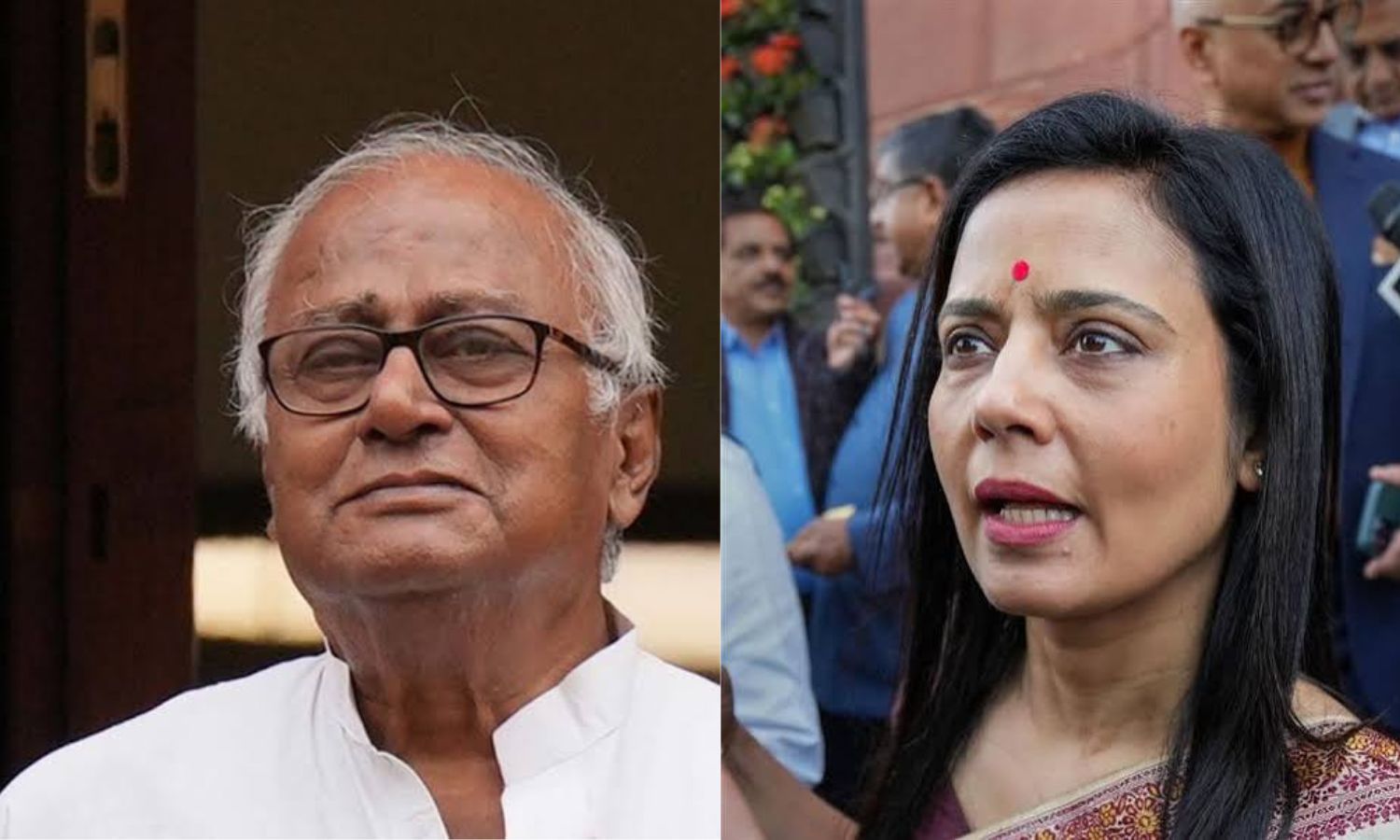
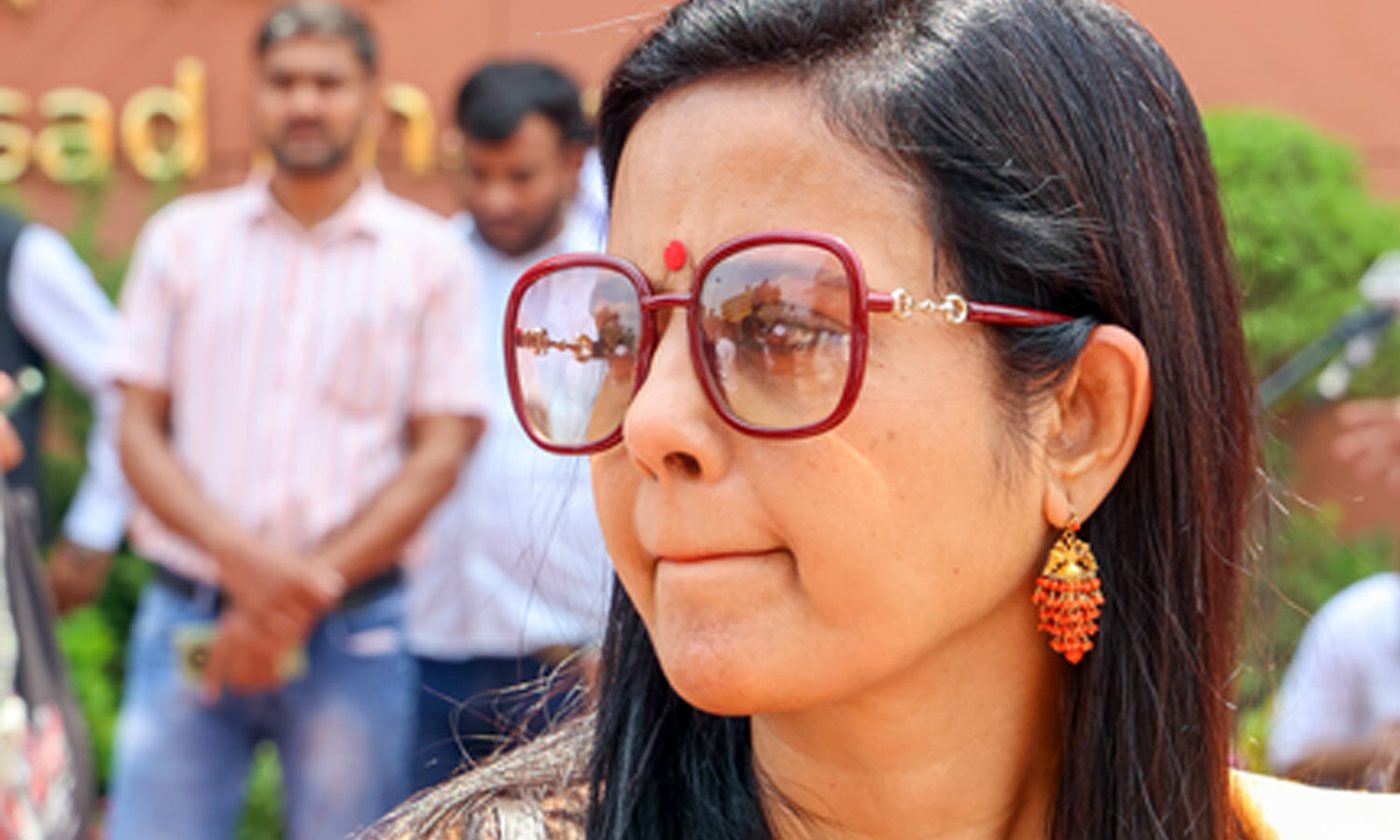
A politician, Mahua Moitra, praised the students for putting pressure on the government.
Soon afterward, Education Minister Dharmendra Pradhan resigned.
The writer compares these protests with student movements from India’s freedom struggle.
Students also helped lead movements in Telangana, Assam and Uttarakhand after independence.
In the 1970s, students joined Jayaprakash Narayan in a large movement against Indira Gandhi’s government.
That movement helped bring more democracy but also gave greater strength to Hindutva politics.
The writer says today’s students want liberty, equality and fraternity, but it is too early to know what will happen next.

Students protesting at Jantar Mantar were credited with pressuring the government, followed by Dharmendra Pradhan’s resignation and other signs of official confusion.
The article traces Indian student activism from the 1905 swadeshi movement and anti-colonial campaigns to post-Independence regional movements.
Students played major roles in the Telangana, Assam and Uttarakhand movements, with some student organizations later entering electoral politics.
The 1970s JP movement united students against authoritarianism and helped end one-party rule, but also strengthened Hindutva forces over time.
The current protesters invoke Ambedkar, Gandhi and Nehru while opposing authoritarianism and religious bigotry, though the movement’s long-term impact remains uncertain.
- Who
- Students protesting in India, with support from Trinamool Congress MP Mahua Moitra; the article also discusses earlier student activists and leaders including Mahatma Gandhi and Jayaprakash Narayan.
- What
- A current student upsurge is challenging the government and is presented as part of a 120-year history of student involvement in Indian politics and public life.
- Where
- The current protests took place at Jantar Mantar; earlier movements discussed occurred across Bengal, Gujarat, Bihar, Assam, Telangana, Uttarakhand and other parts of India.
- When
- The current protests took shape in early July, and Dharmendra Pradhan resigned three weeks later; the historical comparison begins with the swadeshi movement about 120 years ago.
- Why
- The current protesters are described as opposing authoritarianism and religious bigotry and seeking to fulfill constitutional promises of liberty, equality and fraternity.
Supporters’ View
Historical Cautions
Effect of the current protests
Supporters’ View
Mahua Moitra credited the younger generation with saving Indian democracy, and the article says ministerial resignations and other government turmoil showed that the protests had generated pressure.
Historical Cautions
The article says it is too early to know whether the students can sustain their momentum or achieve a broader renewal of constitutional values.
Meaning of the movement
Supporters’ View
The students present their campaign as a possible third freedom struggle aimed at completing the promises of liberty, equality and fraternity left unfulfilled by earlier struggles.
Historical Cautions
Earlier movements produced mixed results: the JP movement helped end one-party rule but also gave legitimacy to Hindutva forces that later gained influence.
Political alignment
Supporters’ View
The current student leaders are described as opposing both authoritarianism and religious bigotry, with women students particularly visible in the protests.
Historical Cautions
The article notes that the Akhil Bharatiya Vidyarthi Parishad opposed the ruling regime during the JP movement but now supports the ruling regime, highlighting how student politics can change over time.
Key facts
- Current protest site
- Jantar Mantar
- Political supporter
- Trinamool Congress MP Mahua Moitra was among the first politicians to visit and express solidarity.
- Government development
- Union Education Minister Dharmendra Pradhan resigned three weeks after the protests took shape.
- Historical starting point
- The article traces student activism to the swadeshi movement in Bengal about 120 years ago.
- Major regional movements
- Students strongly featured in the Telangana, Assam and Uttarakhand movements.
- 1970s movement
- Students were central to the JP movement in Gujarat and Bihar, led in Bihar by Jayaprakash Narayan.
- Current ideals
- Protesters invoke Ambedkar, Gandhi and Nehru and oppose authoritarianism and religious bigotry.
Quotes
Arupjyoti Saikia
Historian who wrote about the Assam movement
“Students of every district came to study in Calcutta, and no doubt it was through them above all that the movement initially spread into the mofussil.”
 scroll.in
“the movement was largely in the hands of student leaders”
scroll.in
Sources
Related news
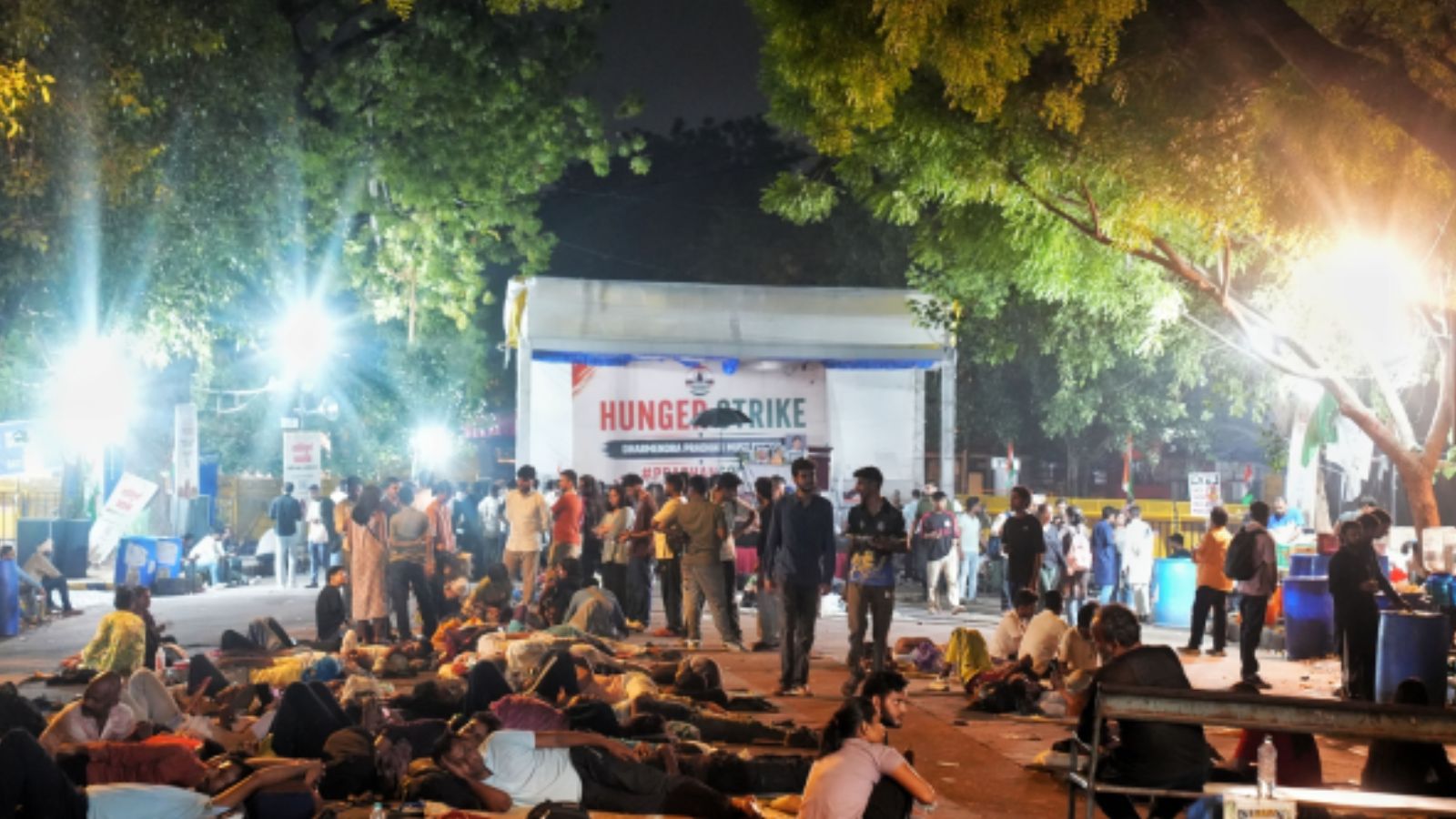
Student NEET Protests Spur Resignation of Education Minister Dharmendra Pradhan
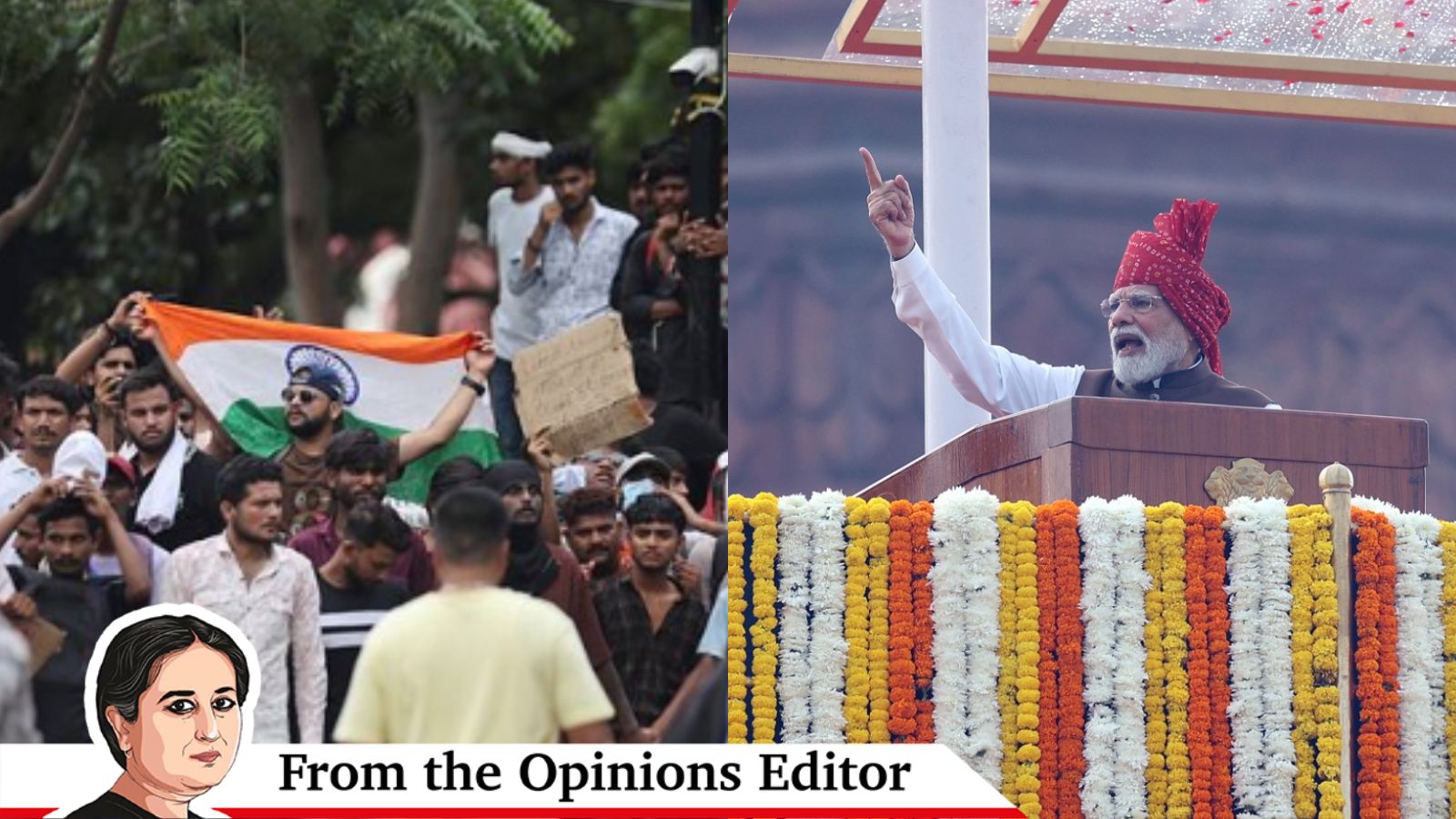
The Day After I-Day: Snapshots of Freedom and Unfreedom
Youth Protests Force Exam Cancellations and Political Concessions
Gujarat Student Leaders Seek Campus Elections and Academic Reforms
Netaji's grand-nephews recall Bengal's role in Quit India Movement

Tharoor: Rahul Gandhi's Student Campaign Didn't Resonate Like CJP
Mahua Moitra Faces Non-Bailable Case Over Communal Hatred Complaint

Mahua Moitra summoned in Bengal over alleged communal social-media remarks

Opposition Targets BJP Over Jantar Mantar Assault Claims

TMC Seeks President, Governor Meetings After Camac Street Vandalism