3 hrs ago
Groq Shareholders Sue Over Nvidia’s $20 Billion Deal
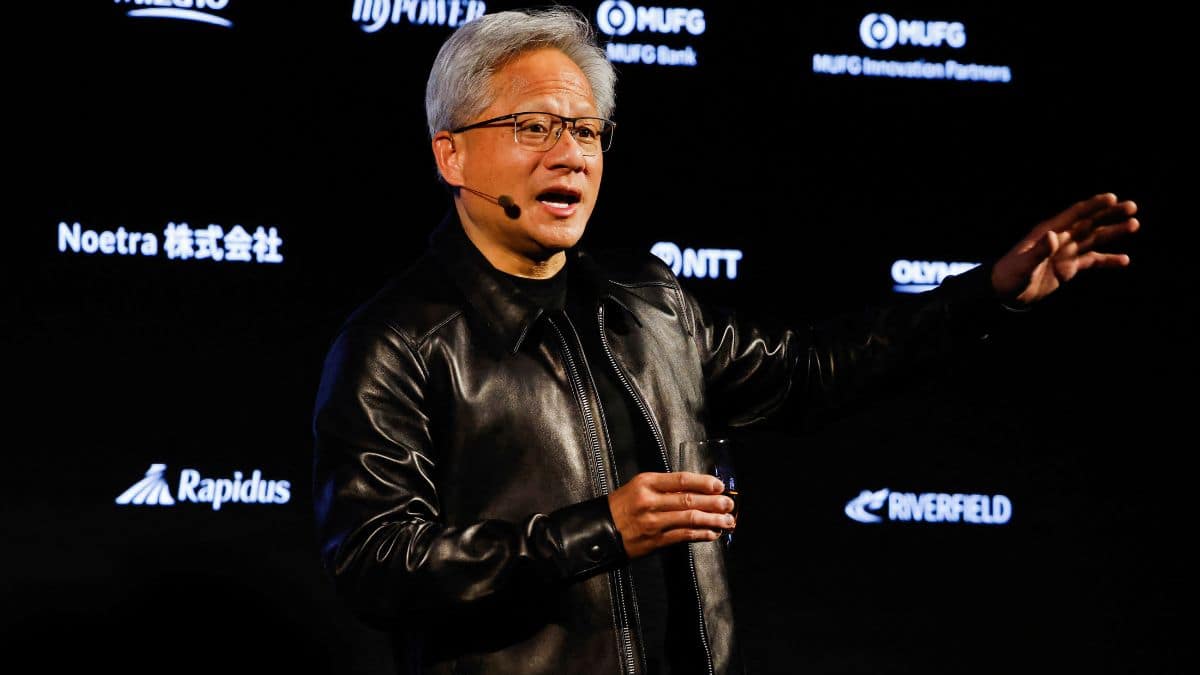
Two former Groq engineers who owned shares have sued Groq’s board.
They say the board made a deal with Nvidia that gave Nvidia important technology and employees.
The deal was described by Nvidia as a non-exclusive license, meaning Groq could remain independent.
The engineers say many shareholders got too little money and some could not vote.
They also say the deal did not give shareholders a fair chance to benefit from Groq’s technology later.
The article says the transaction was worth $20 billion, while a $17 billion licensing payment was treated as taxable income for Groq.
Some US senators have criticized similar deals, saying they may avoid antitrust review.
Nvidia has since introduced a chip based on Groq technology.

Two former Groq engineers who owned shares sued the company’s board in a Delaware corporate law court.
The complaint alleges that Nvidia’s 2025 licensing deal transferred Groq’s key technology and senior employees while leaving a reduced workforce.
The plaintiffs say common shareholders received too little, some were denied a vote, and the board did not seek the best deal for all shareholders.
Nvidia described the arrangement as a non-exclusive license; the lawsuit alleges it functioned as a transfer of valuable assets and talent.
The article reports that Nvidia has introduced a chip based on Groq technology, while US senators have criticized acquihires as a way to avoid antitrust scrutiny.
- Who
- Former Groq engineers and shareholders Benjamin Serebina and Joshua Rubon filed the lawsuit against Groq’s board; Nvidia is the company involved in the deal.
- What
- The plaintiffs allege the board improperly transferred valuable technology and employees to Nvidia and treated shareholders unfairly.
- Where
- The case was filed in a Delaware corporate law court.
- When
- The lawsuit was filed on a Friday; the licensing deal took place in 2025.
- Why
- The plaintiffs seek to challenge the deal’s handling of Groq’s assets and the value and treatment of its shareholders.
Shareholders’ allegations
Deal’s stated framing
Nature of the arrangement
Shareholders’ allegations
The lawsuit alleges the deal transferred Groq’s valuable technology and key employees, leaving the company with a skeletal crew.
Deal’s stated framing
Nvidia framed the transaction as a non-exclusive licensing arrangement under which Groq would remain independent and functioning.
Treatment of shareholders
Shareholders’ allegations
The plaintiffs allege common shareholders were cashed out cheaply, some could not vote, and the board failed to secure the best terms for all shareholders.
Deal’s stated framing
The article does not report a response from Nvidia or Groq to these allegations.
Acquihires and antitrust scrutiny
Shareholders’ allegations
Democratic senators Elizabeth Warren, Richard Blumenthal, and Ron Wyden have said acquihires may be designed to evade antitrust scrutiny and risk further industry consolidation.
Deal’s stated framing
The article describes such arrangements as a way companies including Meta, Microsoft, and Google seek talent and an AI advantage without pursuing a full acquisition that regulators might block.
Key facts
- Reported deal value
- $20 billion
- Licensing payment cited
- $17 billion, described in the article as taxable income for Groq
- Plaintiffs
- Benjamin Serebina and Joshua Rubon, former Groq engineers and shareholders
- Court
- A Delaware corporate law court
- Deal year
- 2025
- Reported chip milestone
- Nvidia unveiled a new chip based on Groq technology; the article says it entered full production in August
Quotes
Elizabeth Warren, Richard Blumenthal and Ron Wyden
U.S. senators commenting on acquihires and competition in the technology industry.
““acquihires” appear to be designed to evade antitrust scrutiny and risk further consolidating the Big Tech industry.”
 firstpost.com
Sources
Related news

Justice Department Probes Nvidia’s Groq Licensing Deal Over Antitrust
Nvidia’s AI Equity Stakes Surge to $99 Billion
X and SpaceXAI Resolve Apple Antitrust Claims, Continue OpenAI Lawsuit
Jensen Huang Calls AI Distillation Competition, Defying U.S. Officials

AI Companies Sued Over Alleged Coordinated Development Slowdown

Nvidia CEO Rejects AI Firms’ Calls for Regulatory Waivers

BNP Paribas Raises Nvidia Target to $345, Sees 47% Upside

Astra Cybercity Plans $3 Billion Data Centre Investment in Maharashtra

AM Intelligence Orders 20,000 More Nvidia GPUs for India, Malaysia

Ampere Launches Nexus EX+ Electric Scooter With Intellipack