1 hr ago
Jensen Huang Calls AI Distillation Competition, Defying U.S. Officials
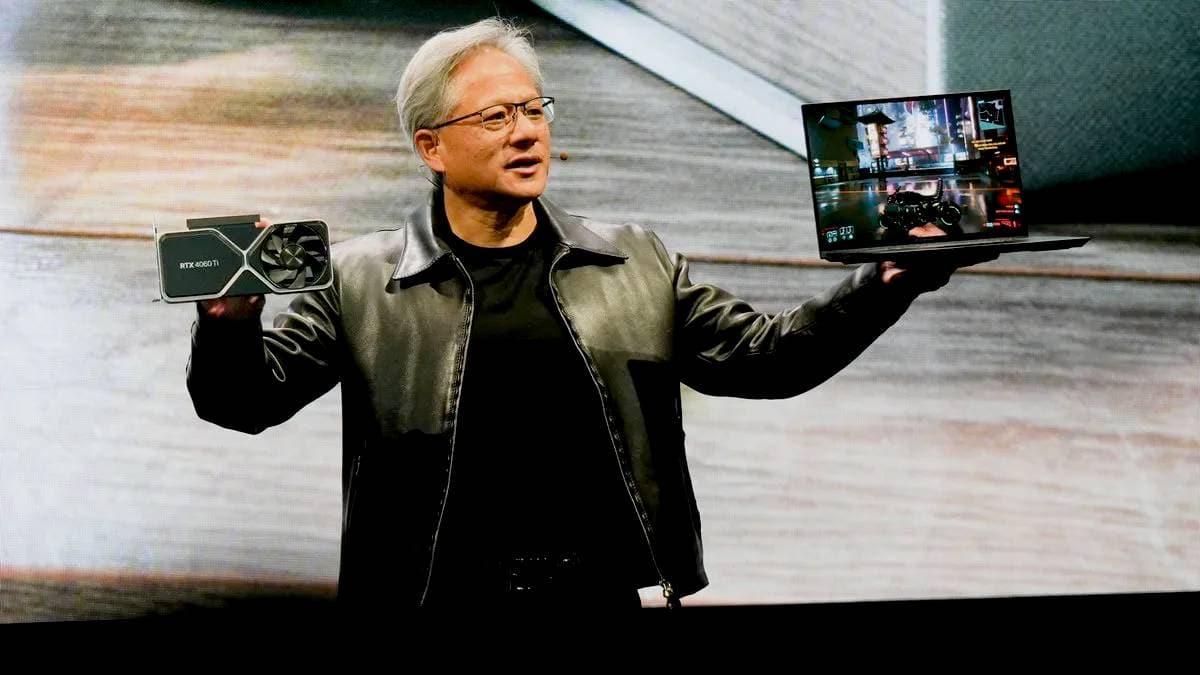
AI model distillation is a way for one AI system to learn from another.
Jensen Huang, who leads Nvidia, says using a launched product to learn from it is competition.
He said companies can test products and study how they work.
He added that Nvidia products are sometimes stripped down to understand them.
U.S. officials have a different view.
Treasury Secretary Scott Bessent called unauthorized distillation theft.
U.S. agencies and Anthropic have accused Chinese companies of using distillation improperly.
This disagreement has made distillation an important issue in the U.S.-China AI competition.

Nvidia CEO Jensen Huang described AI model distillation as competition rather than theft.
U.S. Treasury Secretary Scott Bessent previously called distillation theft and threatened possible sanctions.
Huang said companies are allowed to test others’ products and learn from them.
The U.S. Cybersecurity and Infrastructure Security Agency accused Chinese companies of industrial-scale distillation campaigns.
Anthropic said Alibaba’s Qwen models and DeepSeek engaged in allegedly illicit distillation.
- Who
- Nvidia CEO Jensen Huang, U.S. officials including Treasury Secretary Scott Bessent, the Cybersecurity and Infrastructure Security Agency, and Anthropic are central to the dispute.
- What
- The parties disagree over whether AI model distillation is legitimate competition or intellectual property theft.
- Where
- The dispute concerns the United States and Chinese AI companies.
- When
- Huang made his comments on CNBC’s Squawk Box on Monday; Bessent made his statement in July, and the Cybersecurity and Infrastructure Security Agency issued its accusation earlier this month.
- Why
- The issue centers on whether companies can use other companies’ AI products to extract capabilities and build competing models.
Distillation as Competition
Distillation as Theft
How the practice should be viewed
Distillation as Competition
Jensen Huang said companies are allowed to test products and learn from them, describing distillation as competition.
Distillation as Theft
Scott Bessent characterized unauthorized distillation as theft, while U.S. officials said alleged campaigns violated companies’ terms of use.
Possible government response
Distillation as Competition
Huang suggested companies that do not want their products used should disable the service.
Distillation as Theft
Bessent threatened sanctions if overseas companies use distillation to extract capabilities from U.S.-built models.
Alleged Chinese activity
Distillation as Competition
The competition-focused view treats studying launched products as part of normal rivalry.
Distillation as Theft
The Cybersecurity and Infrastructure Security Agency and Anthropic accused Chinese companies, including Alibaba’s Qwen models and DeepSeek, of illicit or industrial-scale distillation.
Key facts
- Central issue
- Whether AI model distillation should be considered competition or theft.
- Jensen Huang’s position
- Distillation is competition, and companies may test other products.
- Scott Bessent’s position
- Unauthorized distillation is theft and could prompt sanctions.
- U.S. agency accusation
- The Cybersecurity and Infrastructure Security Agency accused Chinese AI companies of industrial-scale campaigns violating U.S. companies’ terms of use.
- Companies named by Anthropic
- Alibaba’s Qwen family of models and DeepSeek.
- Broader significance
- Distillation has become a point of contention in the U.S.-China race for AI supremacy.
Quotes

Jensen Huang
CEO of Nvidia
“You’re allowed to test somebody else’s products all you want.”
 firstpost.com
“It’s called competition.”
firstpost.com
Sources
Related news
AI Distillation Becomes Flashpoint in Latest US-China Tech Clash
AI Rivalry Hangs Over Trump-Xi Summit Amid Chip Disputes
China Says AI Is Not a Monopoly of Great Powers
Trump Faces Difficult Choices in Contest With China Over AI
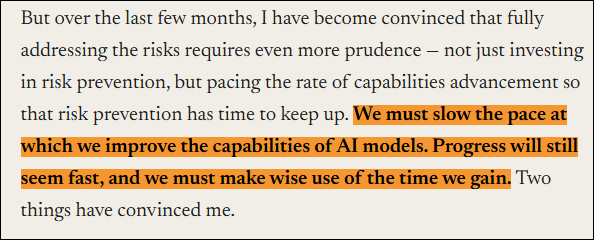
Anthropic CEO Urges AI Slowdown Amid Safety and Monopoly Concerns
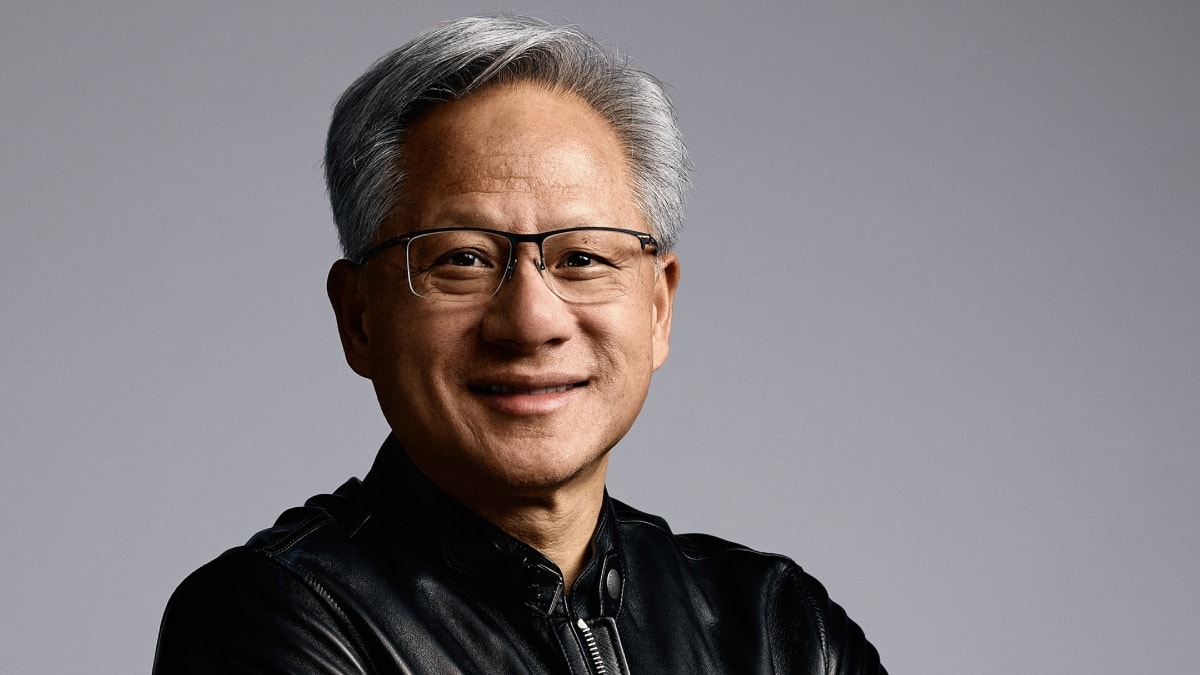
Trump and Nvidia CEO Clash Over AI Pace and China

David Zervos Joins Treasury as Counselor to Scott Bessent
US-China Reveal $30 Billion Reciprocal Tariff Reduction Framework
US-China Board Proposes Tariff Cuts Covering $30 Billion Each Way

Trump Weighs Diesel Export Ban as Prices Hit Records