2 weeks ago
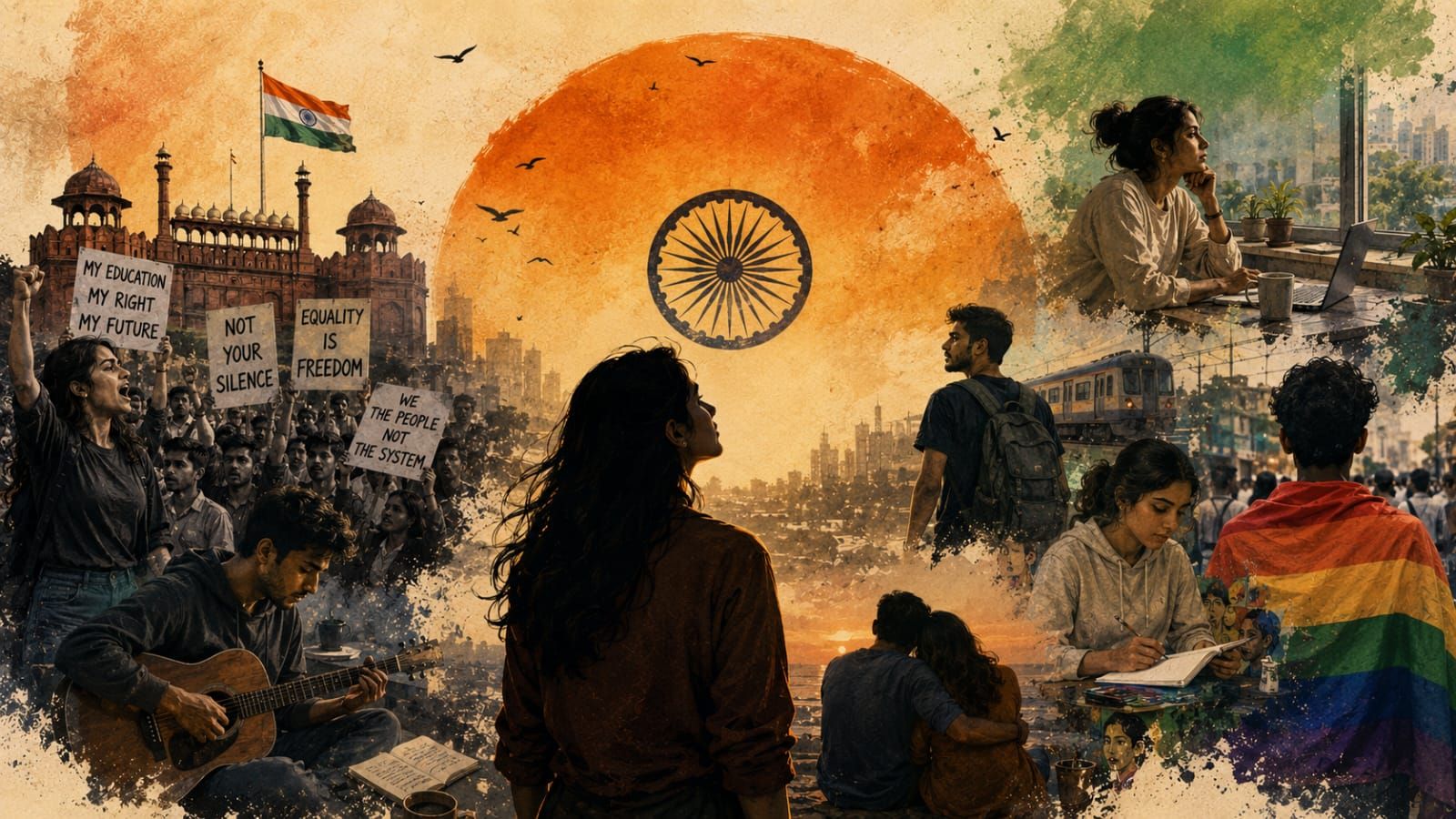
How Independent Are India's Marginalised Communities on Independence Day?
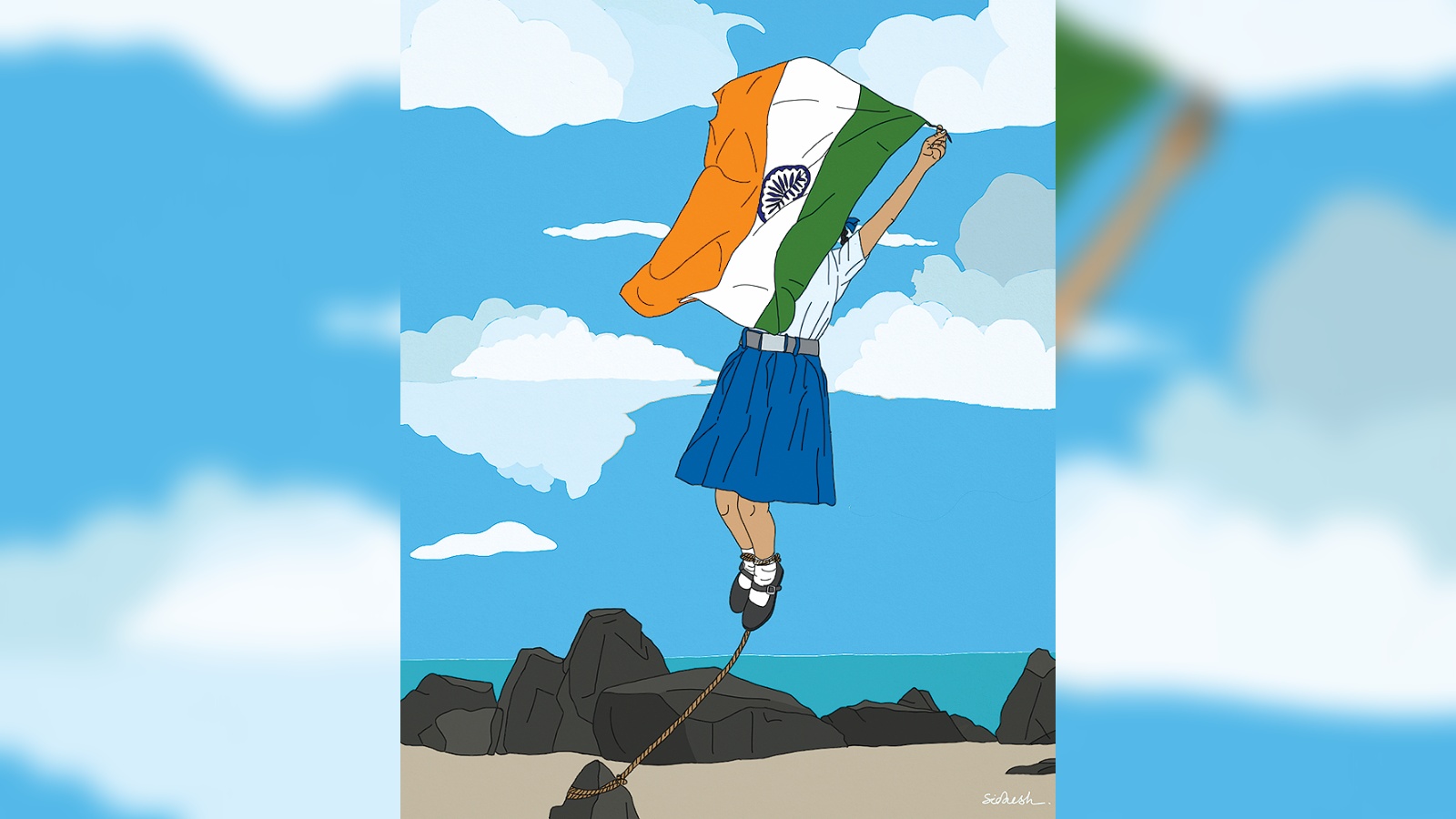
Every year, India celebrates Independence Day with flags, speeches and celebrations to remember freedom from foreign rulers.
An author named Siddhesh Gautam wrote an essay asking whether everyone in India really feels that freedom.
He says people from some communities are still treated unfairly because of the family, religion, or group they are born into.
Some people are hurt or lose their homes and forests just for asking to be treated with respect.
He believes true freedom means fair treatment and dignity for everyone, not just the absence of a foreign ruler.
He also worries that young people are pushed to chase money and status instead of following their own real dreams.
He wants young people to feel free to ask big questions and imagine a better, more caring society.
He hopes that one day freedom will be felt every day by everyone, and not just celebrated once a year.

Graphic artist and author Siddhesh Gautam writes that Independence Day occupies a world of flags, speeches and celebrations that conflicts with the lived experiences of marginalised communities.
Gautam, who comes from a Scheduled Caste background, argues freedom remains limited for Dalits, Adivasis, Muslims, Christians, women and queer people.
He says a nation cannot claim complete independence while entire communities continue to negotiate their basic right to exist with dignity.
He contends many young people inherit aspirations manufactured by markets and algorithms, and are encouraged to become efficient workers before thoughtful citizens.
He calls for freedom from caste prejudice, communal hatred, patriarchy, homophobia and corruption, describing true independence as a continuous project of expanding dignity, justice and possibilities.
- Who
- Siddhesh Gautam, a graphic artist, author of 'The Blue Book', and writer from a Scheduled Caste background.
- What
- An essay questioning whether India's marginalised communities experience true independence, arguing that freedom must include dignity and justice beyond freedom from colonial rule.
- Where
- India.
- When
- Written for India's annual Independence Day commemoration, which the author reflects on every year.
- Why
- To highlight the unfinished work of independence — caste prejudice, communal hatred, patriarchy, homophobia and corruption — and the need to expand dignity, justice and possibilities.
Critical view: independence is incomplete without social justice
Traditional view: independence means freedom from colonial rule
Meaning of independence
Critical view: independence is incomplete without social justice
Independence must include justice among the people, freedom from caste hierarchies, communal hatred, patriarchy and homophobia; a nation cannot claim complete independence while communities lack dignity.
Traditional view: independence means freedom from colonial rule
Independence is the world of flags, speeches, celebrations and nostalgia for freedom from colonial rule, marked annually on Independence Day.
Opportunities for young people
Critical view: independence is incomplete without social justice
Many young people are trapped in dreams they never chose for themselves, inheriting aspirations manufactured by markets and algorithms rather than imagination.
Traditional view: independence means freedom from colonial rule
Today's generation is often imagined to have limitless opportunities.
Cultural independence
Critical view: independence is incomplete without social justice
Cultural independence must mean the flourishing of many cultures together, and of asking whose culture, languages and histories get celebrated and preserved.
Traditional view: independence means freedom from colonial rule
India's diversity is often proudly spoken about as a national strength, with the nation's varied cultures treated as shared heritage.
Key facts
- Author
- Siddhesh Gautam
- Author's profession
- Graphic artist and author of 'The Blue Book'
- Occasion
- India's annual Independence Day
- Perspective
- Written from a Scheduled Caste background
- Communities discussed
- Dalits, Adivasis, Muslims, Christians, women and queer people
- Core argument
- Independence must be a continuous project of expanding dignity, justice and possibilities
- Format
- Opinion essay