1 week ago
Rajasthan High Court Sets Gen Z School Welfare Blueprint
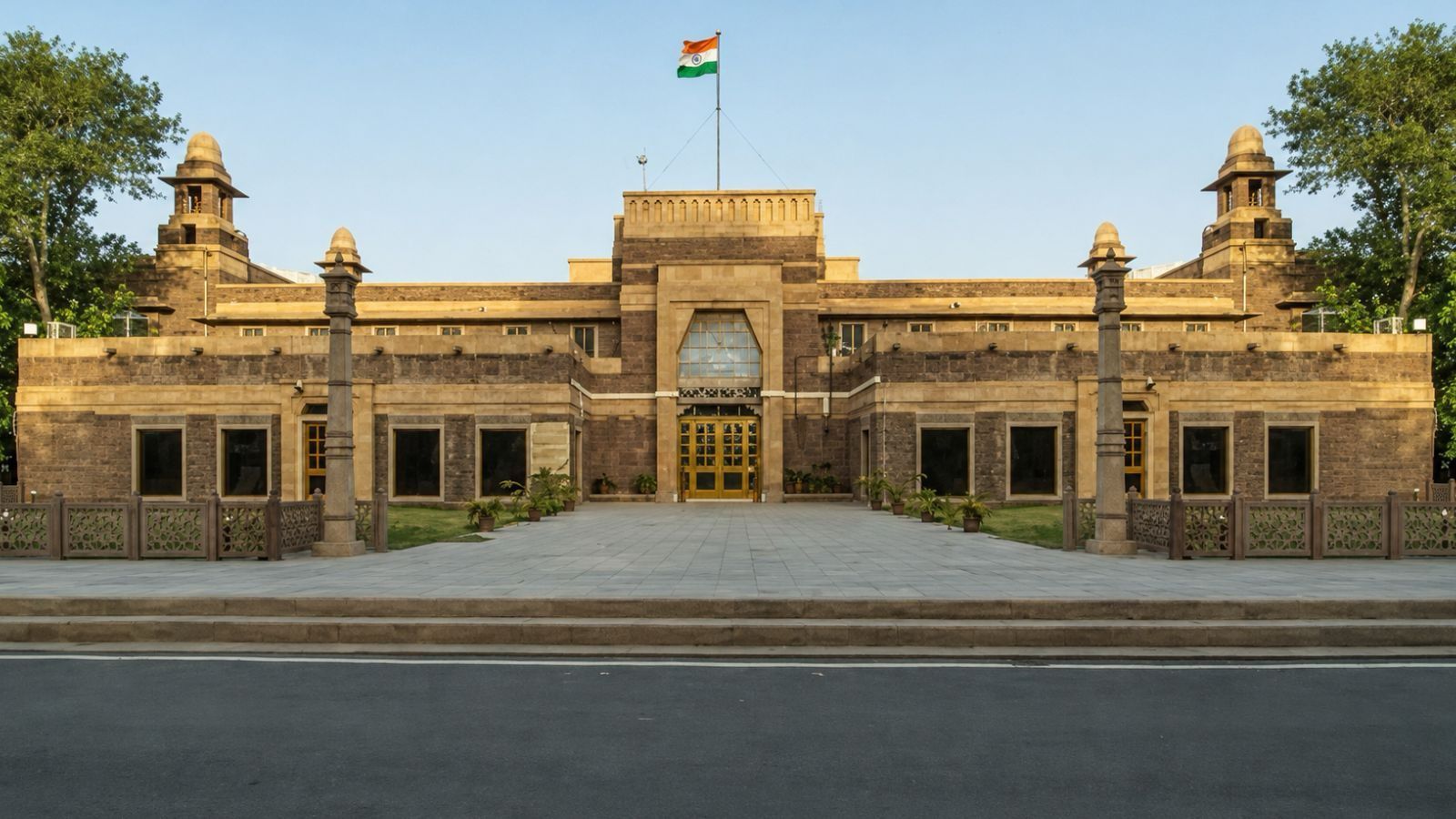
The Rajasthan High Court is looking at ways to make life and education better for three young generations.
It told schools not to sell unhealthy junk food in school or near school gates.
Schools must create groups with teachers, parents and students to check food safety.
Canteens must explain what their food contains and how many calories it has.
The court also wants better teachers, buildings, toilets, water, computers and internet in village schools.
It asked officials to find a strong way to stop examination paper leaks.
The court said children should learn about artificial intelligence but must continue practicing reading, writing and independent thinking.
It also asked governments to study problems such as screen overuse, mental health, jobs, housing and cyber security.
A senior monitoring group will report on progress every three months.

The Rajasthan High Court directed schools to bar high-fat, high-sugar and high-salt foods in canteens and within 50 metres of school gates.
Schools must create nutrition committees within four weeks and display calorie, ingredient and nutritional information within eight weeks.
The court called for stronger measures against paper leaks and action on mental health, digital burnout, jobs, housing, cyber security and AI disruption.
Authorities were directed to improve rural schools through staffing, classrooms, internet, toilets, drinking water, healthcare, safety and sports facilities.
A Chief Secretary-led monitoring cell will review progress quarterly, while district collectors must conduct surprise inspections within eight weeks.
- Who
- The Rajasthan High Court, through a bench led by Justice Anoop Kumar Dhand, directed the Centre, Rajasthan government and relevant departments to respond.
- What
- The court took suo motu cognisance of welfare challenges affecting Gen Z, Gen Alpha and Gen Beta and issued directions on school food, education, infrastructure, paper leaks and digital readiness.
- Where
- The matter is before the Rajasthan High Court in Jodhpur and concerns schools and young people in Rajasthan.
- When
- The directions were reported on August 25 after a Monday hearing; compliance deadlines range from four to eight weeks, with quarterly monitoring.
- Why
- The court cited concerns about unhealthy food, excessive screen use, paper leaks, weak rural-school infrastructure and the effects of technological and social change.
Technology and Modernisation
Balanced and Foundational Learning
Role of artificial intelligence
Technology and Modernisation
Schools should adopt artificial intelligence, digital learning and other modern teaching tools to prepare students for global competition.
Balanced and Foundational Learning
Digital tools should not replace reading, writing, handwriting, note-making, independent thinking or written examinations.
Student representation
Technology and Modernisation
The court identified a need for youth commissions, student unions and youth participation in local governance because students feel policies are made without them.
Balanced and Foundational Learning
The reports do not identify an opposing institutional position, but note that the court’s proposal would require government consideration and action.
Key facts
- HFSS food restriction
- High-fat, high-sugar and high-salt foods, including carbonated drinks, chips and trans-fat-containing bakery products, must not be sold in schools or within 50 metres of school gates.
- Nutrition committees
- Every school must establish a School Food Safety and Nutrition Committee of teachers, parents and student representatives within four weeks.
- Canteen information
- Within eight weeks, canteens must display calorie counts, ingredients and nutritional information and use traffic-light labelling.
- School meals
- Mid-day meals and other nutrition schemes must follow balanced-diet guidelines issued by the Food Safety and Standards Authority of India.
- Food complaints
- A dedicated portal and helpline are to be established for complaints about food-safety violations.
- Rural-school inspections
- District collectors and the Rajasthan State Commission for Protection of Child Rights must conduct surprise inspections of village government schools and report within eight weeks.
- Monitoring
- A monitoring cell headed by the Chief Secretary must review implementation every three months and submit quarterly reports to the court.
Quotes

Rajasthan High Court bench
The High Court bench addressing student representation and participation
“In spite of passing of more than six years since the 2020 Regulations came into force, till date, no effective steps have been taken by the Centre and State Governments for strict implementation…”
 indianexpress.com
“They (students) feel policies are made for them, not with them. (There is a) need for establishment of youth commissions, along with student unions and youth participation in local governance.”
indianexpress.com
Sources


Related news

Rajasthan High Court Bans Junk Food Near Schools

Rajasthan High Court Bans Junk Food Near Schools
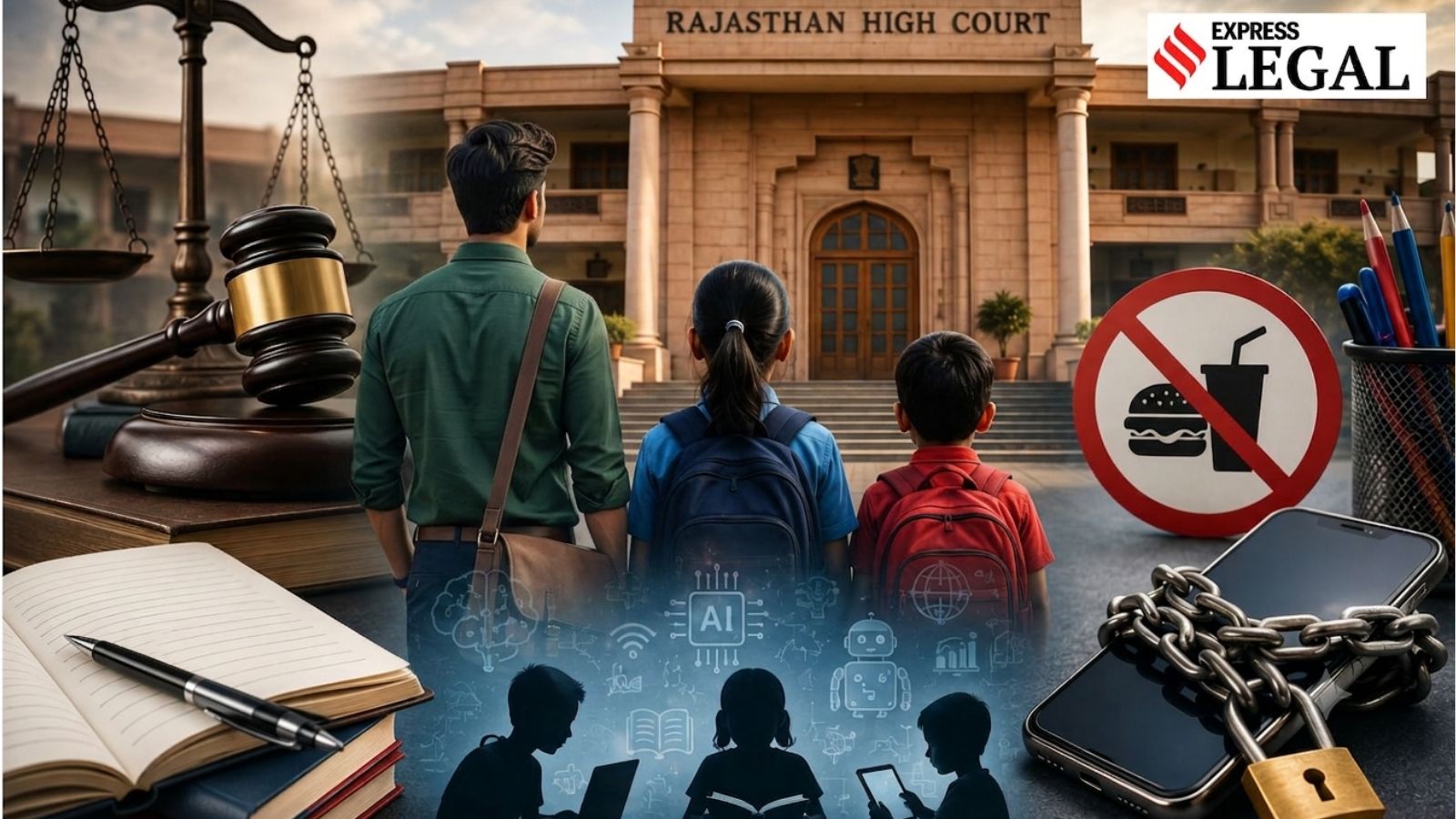
Rajasthan High Court Orders Action to Protect Young Generations

Pune Schools Face Tighter Food Safety Rules, HFSS Ban
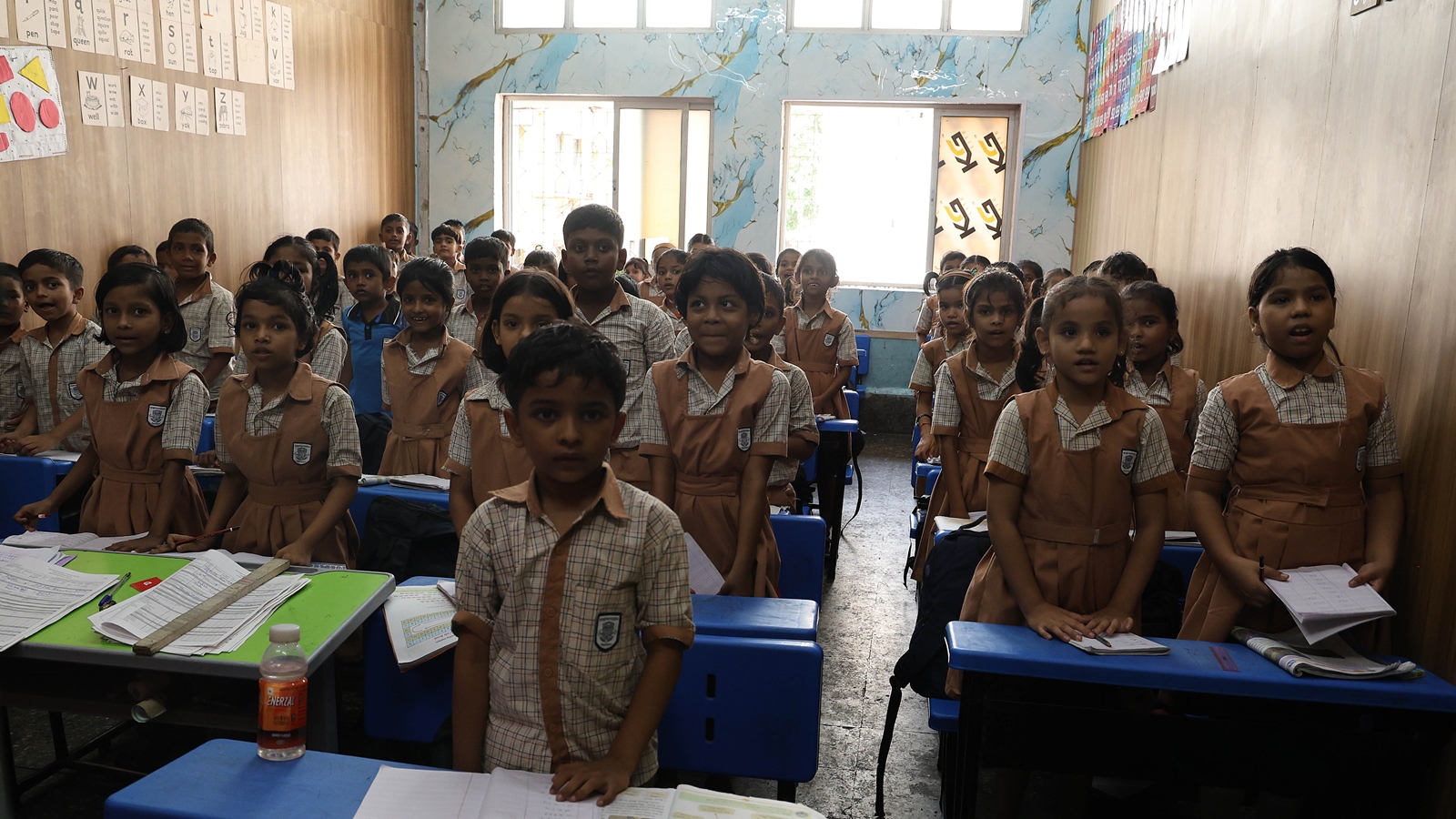
Mumbai Schools Replace Junk Food With Healthier Menus

Nashik CEO Orders Strict Compliance With School Food Safety Regulations
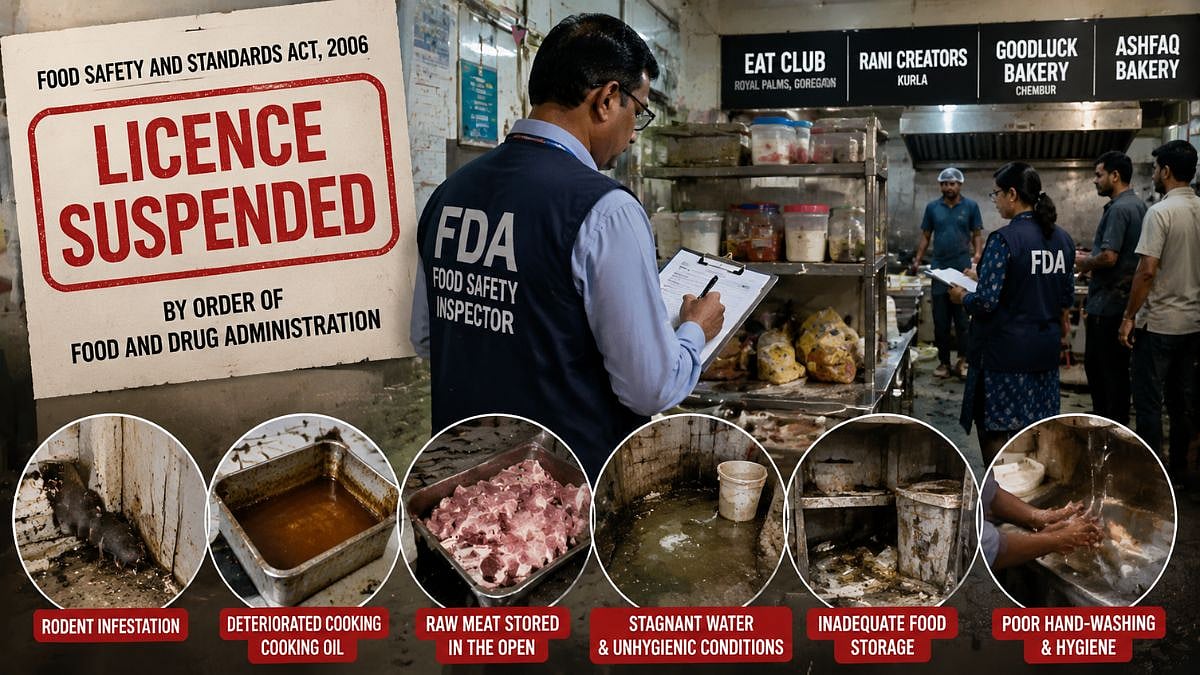
Mumbai FDA Suspends Two Food Licences, Flags Two More
India’s Proposed Food Warning Labels Face Health, Industry Backlash

FSSAI Chief Backs Mundhe’s Maharashtra Food Safety Drive

Egg prices surge 10-50% in six months, consumers concerned about adulteration
Cockroach Allegedly Spotted On Dessert Plate At Virar Restaurant