

1 hr ago
Trump Fails to Secure China Pressure on Iran
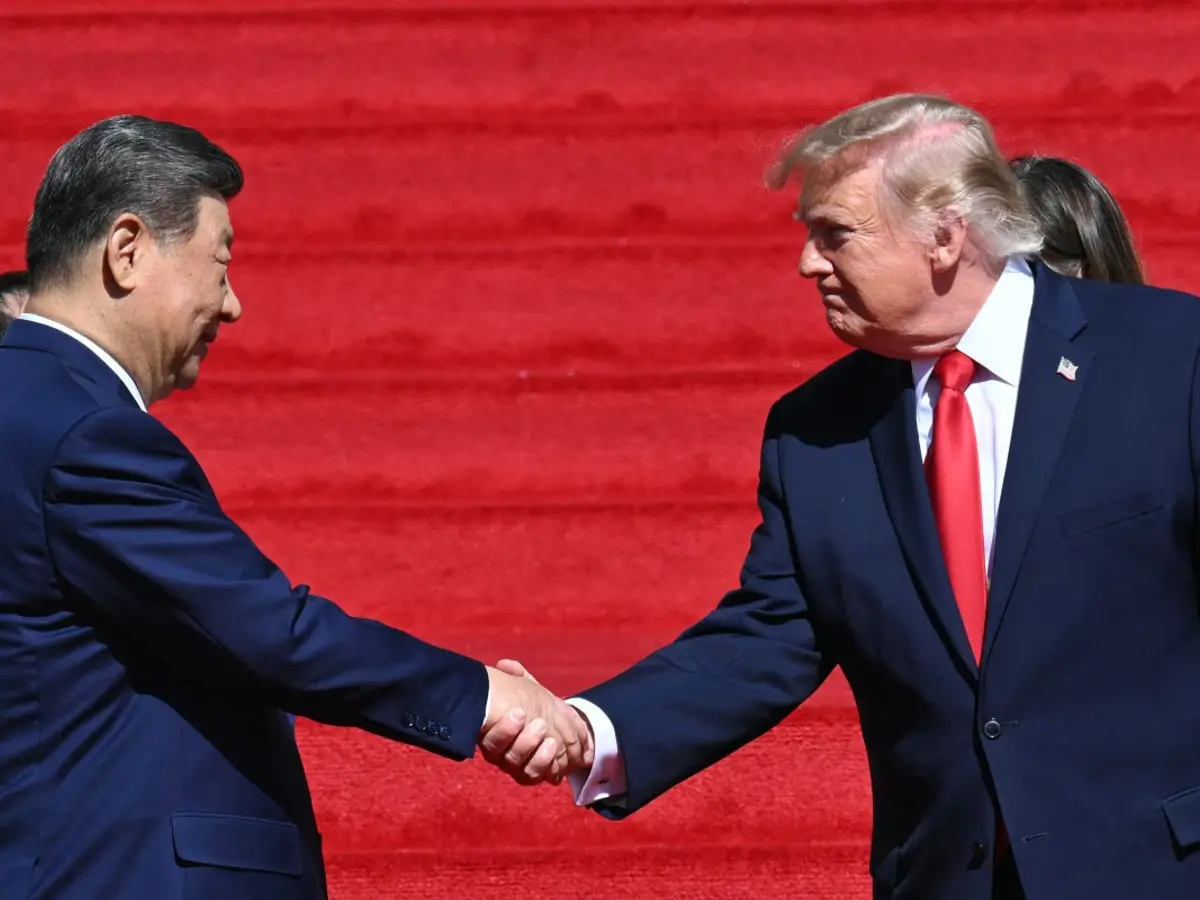
Donald Trump wanted China to pressure Iran during the Iran war.
He also wanted China to help reopen the Strait of Hormuz.
Xi Jinping supported talks between the United States and Iran but did not promise to pressure Iran.
China says it opposes United States sanctions that lack United Nations approval.
China still buys Iranian oil, although its purchases have fallen from last year.
China also continues air connections with Iran.
Trade routes involving China and Russia could help Iran keep trading outside Western-controlled routes.
This means China is cooperating with Washington on talks but not on the broader pressure campaign.

Donald Trump asked Xi Jinping to help end the Iran war and reopen the Strait of Hormuz.
Xi Jinping supported renewed United States-Iran talks but publicly committed to no pressure campaign against Tehran.
Beijing has rejected unilateral United States sanctions and opposed efforts to limit its dealings with Iran.
China remained Iran’s largest oil-revenue source in 2025, despite reducing imports to 534,000 barrels per day in August.
China and Russia vetoed a United States-backed United Nations resolution seeking experts to monitor Iran sanctions compliance.
- Who
- United States President Donald Trump and Chinese President Xi Jinping, with Iran and China central to the dispute.
- What
- Trump sought Chinese help to end the Iran war, reopen the Strait of Hormuz, and reduce support for Tehran, but received no public commitment to do so.
- Where
- The diplomacy concerned Iran, China, the Strait of Hormuz, and trade routes linking China with Iran through Central Asia.
- When
- The leaders met in September; the article also references a United States sanctions campaign launched on August 24, 2026.
- Why
- China has economic and strategic incentives to maintain trade with Iran and opposes what it calls unilateral sanctions lacking international-law or United Nations authorization.
Washington’s Position
Beijing’s Position
Pressure on Iran
Washington’s Position
The United States wants China to stop or limit support involving satellite imagery, targeting assistance, missile and drone components, and sanctioned oil purchases.
Beijing’s Position
China did not publicly agree to curb those forms of support and has continued economic and transport links with Iran.
Sanctions
Washington’s Position
Washington says countries doing business with Iran risk being cut off from the dollar system and says China is not exempt from sanctions.
Beijing’s Position
Beijing rejects unilateral sanctions without international-law or United Nations Security Council authorization.
Trade and strategic interests
Washington’s Position
The United States wants cooperation that could weaken Tehran and reopen the Strait of Hormuz during the war.
Beijing’s Position
China has incentives to protect maritime trade, maintain access to Iranian oil, and develop alternative trade and payment routes less dependent on the United States.
Key facts
- U.S. request
- Trump asked Xi to help end the Iran war, reopen the Strait of Hormuz, and curb support for Tehran.
- China’s public position
- Xi backed renewed United States-Iran dialogue but made no public commitment to pressure Iran.
- Sanctions campaign
- United States Treasury Secretary Bessent launched Operation Economic Outcast on August 24, 2026.
- Iranian oil imports
- China’s Iranian oil imports fell to 534,000 barrels per day in August, compared with 1.4 million barrels per day in 2025.
- China’s 2025 role
- China accounted for more than 90 percent of Iranian oil revenue in 2025, according to the article.
- United Nations vote
- China and Russia vetoed a United States-drafted resolution on monitoring compliance with United Nations sanctions on Iran.
- Air links
- A Mahan Air flight from Tehran landed in Guangzhou after the Trump-Xi summit.
Quotes

Xi Jinping
President of China, whose position on renewed US-Iran talks is quoted in the article.
“China has made clear on many occasions its firm opposition to illicit unilateral sanctions that have no basis in international law or the authorisation of the UN Security Council”
 wionews.com
“will return to the track of resolving issues through dialogue and negotiation as soon as possible.”
wionews.com
Sources
Related news
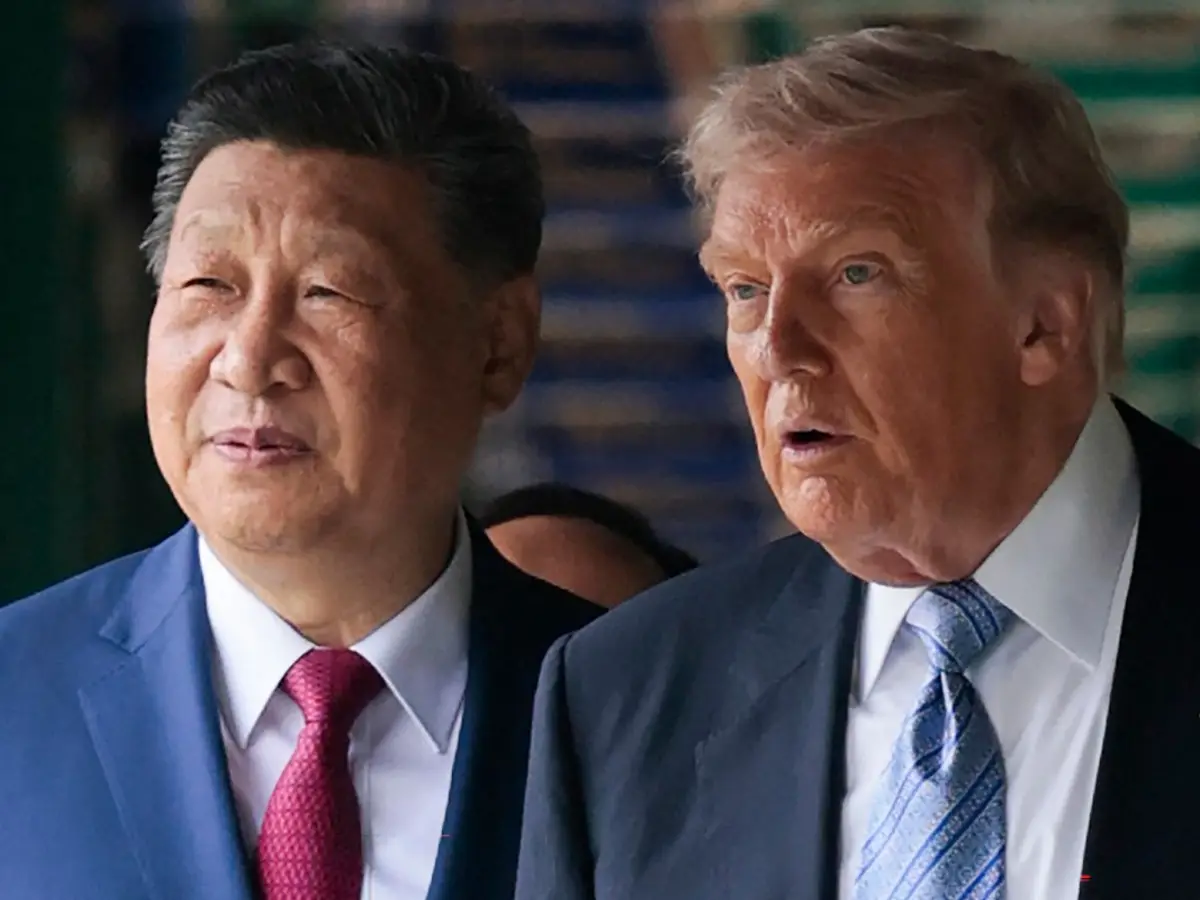
China’s Iran Oil Ties Complicate Trump’s Sanctions Strategy
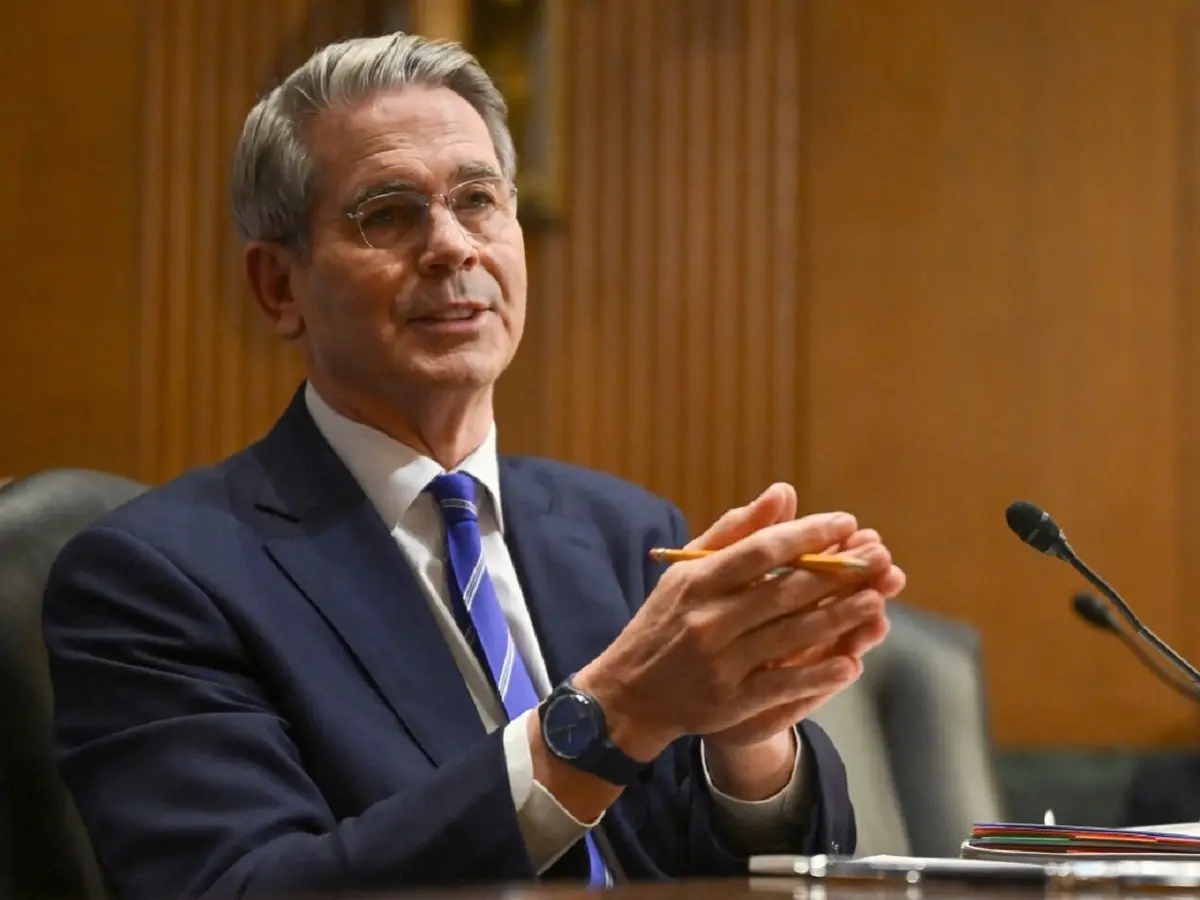
Bessent Says Iran Sanctions Can Work Without China
U.S.-Iran War Stalemate Deepens Amid Sanctions and Strikes
Vance Says China May Help US Isolate Iran Economically

Trump Warns Xi Over Chinese Support for Iran, Receives Assurances
US Sanctions on Iran Shift Pressure Toward China and India
Iran Vows to Fight Back After Trump Rejects Hormuz Plan
Iran Warns of Doomsday War While Keeping Diplomacy Open
Trump Expects Iran Talks Despite Rejecting Tehran’s War Proposal
India's Energy Crisis Exposes Risks And Demands A Transport Revolution
