3 weeks ago
US Tightens Visa Rules, Allows Instant Denial of Incomplete Applications
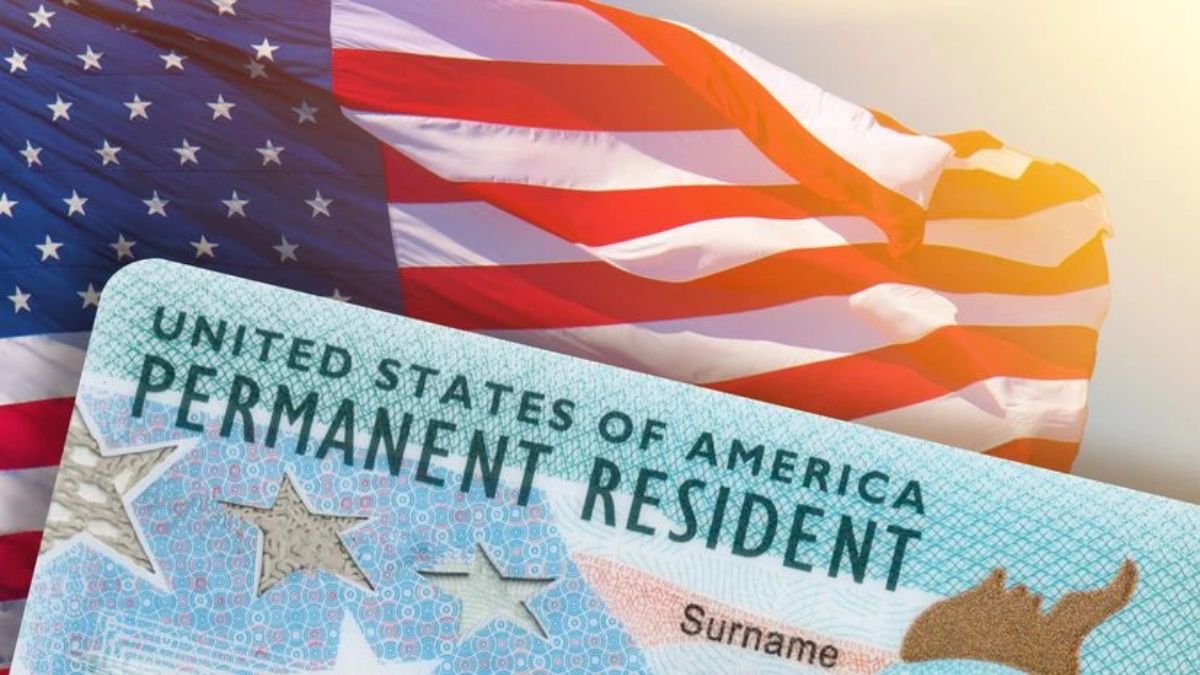
The United States gives some people special permission, called visas and green cards, to visit, work, or live there.
A government agency called USCIS handles these permission requests.
In the past, if someone's papers were not complete, the agency would write back and ask for more information.
Under the new rule, the agency can say no immediately if the application is missing important papers or proof.
This means people must send every required document the first time they apply.
The new rule started on August 5, 2026.
It could affect thousands of people from India who want permission to come to the United States.
The agency says this change makes things faster and stops people from sending unfinished applications.
Some people may worry that this makes it harder to fix small mistakes.

USCIS officers may now deny incomplete or insufficiently documented visa, green card, and other immigration benefit applications without first issuing a Request for Evidence (RFE) or a Notice of Intent to Deny (NOID).
Applicants must demonstrate eligibility and submit all required initial evidence at the time of filing.
The policy took effect immediately and applies to benefit requests pending or filed on or after August 5, 2026.
The new guidance reverses a Biden administration policy that encouraged officers to issue RFEs before denying incomplete applications.
USCIS said the change could impact thousands of Indian applicants and makes it harder to file frivolous or 'placeholder' requests.
- Who
- US Citizenship and Immigration Services (USCIS), operating under the Department of Homeland Security (DHS), and immigration applicants, including thousands of Indian applicants.
- What
- USCIS tightened immigration benefit processing rules, allowing officers to deny incomplete or insufficiently documented visa, green card, and other immigration benefit applications without first seeking additional evidence.
- Where
- United States; the policy was announced in Washington, DC.
- When
- Effective immediately; applies to benefit requests pending or filed on or after August 5, 2026.
- Why
- To strengthen the integrity of the immigration system, speed up decision-making, allocate resources efficiently, and deter frivolous or 'placeholder' filings.
Key facts
- Agency
- US Citizenship and Immigration Services (USCIS)
- Policy change
- Officers may deny incomplete applications without issuing a Request for Evidence (RFE) or Notice of Intent to Deny (NOID)
- Effective date
- August 5, 2026 (pending or newly filed requests)
- Previous policy
- Biden administration encouraged RFEs before denial
- Affected applications
- Visas, green cards, H-1B and other temporary worker petitions, work permits, naturalization, and other USCIS-handled benefits
- Stated impact
- Could affect thousands of Indian applicants
- Rationale
- Faster decisions, efficient resource use, prevention of meritless and 'placeholder' filings
- Parent department
- Department of Homeland Security (DHS)
Quotes
US Citizenship and Immigration Services (USCIS)
U.S. federal agency responsible for citizenship and immigration services
“The new policy took effect immediately and applies to immigration benefit requests pending or filed on or after August 5, 2026, unless otherwise provided under existing regulations or USCIS policy.”
 m.rediff.com
“"restore integrity to the immigration system"”
 financialexpress.com
Sources
US empowers USCIS to reject visa, green card and H-1B filings without any second chance – Explained
US Tightens Immigration Benefit Processing Rules, Allows USCIS to Deny Incomplete Visa, Green Card Applications Without Seeking Additional Evidence
US Tightens Rules for Visa, Green Card Applications
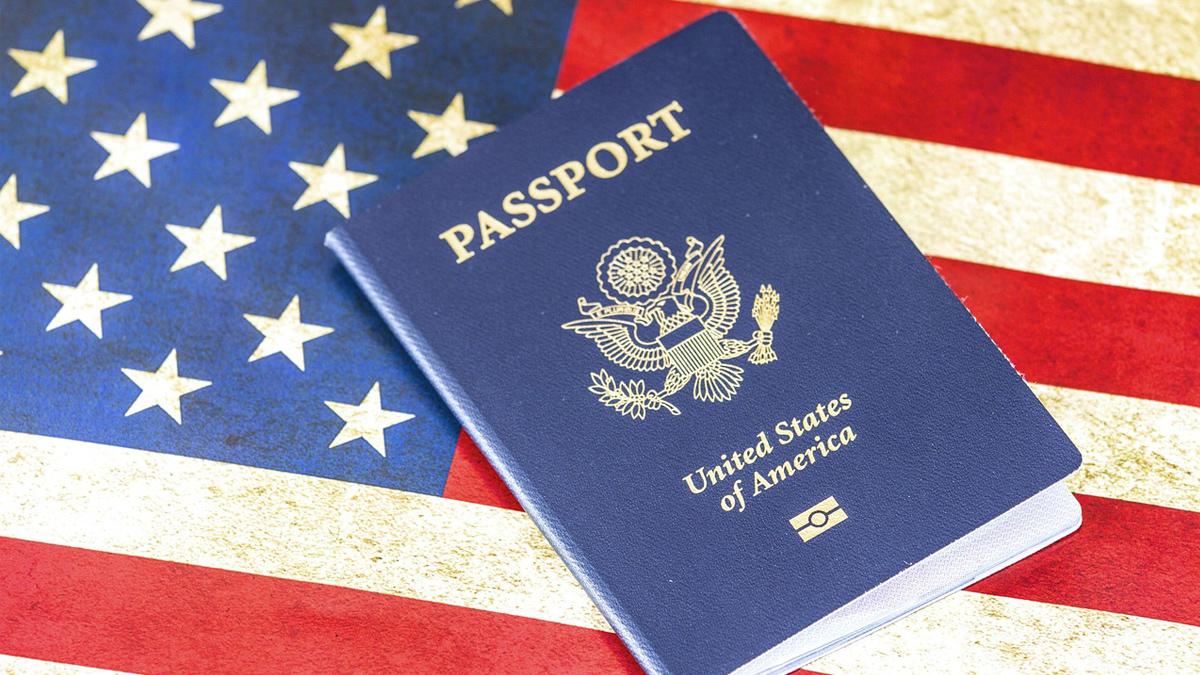
US tightens visa rules, allows instant rejection of...
Related news

US Tightens Green Card Rules, Allows Denials Without Evidence Requests
USCIS restores officers' discretion to deny incomplete immigration requests
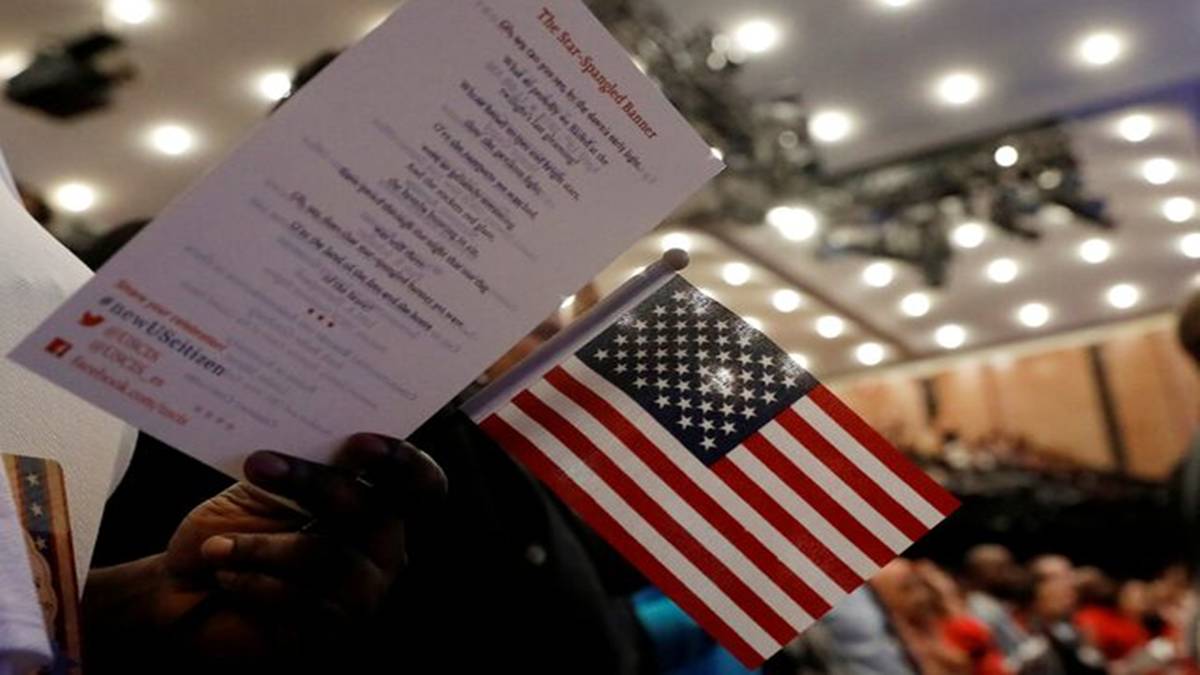
USCIS now rejects incomplete immigration filings without evidence requests
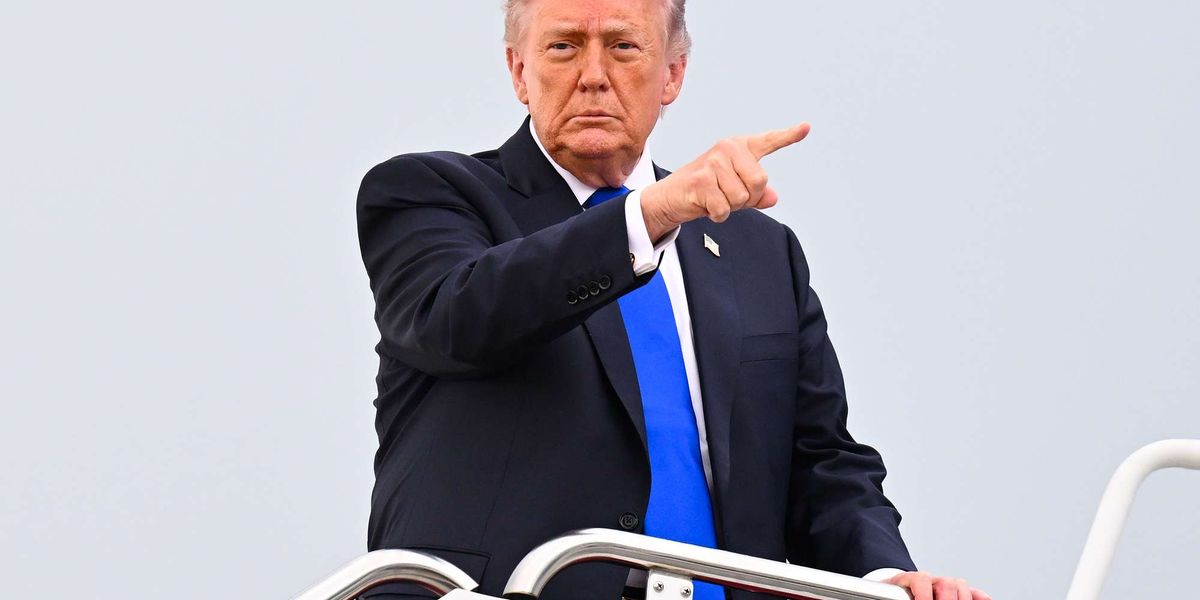
Trump Administration Pauses Global Immigrant Visa Interviews Amid Crackdown
US Court Ends Trump Visa Pause Affecting 75 Countries
USCIS makes online filing mandatory for green card, citizenship applications

H-1B Grace Period Could End After US Layoffs
US Considers Ending H-4 Spouse Work Permits, Indians Hit Hardest
Trump Administration Tightens Scrutiny of Foreign Student Internships

Trump Administration Tightens Scrutiny of International Student Internships

ICE Awards $16.7 Million Contract for Electric Shock Gloves