

1 week ago
Trump Administration Pauses Global Immigrant Visa Interviews Amid Crackdown
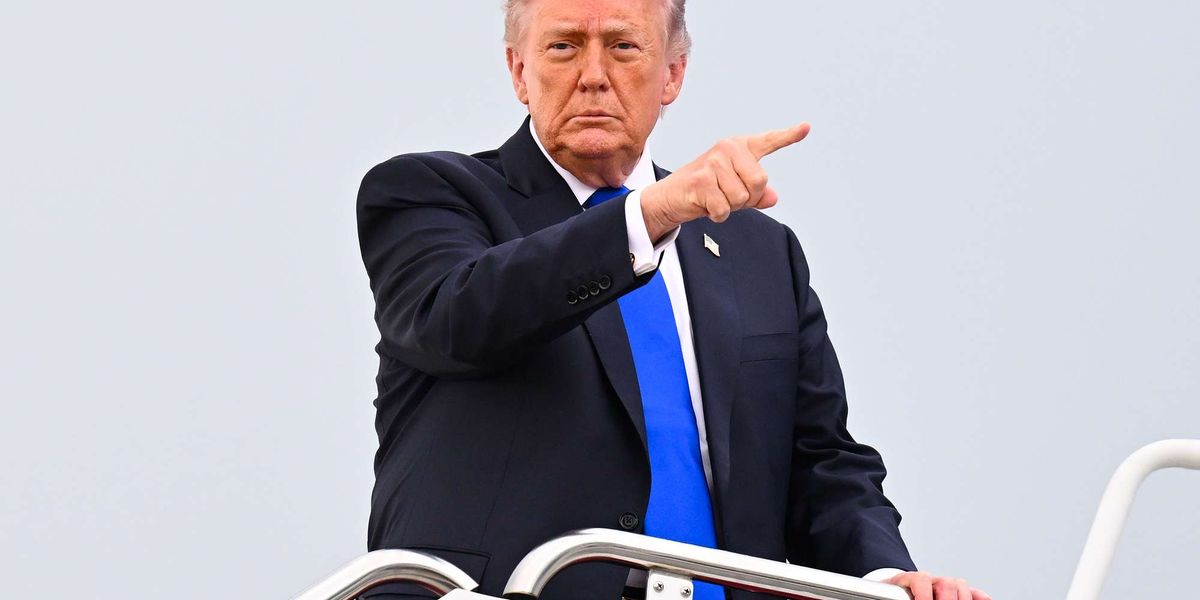
The United States has temporarily paused many interviews for people who want immigrant visas.
These visas are for people who hope to live permanently in the country.
People with scheduled interviews were told that their appointments would be moved to a later date.
The State Department says it is training visa officers around the world.
Officers will look closely at whether applicants might depend mainly on government financial help.
US officials call someone who may rely heavily on public assistance a “public charge.”
The pause is part of the Trump administration’s larger effort to tighten immigration rules.
A federal judge recently rejected a related policy covering applicants from 75 countries.
The administration has also proposed a $103,265 fee for new H-1B visas.

The Trump administration has paused immigrant visa appointments at US embassies and consulates worldwide.
Applicants with scheduled interviews were told by email that their appointments would be rescheduled.
The State Department says global training will help officers assess applicants comprehensively and consistently.
The screening focuses on applicants who may become primarily dependent on US public benefits, or a “public charge.”
The pause follows a proposed $103,265 H-1B fee and a federal ruling against a related 75-country visa policy.
- Who
- The Donald Trump administration and the United States Department of State are pausing and rescheduling immigrant visa appointments.
- What
- Immigrant visa interviews worldwide have been paused or adjusted while consular officers receive training on public-benefit and public-charge screening.
- Where
- US embassies and consulates worldwide.
- When
- The pause was reported after a global training initiative launched in August; the H-1B fee was proposed on Monday, and the related 75-country policy was struck down on Friday.
- Why
- The State Department says the training will help officers consistently identify applicants who may become primarily dependent on US public benefits.
Administration’s stated rationale
Legal and civil-rights concerns
Public-benefit screening
Administration’s stated rationale
The State Department says applicants should not be likely to become primarily dependent on public benefits reserved for qualified Americans, and that training will make reviews comprehensive and consistent.
Legal and civil-rights concerns
The policy has drawn criticism from human rights groups, which say the broader immigration crackdown is discriminatory and threatens due-process and free-speech rights.
Authority for visa restrictions
Administration’s stated rationale
The administration has pursued tighter entry and immigration rules as part of its stated effort to improve domestic security and limit access to public benefits.
Legal and civil-rights concerns
A federal judge ruled that the related policy covering applicants from 75 countries was contrary to law and exceeded Secretary of State Marco Rubio’s statutory authority.
Key facts
- Affected process
- Immigrant visa appointments and interviews at US embassies and consulates worldwide
- Applicant notification
- Applicants with scheduled interviews received emails saying their appointments would be rescheduled
- Screening focus
- Whether applicants may become primarily dependent on US public benefits or be considered a public charge
- Training initiative
- The State Department launched global training for consular officers in August
- Proposed H-1B fee
- The administration proposed a $103,265 application fee for new H-1B visas
- H-1B distribution
- Indians accounted for 71% of H-1B visas issued in financial year 2023–24
- Related court ruling
- A federal judge struck down a policy that would have suspended immigrant visas for applicants from 75 countries
Quotes
US State Department spokesperson
A spokesperson for the United States Department of State.
“A more prosperous America means ensuring that visa applicants are not likely to become a public charge, as defined under US law and regulation, and not likely to become dependent on US public benefits reserved for qualified Americans in need.”
 telegraphindia.com
 easterneye.biz
“ensure all consular officers are fully equipped to evaluate every visa applicant comprehensively and consistently.”
easterneye.biz
Sources
Related news
U.S. Pauses Worldwide Immigrant Visa Interviews Amid Tougher Screening
US Pauses Worldwide Visa Appointments Amid Trump Immigration Crackdown
US Pauses Visa Appointments Worldwide Amid Trump Immigration Crackdown
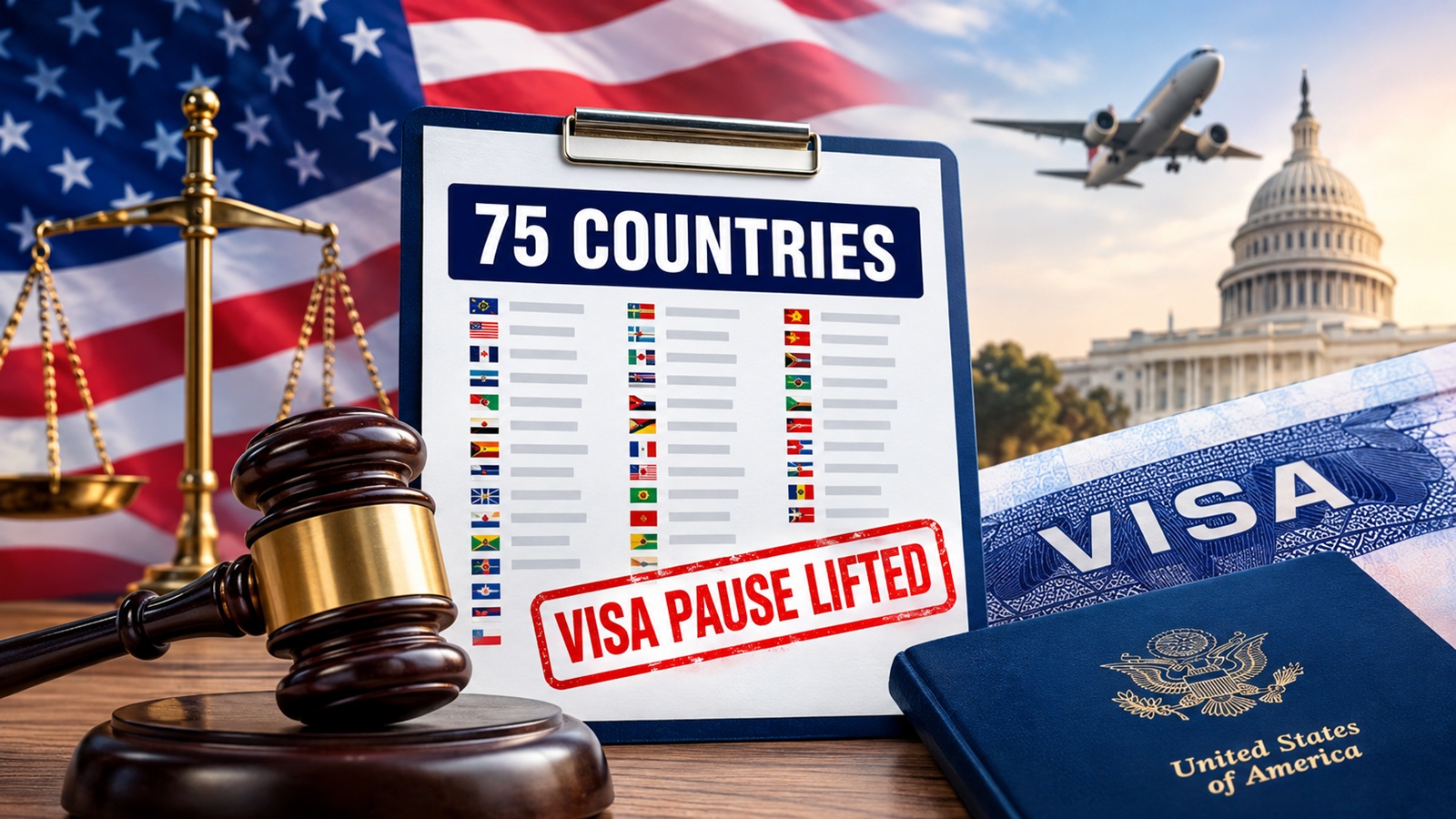
US Court Ends Trump Visa Pause Affecting 75 Countries
Trump’s Immigrant Visa Pause Expands Scrutiny of Legal Entrants
US Warns Middle East Travelers Amid Escalating Iran-Linked Tensions

Family Seeks US Intervention Over VanDyke Detention in Delhi
Trump Seeks Parental Status Proof for Children’s Passports

Debt, Not Inflation, Is Driving the Bond Selloff
