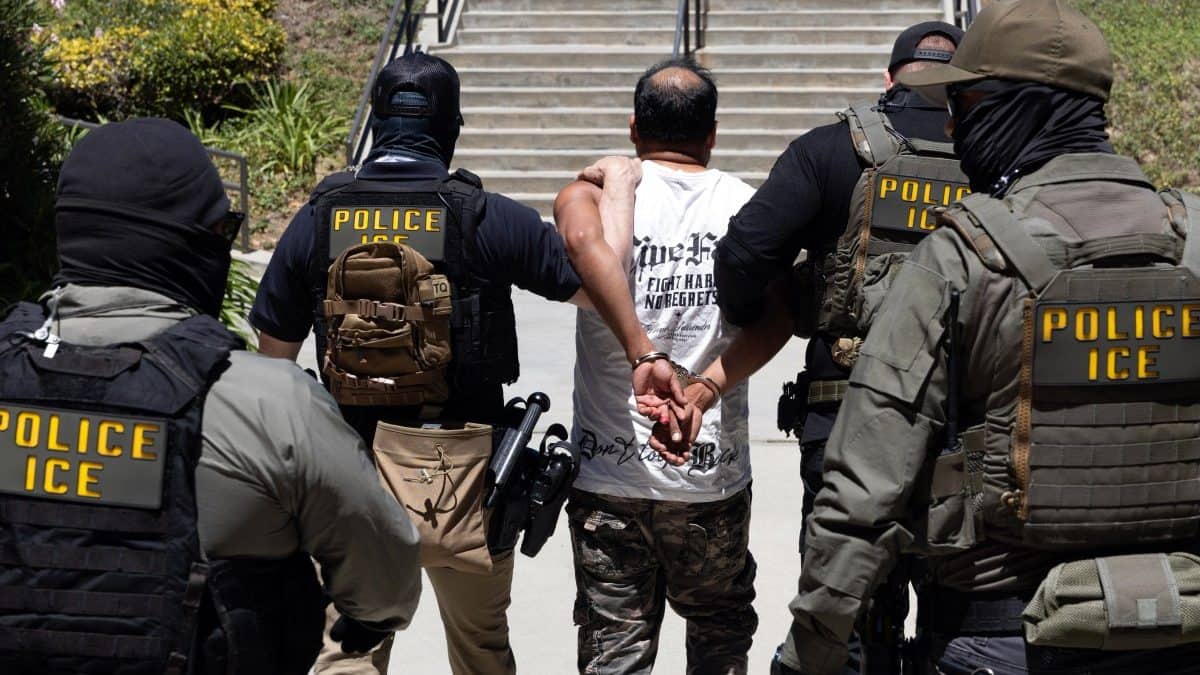
6 days ago
USCIS Revives Neighborhood Investigations for U.S. Citizenship Applicants
USCIS is checking citizenship applications more closely.
One part of the check is called a neighborhood investigation.
An investigator may talk to people who know the applicant, such as neighbors, landlords, or coworkers.
These people are asked about facts they personally know, not rumors.
USCIS may review where the applicant lived, worked, studied, and traveled.
It can also examine family information, criminal history, finances, and community reputation.
The review usually covers the five years before the application, but it can cover more time in some cases.
Applicants generally should not assume they are in trouble because this is a normal part of the citizenship process unless it is waived.

USCIS has resumed personal, or neighborhood, investigations for naturalization applicants.
Investigators may interview neighbors, landlords, coworkers, employers, and community representatives.
The review generally covers the five years before Form N-400 was filed, but may go further.
Investigators assess identity, residence, conduct, moral character, community ties, and credibility.
The process normally occurs before the naturalization interview and applies to applicants unless waived.
- Who
- U.S. Citizenship and Immigration Services and people applying for U.S. citizenship through naturalization.
- What
- USCIS is conducting or reinforcing neighborhood investigations to corroborate naturalization applicants' information and eligibility.
- Where
- Investigations may involve the applicant's residence, workplace, business, or other locations connected to their history in the United States.
- When
- The investigations generally occur after Form N-400 is filed and before the naturalization interview; USCIS issued a related policy alert earlier this week and a similar alert last year.
- Why
- USCIS says the investigations help confirm identity, documentation, conduct, residence, moral character, community ties, and other naturalization requirements.
Key facts
- Agency
- U.S. Citizenship and Immigration Services (USCIS)
- Application
- Application for Naturalization, Form N-400
- Typical review period
- At least the five years immediately before the application was filed
- Possible interviewees
- Neighbors, landlords, employers, coworkers, local business owners, and homeowners association representatives
- Information reviewed
- Residence, employment, family status, travel, criminal history, reputation, financial obligations, and community ties
- Witness evidence
- Statements should be based on personal knowledge and should not rely on speculation or hearsay
- Applicant concern
- The article states that the process generally applies to all naturalization applicants unless waived and does not by itself indicate wrongdoing
Quotes
USCIS Policy Manual
Official USCIS guidance describing standards for evaluating witness testimony during personal investigations.
“An investigator must ensure that witness testimony is truthful and does not contain distorted information due to prejudice, dislike, hatred for a person or group of people, race, organization, principle, political leanings, social or economic status, preconceived opinions and judgments, strong emotions, poor memory or gaps in sense perception.”
 financialexpress.com
Sources
Related news
US Citizenship Becomes Costlier and Harder for Green Card Holders
Trump Admin Expands Social Media Checks for Foreign Journalist Visas

Reported US Plan to Vet Foreign Journalists' Social Media for Visas
Trump Seeks Parental Status Proof for Children’s Passports

Indian-Origin Man Faces US Citizenship Loss Over Identity Fraud
US Tightens Visa Rules, Allows Instant Denial of Incomplete Applications

H-1B Grace Period Could End After US Layoffs
US Considers Ending H-4 Spouse Work Permits, Indians Hit Hardest
Trump Administration Tightens Scrutiny of Foreign Student Internships

Trump Administration Tightens Scrutiny of International Student Internships