3 weeks ago
USCIS now rejects incomplete immigration filings without evidence requests
There is a government office in the United States called USCIS that decides who can come to live or work in the country.
It just changed its rules.
Before, if someone sent in a form with missing papers, the office would ask them for more proof before saying no.
Now, the office can say 'no' right away if the form is not complete.
This means people must be extra careful to send all their papers at the very beginning.
The new rules also give less time to fix mistakes — about 12 weeks for one kind of notice and only 30 days for another.
This affects workers on H-1B visas, who can lose their job and only have 60 days to find a new one.
Some of them tried switching to a visitor visa to stay longer while looking for work.
That trick is now much riskier because officials may think they never really planned to be visitors.
The office says the change helps make the line move faster for everyone.
But immigration lawyers say it makes things harder and less fair for people applying.

On August 5, 2026, USCIS announced officers may immediately deny immigration benefit requests if required initial evidence is missing, without first issuing a Request for Evidence (RFE) or Notice of Intent to Deny (NOID).
The policy reverses a Biden-era approach that encouraged officers to ask for more evidence before denying incomplete applications.
Under the new rules, applicants have a maximum of 12 weeks to respond to an RFE and no more than 30 days to respond to a NOID.
USCIS says the update stops 'frivolous' or 'placeholder' filings that slow the system, while immigration attorneys warn it removes a safety net that let applicants fix weak filings.
Laid-off H-1B holders using the B-1/B-2 change-of-status 'bridge' strategy face closer scrutiny, including the 'preconceived intent' doctrine, and a higher risk of outright denial.
- Who
- US Citizenship and Immigration Services (USCIS) and immigration applicants, particularly laid-off H-1B visa holders
- What
- A policy update allowing USCIS officers to deny immigration benefit requests immediately without first issuing an RFE or NOID when initial evidence is missing
- Where
- United States
- When
- August 5, 2026
- Why
- USCIS says the change prevents 'frivolous' or 'placeholder' filings that slow down the system for everyone else
Immigration attorneys and applicants
USCIS and policy proponents
Immediate denials without RFE/NOID
Immigration attorneys and applicants
Removes the safety net that gave applicants a chance to fix incomplete filings before rejection, leaving less room for error and fewer opportunities to course-correct.
USCIS and policy proponents
Helps stop 'frivolous' or 'placeholder' filings that slow down the system and lets applicants collect benefits like work permits while cases remain pending.
Scrutiny of the B-2 'bridge' strategy for laid-off H-1B holders
Immigration attorneys and applicants
Switching to a B-1/B-2 visitor visa is a standard planning tool that legally lets laid-off workers stay beyond 60 days while job hunting; 'preconceived intent' reasoning and heavier RFE/NOID scrutiny make it risky.
USCIS and policy proponents
B-1/B-2 status demands genuinely temporary visitor intent, and increased scrutiny ensures it is not used as a stepping stone to continued employment in the US.
Key facts
- Policy rollout date
- August 5, 2026
- Agency
- US Citizenship and Immigration Services (USCIS)
- Key change
- Officers may deny benefit requests without RFE or NOID if required initial evidence is not submitted
- RFE response limit
- Maximum 12 weeks
- NOID response limit
- Maximum 30 days
- Prior policy
- Biden-era guidance pushed officers to request more evidence before denial
- Affected group
- Laid-off H-1B holders with a 60-day grace period
- Change-of-status form
- Form I-539 (B-1/B-2 visitor visa)
Sources
Related news
US Tightens Visa Rules, Allows Instant Denial of Incomplete Applications
USCIS restores officers' discretion to deny incomplete immigration requests

US Tightens Green Card Rules, Allows Denials Without Evidence Requests

US mulls ending 60-day grace period for H-1B workers
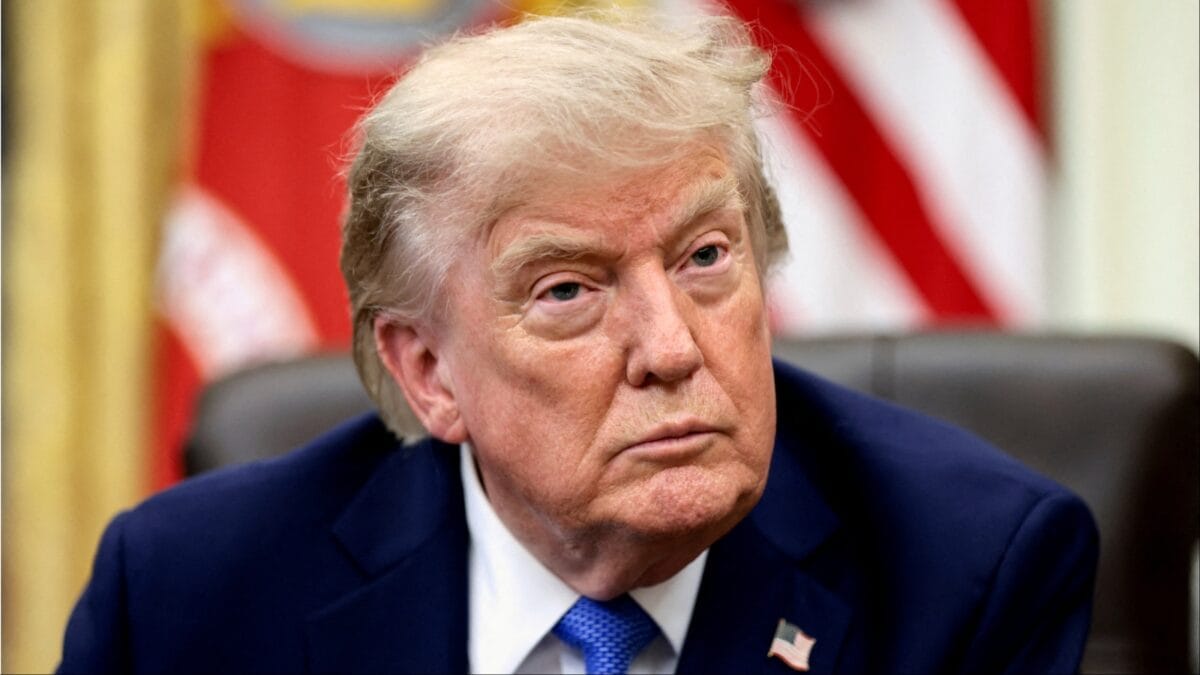
Trump Administration Proposal Could End H-1B Grace Period

H-1B Grace Period Could End After US Layoffs

H-1B Visa Holder Leaves US To Rejoin Family
US H-1B Wage Proposal Could Reshape Opportunities For Indian Professionals

UPSC International Relations Quiz Covers Geography Visas Energy
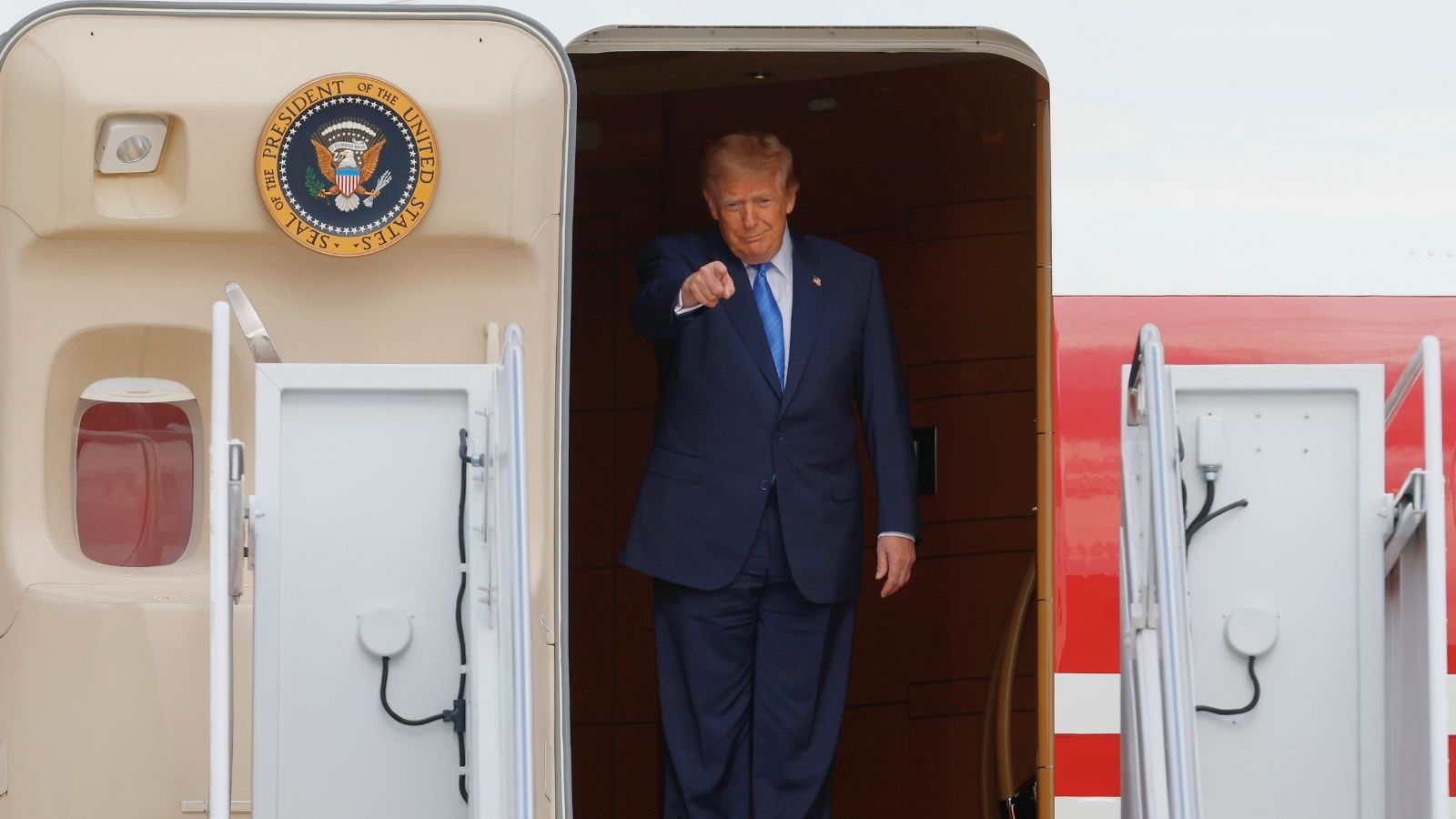
Trump White House Clears Plan Ending H-1B Grace Period