

1 week ago
Political Parties Turn Social Media Into Gen Z Election Battlefield

Political parties in India are using the internet more heavily to attract voters.
They want their messages, videos and protests to receive many views and likes.
Young people, especially Gen Z and Gen Alpha, are a major focus.
These young voters have grown up with smartphones and social-media platforms.
Opposition parties are competing with the ruling coalition and with one another for their attention.
The article describes protests and school visits as attempts to create viral stories.
It also says Rahul Gandhi’s police-station protest received significant attention.
Parties hope that being noticed online will influence how people vote in future elections.

Indian political parties are reshaping campaign strategies around social-media narratives, influencers, views and viral content.
The article says parties are targeting Gen Z and Gen Alpha ahead of elections expected across 2027-29, including the 2029 Lok Sabha polls.
Congress, the Aam Aadmi Party, the Samajwadi Party and the Bharatiya Janata Party are competing for youth attention, including within the Opposition camp.
The article highlights the AAP-backed Cockroach Janata Party’s protest at Jantar Mantar and its “School Thik Karo” campaign as examples of attention-driven activism.
Rahul Gandhi’s six-hour August 21 sit-in over alleged pellet-gun injuries to a student protester also generated substantial television and social-media attention.
- Who
- Indian political parties, including the Indian National Congress, Aam Aadmi Party, Samajwadi Party and Bharatiya Janata Party, along with their leaders, strategists and influencers.
- What
- Political parties are intensifying social-media campaigning and competing to shape narratives that could influence young voters.
- Where
- India, including social-media platforms and events in New Delhi, Maharashtra and Rajasthan.
- When
- The strategy is being developed for the 2027-29 election period; the article also cites events on July 20 and August 21, with no year specified for those dates.
- Why
- Parties want to reach Gen Z and Gen Alpha, expand their public visibility and influence votes in upcoming state and Lok Sabha elections.
Opposition parties
Ruling coalition
Election objective
Opposition parties
The Opposition is described as seeking to challenge the government, reduce the ruling coalition’s dominance and build influence among younger voters.
Ruling coalition
The ruling coalition is described as seeking continuity and to demonstrate that its governing strategy has been successful.
Youth outreach
Opposition parties
Congress, the Aam Aadmi Party, the Samajwadi Party and other Opposition groups are increasing social-media activity and using influencers to attract Gen Z and Gen Alpha.
Ruling coalition
The government side is also reviewing ministers’ digital reach and urging them to communicate more effectively with young audiences.
Opposition unity
Opposition parties
Opposition parties are attempting to present a united front but are also competing to become the leading force against the Bharatiya Janata Party-led government.
Ruling coalition
The article presents this internal Opposition competition as potentially weakening or complicating its broader challenge to the ruling coalition.
Key facts
- Election horizon
- The article identifies the 2027-29 period, including elections in about seven states and ultimately the Lok Sabha polls.
- Primary audience
- Gen Z, broadly described as people born between 1997 and 2012, and Gen Alpha.
- Social-media reach
- India is described as having more than 50 crore active social-media users.
- Platforms mentioned
- Instagram, Meta and X.
- Highlighted protest
- A Cockroach Janata Party protest was held at Jantar Mantar in New Delhi.
- Congress action
- Rahul Gandhi held a six-hour sit-in outside a Delhi police station on August 21 over an alleged student protest injury.
- Government response
- The article says social-media reach of Union ministers was discussed at a Cabinet meeting, with ministers urged to reach more young people.
Sources
Related news

Gen Z Becomes Political Battleground Ahead of 2029 Elections
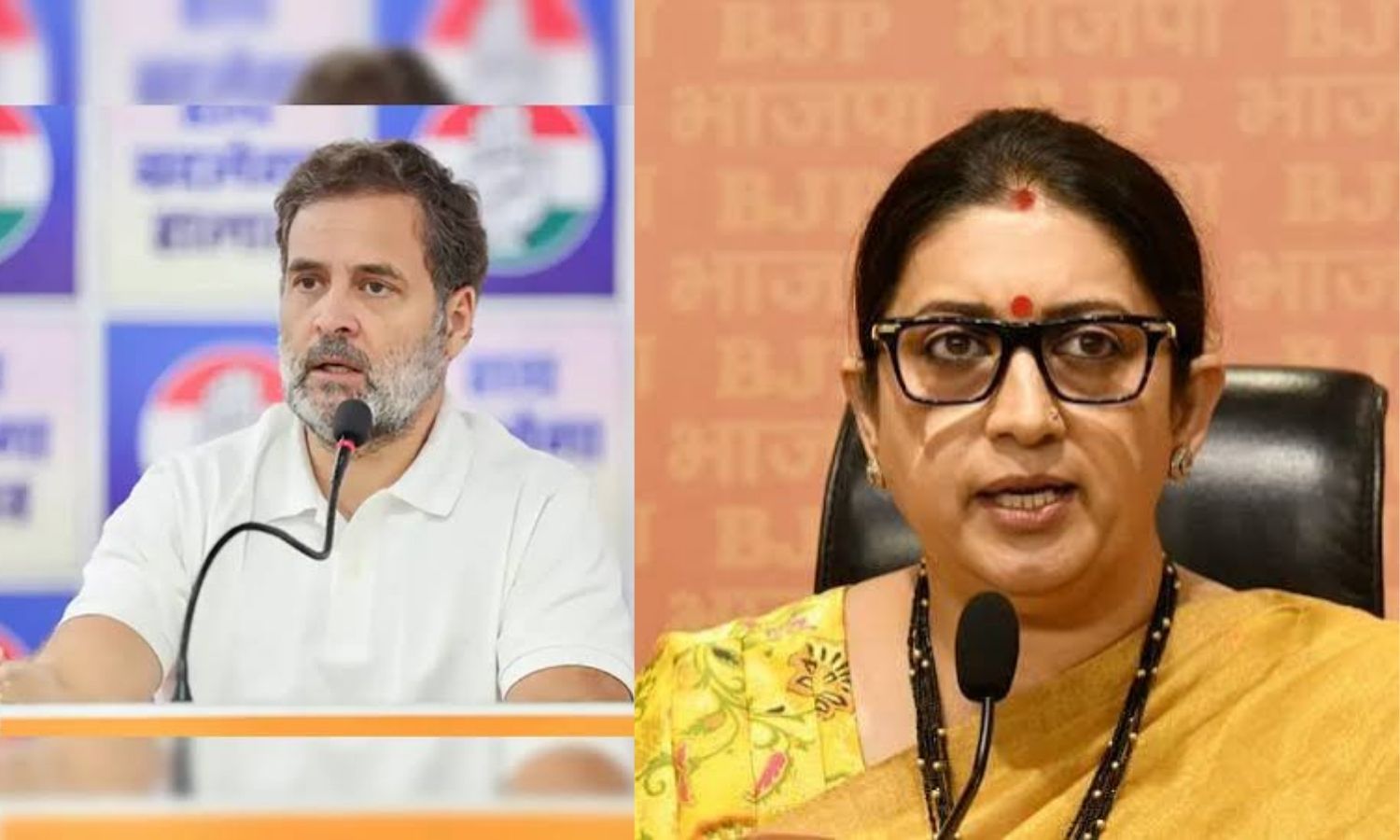
Rahul Gandhi Gains Ground as BJP Struggles with Youth Anger
BJP's New IT Cell Chief Deepak Mhaskey Prioritizes Instagram Reels

Will India's Gen Z Voters Shape the 2029 Election?
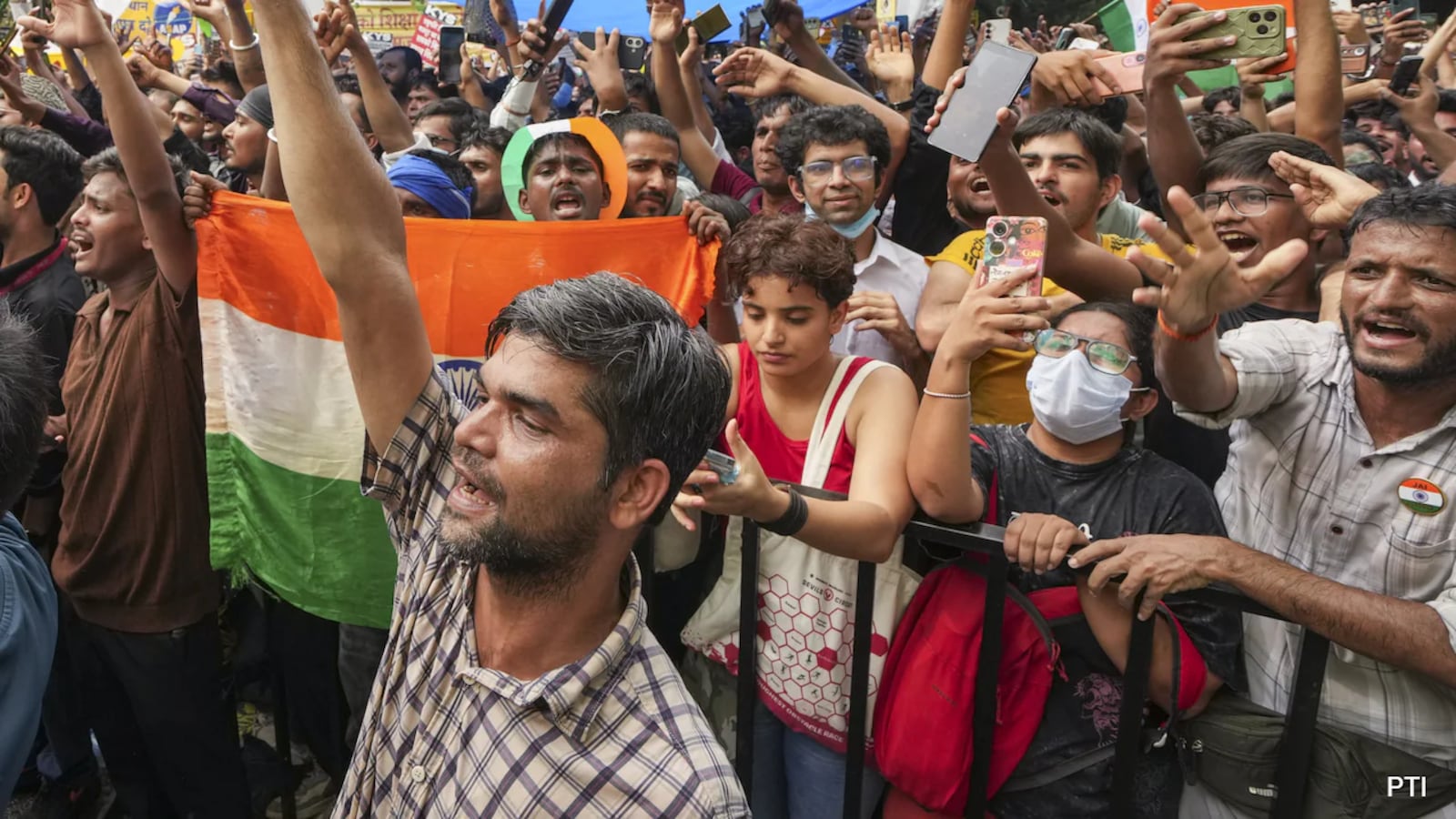
India’s Parties Court Gen Z After Youth Protests
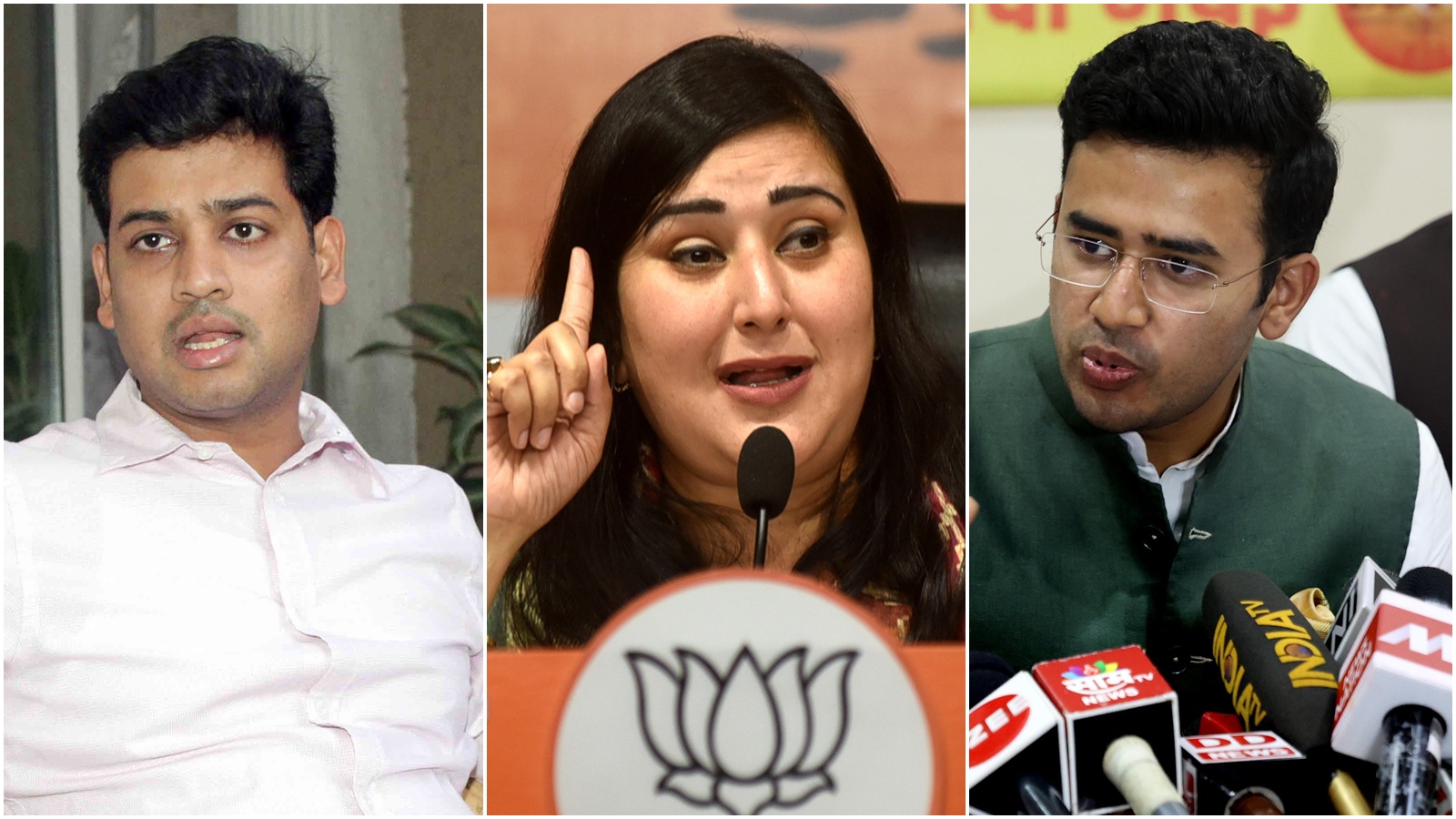
BJP's Gen Z Charm Offensive Follows Jantar Mantar Protest Crisis
BJP MLA Anil Sharma Dies After Prolonged Illness, Yogi Mourns
India’s Global Power Ambitions Face Economic and Democratic Setbacks
Sonia Gandhi Memoir Sparks Debate Over Politics, Publishing And Speech

Rajasthan BJP Promises Early Disturbed Area Law Enforcement

Punjab Police, ED Clash Over Alleged Transfer-Posting Network
