1 hr ago
India Needs Efficient Foreign Capital, Not Simply More Inflows
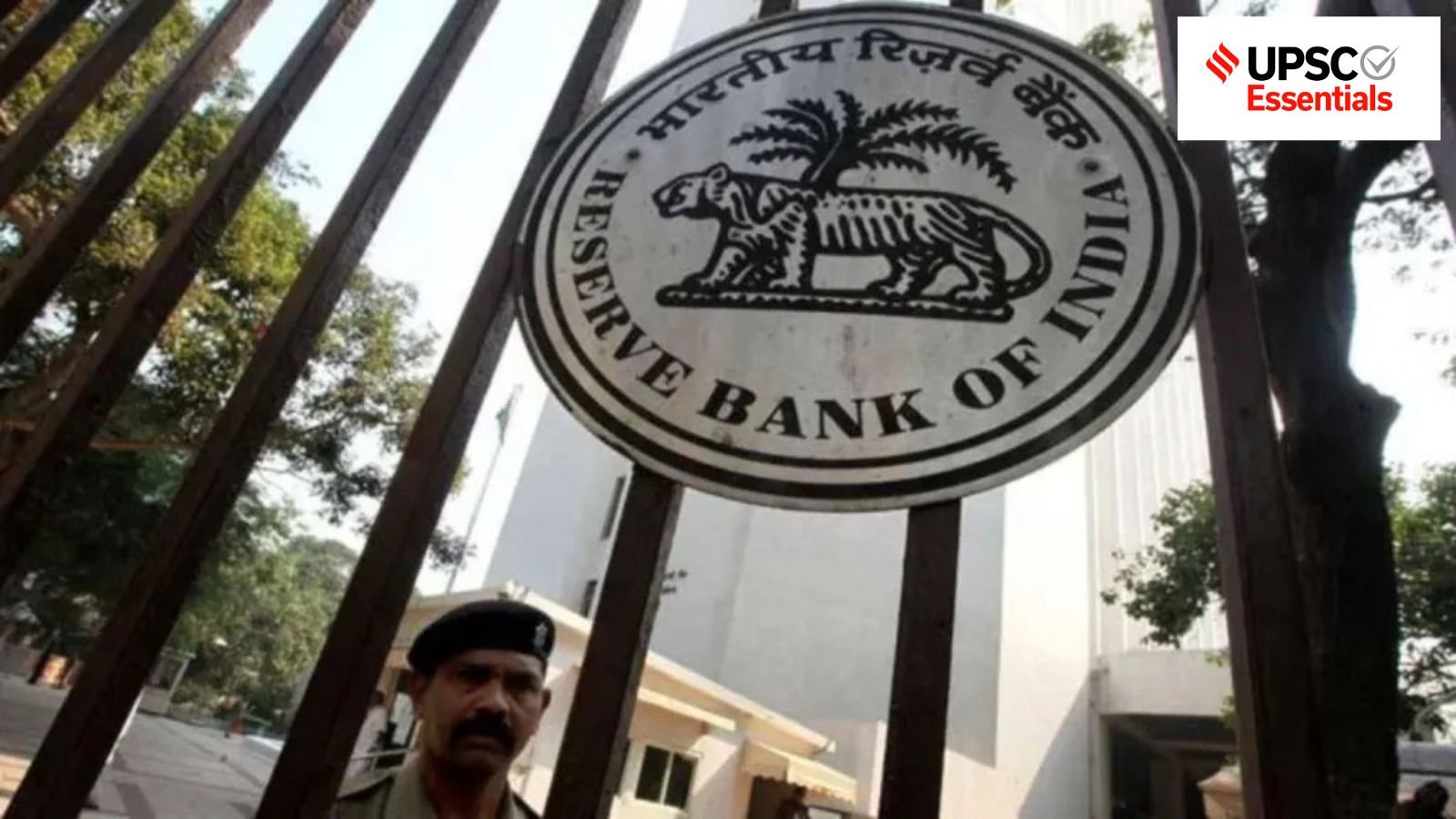
India needs money from other countries to build factories, technology, clean energy and infrastructure.
But not every dollar coming into the country has the same benefit.
Some money builds new businesses, while other money is a loan or can leave quickly.
Foreign investors and lenders will eventually expect profits, interest or repayment.
The RBI’s forex swap facility brought in a large amount of dollars, but much of that money must eventually be returned.
Foreign-exchange reserves help India manage sudden withdrawals and pay for external needs.
They are not free money that the government can spend whenever it wants.
The article says India should seek foreign capital that creates lasting productive capacity.
It should also strengthen domestic financial markets so investment can continue if foreign money leaves.

The Reserve Bank of India attracted $143.596 billion through its US dollar-rupee forex swap facility by September 18.
FCNR(B) deposits contributed $132.98 billion, while OFCBs and ECBs contributed $5.32 billion and $5.296 billion.
Gross FDI reached $94.53 billion in the first quarter of FY 2025-26, but net FDI was only $7.65 billion after outflows.
Foreign capital can expand productive capacity, but it also creates future obligations such as dividends, interest, repayment and repatriation.
India needs to prioritize productive, stable capital, deeper domestic markets, adequate reserves and sufficient RBI capital buffers.
- Who
- The Reserve Bank of India, Indian businesses, foreign investors, lenders and the Union government are involved.
- What
- The article examines why the quality and efficiency of foreign capital matter more to India than the total volume of inflows.
- Where
- India and its foreign-exchange and international capital markets.
- When
- The RBI forex swap facility had attracted $143.596 billion by September 18; related figures cover the first quarter of FY 2025-26 and the year ending March 2026.
- Why
- India needs foreign capital for investment, but must manage the repayment, currency, volatility and financial-stability risks that accompany it.
More Foreign Capital
More Efficient Foreign Capital
Policy priority
More Foreign Capital
Attracting larger foreign inflows can support investment, provide liquidity and help finance infrastructure, technology and productive capacity.
More Efficient Foreign Capital
The amount alone is insufficient; India should prioritize capital that creates productive capacity and does not leave excessive future liabilities.
Short-term inflows
More Foreign Capital
FCNR(B) deposits, OFCBs and other foreign-currency inflows can support the rupee, increase liquidity and strengthen reserves when other investment is weak.
More Efficient Foreign Capital
These funds are temporary because deposits and loans must be repaid and swaps must eventually be reversed; they cannot substitute for long-term FDI and durable investor confidence.
RBI surplus and buffers
More Foreign Capital
A smaller RBI risk buffer can allow a larger short-term surplus transfer to the government.
More Efficient Foreign Capital
A larger buffer strengthens the central bank’s ability to handle financial shocks and protects its credibility and independence.
Key facts
- Forex swap inflows
- The Reserve Bank of India attracted $143.596 billion under its US dollar-rupee swap facility by September 18.
- FCNR(B) contribution
- Foreign Currency Non-Resident (Bank) deposits accounted for $132.98 billion of the inflows.
- Other swap-facility inflows
- OFCBs contributed $5.32 billion and ECBs contributed $5.296 billion.
- Gross and net FDI
- India received $94.53 billion in gross FDI but $7.65 billion in net FDI in the first quarter of FY 2025-26.
- External debt
- India’s external debt stood at $762.8 billion at the end of March 2026, up $26.3 billion over the year.
- Government share of external debt
- The general government accounted for 22% of external debt, with companies, banks and other financial institutions accounting for most of the remainder.
- RBI risk buffer
- The RBI’s Contingency Risk Buffer range was widened from 5.5-6.5% to 4.5-7.5% of its balance sheet in the 2025 review.
Sources
Related news

India’s Forex Reserves Hit Record High on Foreign Inflows

RBI Forex Swap Attracts $136.4 Billion, Led by FCNR(B)

RBI Forex Swap Draws $136.37 Billion, Led by FCNR(B)
RBI’s $136 Billion Dollar Strategy Faces Liquidity Risks

India Draws Record Foreign Capital, Raising Liquidity Management Challenges
India Draws Record $127 Billion Through Special FCNR Window

OECD Says Global Economy Resilient Despite Mounting Threats

Silver Outlook: Rate Cuts Could Lift Prices Toward ₹3.25 Lakh

Global Rate Hikes Put Indian Stocks Under Fresh Pressure