6 hrs ago
How Cafés and Conversations Fueled India’s Student Protests
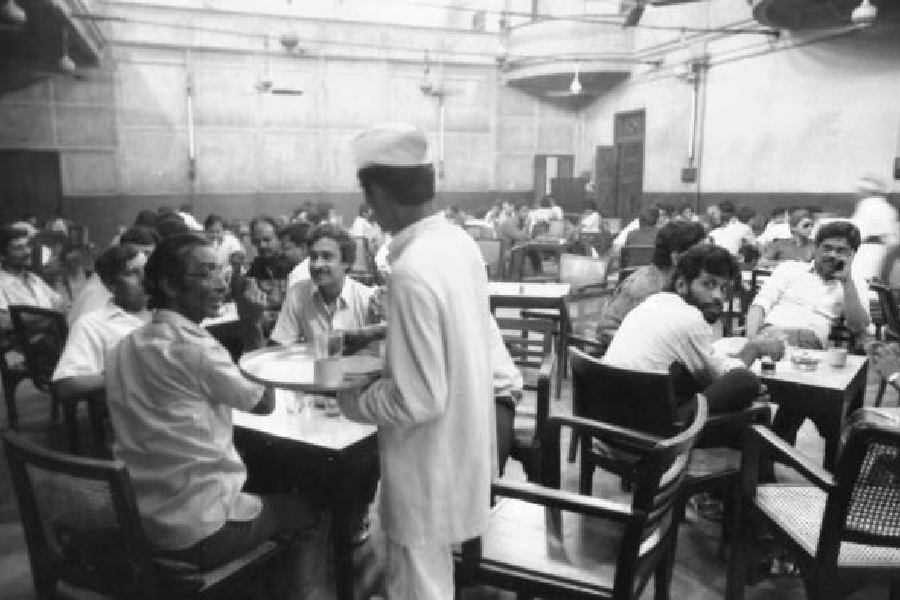
The article says protests usually begin before people gather in the streets.
Students and other citizens first talk about problems in cafés, hostels, canteens and online groups.
These conversations help people understand what they believe and what they want to change.
In Delhi, the Indian Coffee House became a famous place for political arguments.
In Calcutta, the College Street Coffee House was linked to discussions that helped shape the early Naxalite movement.
The author says today’s student protests over exam problems grew from years of frustration, not just one incident.
WhatsApp can spread ideas quickly, but it cannot completely replace deeper conversations.
The main message is that governments should listen before private discussions become public protests.

The article argues that public movements are often developed through private conversations before reaching the streets.
Delhi’s Indian Coffee House served as a meeting place for competing political groups, writers, filmmakers and poets.
Calcutta’s College Street Coffee House helped incubate early Naxalite movement ideas, while Shimla’s café hosted quieter intellectual debates.
The author connects India’s NEET protests and Chalo Sansad march to longer-running concerns about examination scandals, leaked papers and unfair appointments.
Digital groups such as WhatsApp can mobilize people faster, but the author says face-to-face discussion remains central to building conviction.
- Who
- Indian students and other participants in protest movements, as discussed by cultural critic Shelley Walia.
- What
- The article examines how café, hostel, canteen and online conversations help turn frustration into organized protest.
- Where
- Examples include Delhi’s Indian Coffee House, Calcutta’s College Street Coffee House, Shimla, and protest sites such as Jantar Mantar and Parliament-related marches.
- When
- The discussion spans historical movements from the 1960s to India’s current student protests over examination lapses.
- Why
- The protests are linked to leaked examination papers, examination scandals, publication rackets and concerns about metric-driven appointments.
Key facts
- Author
- Shelley Walia, a cultural critic and former Senior Fellow at the Rothermere American Institute, University of Oxford
- Delhi café
- The Indian Coffee House at Connaught Place opened in 1957 and hosted political and cultural debates.
- Calcutta café
- College Street Coffee House is described as an important early discussion site for the Naxalite movement.
- Student protests
- The article refers to the NEET protests and the Chalo Sansad march.
- Underlying grievances
- The protests are connected to leaked examination papers, examination scandals, publication rackets and metric-driven appointments.
- Digital mobilization
- The author says WhatsApp groups can accomplish quickly what coffee-house discussions once developed over much longer periods.
Quotes

Bob Dylan
American singer-songwriter whose lyrics are quoted as an image of cafés incubating political movements
“I lived with them on Montague Street/ In a basement down the stairs/ There was music in the cafes at night/ And revolution in the air...”
 telegraphindia.com
Sources
Related news
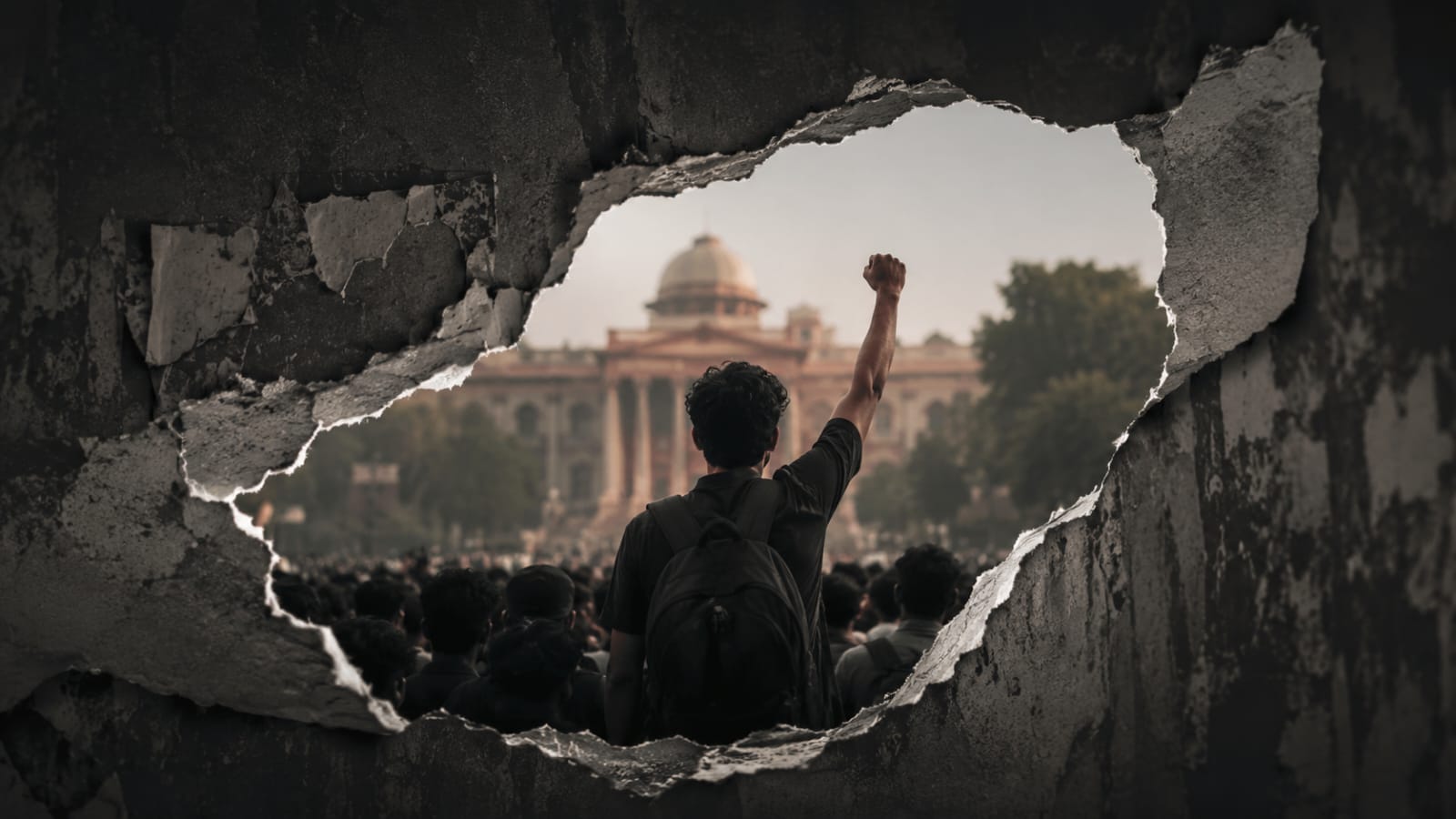
Student Protests Turn Private Grievances Into Public Demands

Gen Z Protests Knock on India’s Democratic Door
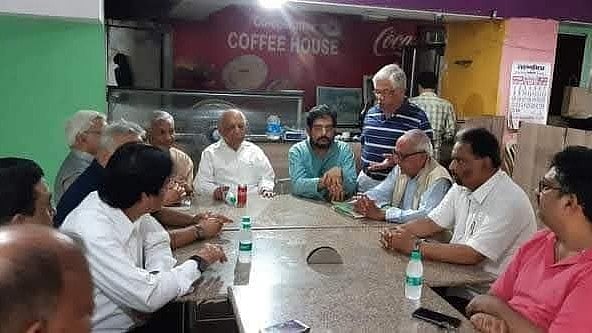
Lucknow's 88-Year-Old Coffee House Falls Silent After Closure
After 36 Days, Cockroach Movement Leaves Government Facing Youth Discontent
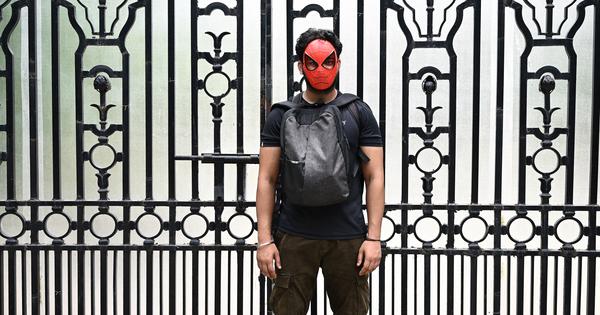
Indian Student Movements Echo Past Struggles for Democracy

Prakash Raj Says ‘Fascist Rule’ Nears End, Urges Youth

Himachal Pradesh Adds Apprenticeship Degrees Across 16 Government Colleges

Parineeti Chopra Hunts Missing Daughter in Shaque Trailer

HPU Plans Noida Centre Lease to DRDO for Research

Vikas Singh Panwar Wins UPSC First Attempt After KBC