2 hrs ago
India Notifies E-Commerce Inventory Exception for Export-Only Sales

India has changed its rules for online shopping companies that receive foreign investment.
These companies can now keep products in their own warehouses if they plan to sell those products in other countries.
The products must be made or produced in India.
They cannot use this permission to sell their own inventory directly to Indian shoppers.
The rule was announced in July and became effective after a September 2 notification.
The companies must follow India’s export policies.
They must also show where the products came from and report that export payments were received.
The policy is intended to help Indian businesses sell more goods abroad while keeping domestic retail protections in place.

The Finance Ministry has notified changes to India’s foreign investment rules for e-commerce.
E-commerce companies may hold inventory only to export goods manufactured or produced in India.
Foreign investment in inventory-based e-commerce retailing for domestic sales remains prohibited.
The change was added to the Foreign Exchange Management (Non-debt Instruments) Rules, 2019.
The amendment requires exports to comply with foreign trade and foreign-exchange reporting rules.
- Who
- The Department of Economic Affairs and foreign-invested e-commerce entities.
- What
- India has allowed e-commerce firms to maintain inventory exclusively for exporting Indian-made or Indian-produced goods.
- Where
- India, with the goods intended for export to other countries.
- When
- The notification was issued on September 2, following an announcement in July.
- Why
- To support exports through foreign-invested e-commerce platforms while retaining restrictions on inventory-based domestic B2C sales.
Key facts
- Rule change
- E-commerce entities may use an inventory-based model exclusively for exports.
- Eligible goods
- Goods or products manufactured or produced in India.
- Domestic sales
- Foreign investment in inventory-based e-commerce retailing for domestic consumption remains prohibited.
- Legal instrument
- Foreign Exchange Management (Non-debt Instruments) Rules, 2019.
- Effective date
- The provision was notified on September 2 and implements the decision announced in July.
- Compliance
- Companies must comply with the Foreign Trade Policy 2023, its Handbook of Procedures, and foreign-exchange export regulations.
- Verification
- Entities must demonstrate the goods’ Indian origin, export, and realization and reporting of export proceeds.
Quotes

Department of Economic Affairs
Finance Ministry department issuing the amended foreign-exchange rules
“The restrictions on Business to Consumer (B2C) and the inventory-based model of e-commerce stipulated under the provisions…shall not apply to the export of goods or products through e-commerce…”
 livemint.com
Amit Agarwal
Senior Partner at Nangia & Co LLP commenting on the amendment
“now an FDI-invested e-commerce entity can hold and sell its own inventory of Indian-origin goods, so long as the end-use is export and not domestic consumption.”
livemint.com
The provision
The quoted text of the e-commerce foreign investment provision.
“An e-commerce entity is permitted to engage in inventory-based model of e-commerce exclusively for the export of goods or products manufactured or produced in India”
 timesnownews.com
Sources

Related news

DGFT notifies export-only inventory framework for foreign-funded e-commerce firms
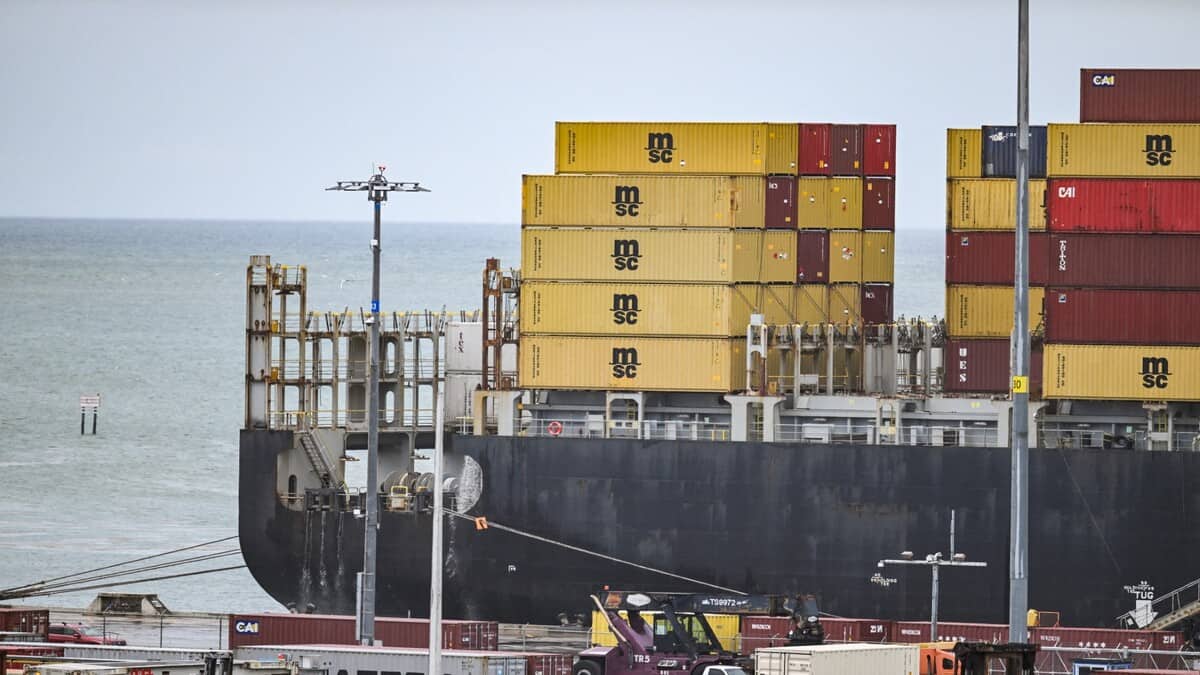
Government operationalises inventory-based cross-border e-commerce export framework
DGFT Eases Rupee Export Rules, Expanding Trade Payment Options

India Reports ₹4,896 Crore in 29 FDI Proposals

India Reports 29 FDI Proposals Under Easier Approval Rules

India Tax Bill 2026 Reworks UPI Fees, Courts Foreign Capital
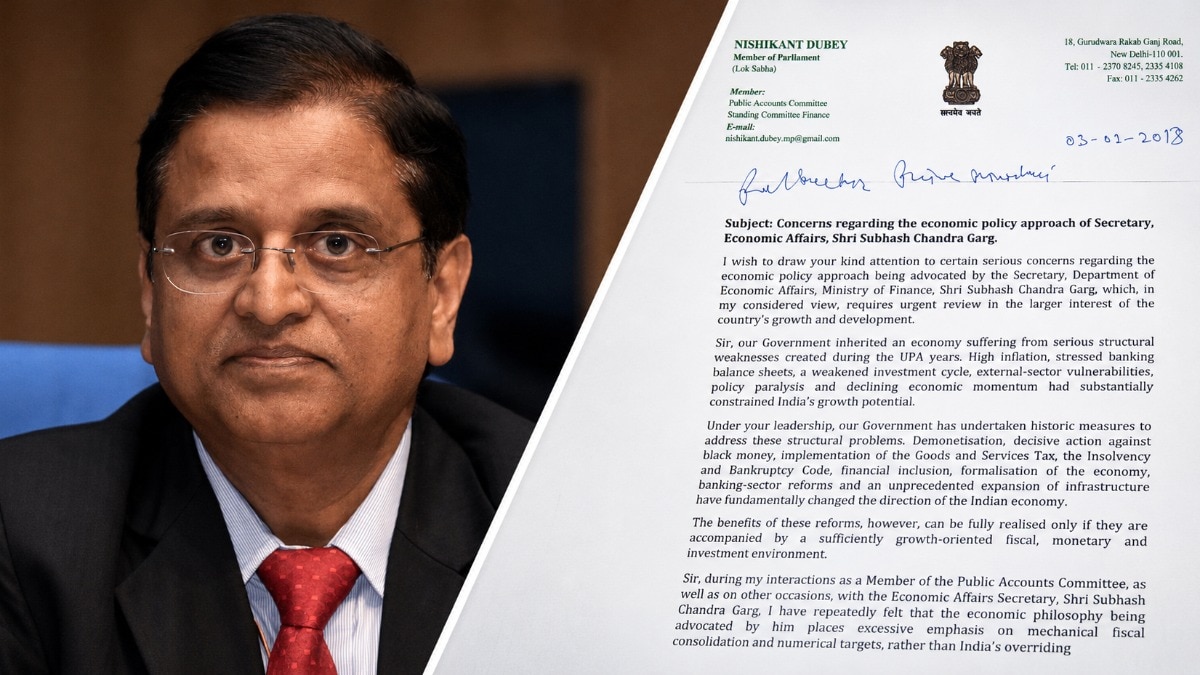
Old BJP Letter Questions Garg’s Economic Policy Approach

Pakistan Raises USD 3 Billion in Record Dual-Tranche Eurobond Sale

GIFT City IFSC Channels $54 Billion Under RBI Swap Facility

India Raises Petrol, Diesel Export Taxes, Cuts Jet Fuel Levy