2 days ago
Jatra: Bengal’s Enduring Folk Theatre Tradition Through Centuries
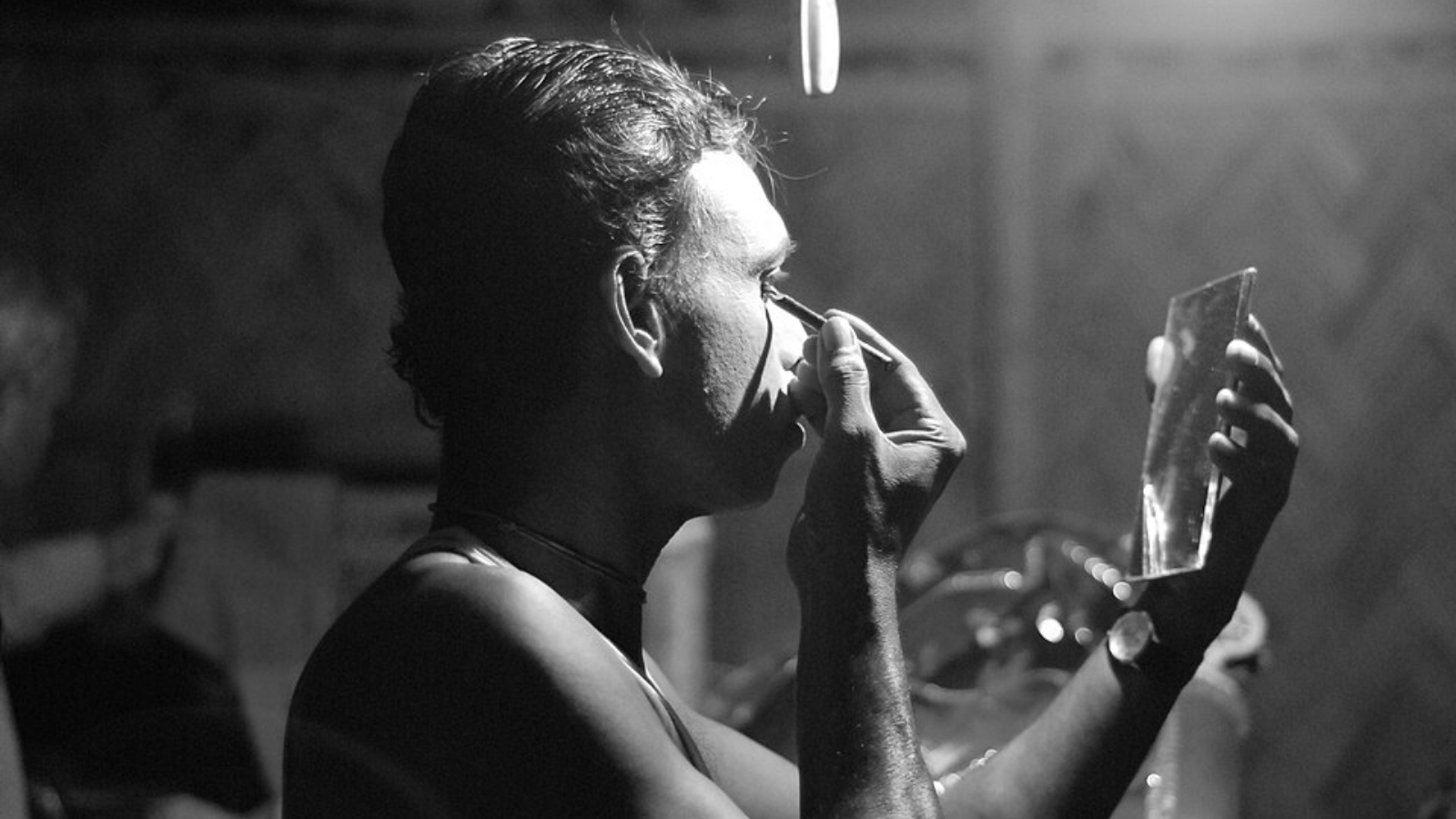
Jatra is a kind of folk theatre from Bengal.
Performers use dramatic acting, songs and colourful costumes.
Their acting is often very big and expressive.
The word Jatra is connected to “yatra,” which means a journey or procession.
The tradition is generally linked to the Bhakti movement in 16th-century Bengal.
At first, Jatra mainly told religious stories.
Later, it also explored romance, social problems, politics and nationalism.
It remains closely connected to ordinary audiences.

Jatra is a dramatic folk-theatre tradition rooted in Bengal.
The form features powerful songs, colourful costumes and larger-than-life acting.
Its name is associated with “yatra,” meaning a journey or procession.
Jatra is generally traced to Bengal’s 16th-century Bhakti movement.
Over time, performances expanded from religious stories to romance, social issues, politics and nationalism.
- Who
- Jatra performers and the popular audiences connected to the tradition.
- What
- A dramatic Bengali folk-theatre form using songs, costumes and expressive acting.
- Where
- Bengal.
- When
- Generally traced to the 16th-century Bhakti movement and sustained over subsequent centuries.
- Why
- To present stories and themes including religion, romance, social issues, politics and nationalism.
Key facts
- Tradition
- Jatra is one of Bengal’s enduring folk-theatre traditions.
- Name origin
- The word is associated with “yatra,” meaning a journey or procession.
- Historical roots
- The form is generally traced to the 16th-century Bhakti movement in Bengal.
- Performance style
- Jatra uses dramatic performances, powerful songs, colourful costumes and larger-than-life acting.
- Early subject matter
- The tradition was connected to religious stories.
- Later themes
- Jatra expanded to include romance, social issues, politics and nationalism.
- Audience connection
- The form remains closely connected with popular audiences.
Sources
Related news

Mathura Cultural Procession Showcases Braj Folk Traditions During Krishna Celebrations
Anwesha Kala Kendra Celebrates 25 Years of Folk Traditions
Guru Rattiah Revives Kuchipudi’s Nearly Lost Theatrical Tradition
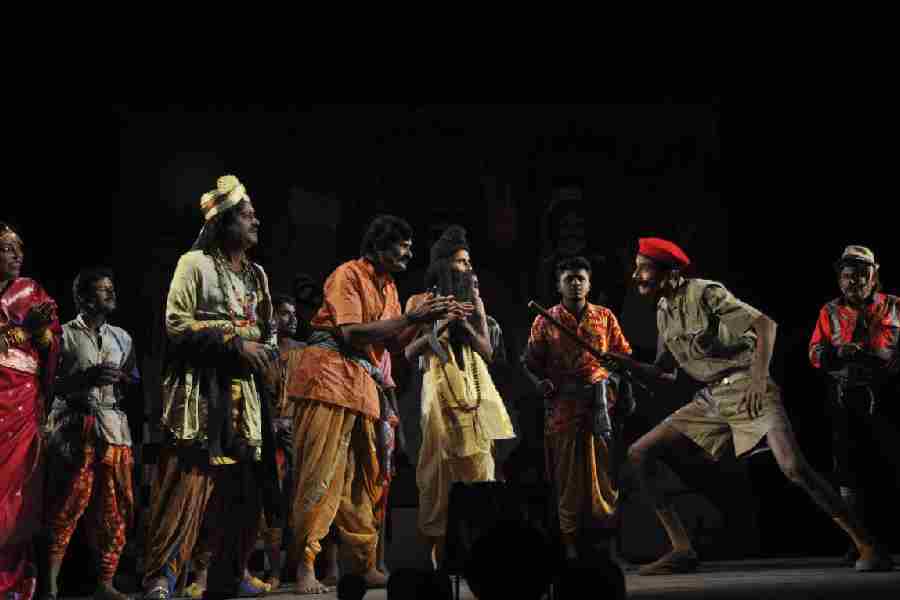
Bohurupee Revives Kinu Kaharer Thetar in Centennial Tribute
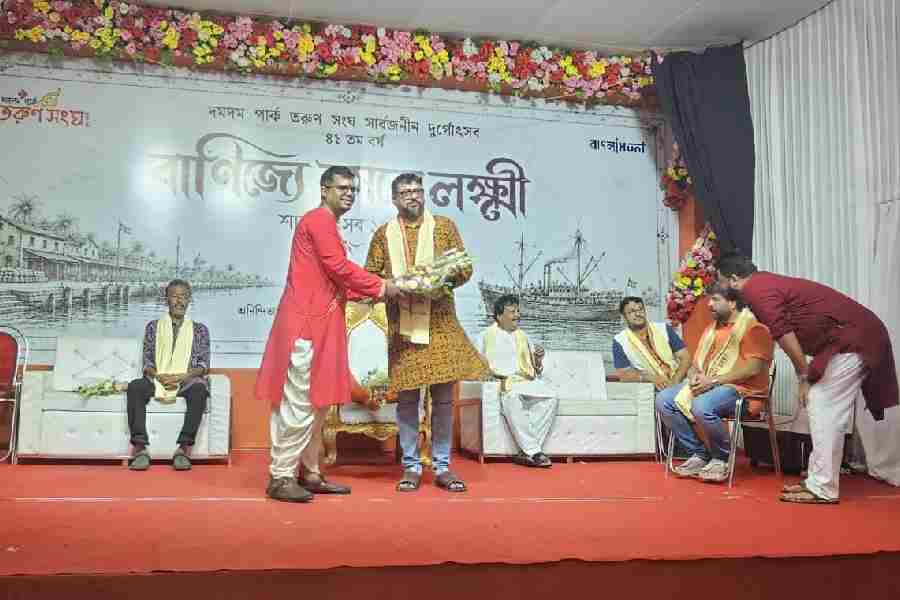
Dum Dum Park Durga Pujas Invoke Bengal’s Trade, Unity
Jio Marks 10 Years With 46% Bengal Telecom Market Share
Winkle Twinkle Traces Bengal’s Political and Personal Transformation
Nepal Floods Leave Bengal Families Awaiting News of Missing Trekkers
Bengal Remembers Uttam Kumar During His Birth Centenary