1 hr ago
Mystery Surrounds Russian Lab Technician’s Death as Residents React

A 28-year-old lab worker named Darya Shipilova died in Russia.
Officials have not clearly explained what caused her pneumonia.
Some reports said it might have been pneumonic plague, but there has been no official confirmation of that diagnosis.
The health watchdog said her tests were negative for the germs she worked with.
People nearby reacted in different ways: some worried, while others carried on normally.
One pharmacist said people briefly bought masks, cleaning supplies and antibiotics.
Residents also said workers disinfected a building where Shipilova was believed to have lived, but CNN could not verify that account.
Her mother said Shipilova had not yet been buried.

Russian authorities attributed 28-year-old Darya Shipilova’s October 2 death to pneumonic plague, but have not publicly confirmed that diagnosis.
Rospotrebnadzor said Shipilova had pneumonia of unknown origin and tested negative for pathogens she worked with.
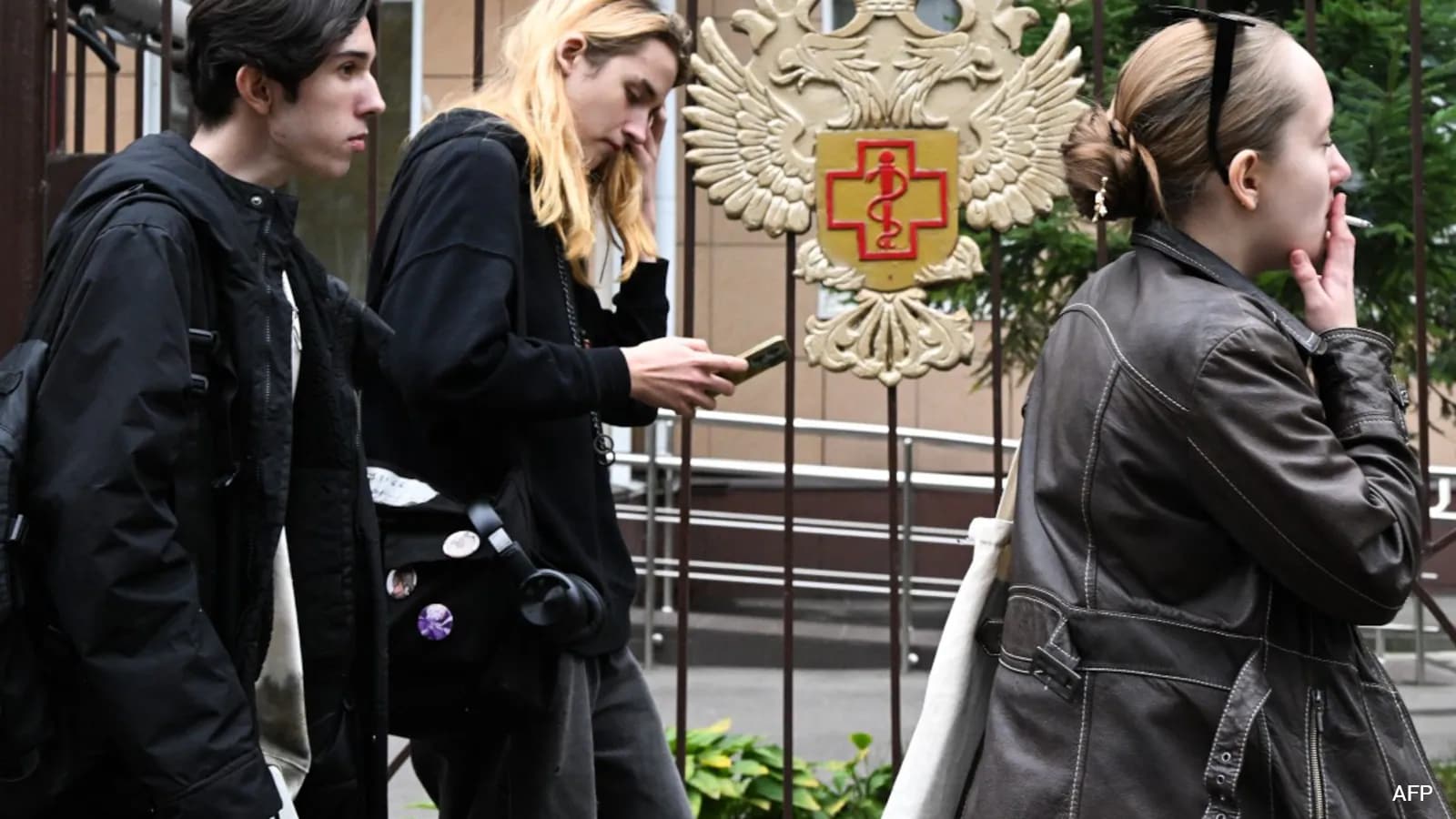
Residents in Shelekhov, Irkutsk and Angarsk expressed differing levels of trust in official statements and concern about rumors.
A pharmacist reported a brief rush for masks, antiseptics and tetracycline antibiotics after plague rumors emerged.
Shipilova’s mother told local media her daughter had not yet been buried; CNN said it could not independently verify reports of apartment disinfection.
- Who
- Darya Shipilova, a 28-year-old laboratory technician at the Irkutsk Anti-Plague Research Institute.
- What
- She died after developing pneumonia; authorities have not publicly confirmed the cause, despite reports attributing it to pneumonic plague.
- Where
- She died in a hospital in Shelekhov, Russia; the reported disinfection took place at an apartment block in Irkutsk.
- When
- She died on October 2; the article describes residents’ reactions six days after the news broke.
- Why
- The cause of her pneumonia and death remains unclear in the public statements described in the article.
Concern and skepticism
Calm and confidence in precautions
Trust in official information
Concern and skepticism
Some residents said they did not trust public statements and that rumors were widespread; a clinician questioned whether the pathogen could be identified so soon after the autopsy.
Calm and confidence in precautions
Other residents described the situation as ordinary and dismissed alarming social-media coverage as disconnected from reality.
Risk and public response
Concern and skepticism
Some people feared infection, and a pharmacist reported a one-day rush for masks, antiseptics and tetracycline antibiotics.
Calm and confidence in precautions
Other residents said they were not panicking, noting that contacts had been isolated and safety measures were being followed.
Key facts
- Age
- 28
- Reported date of death
- October 2
- Workplace
- Irkutsk Anti-Plague Research Institute
- Health watchdog statement
- Rospotrebnadzor said she had pneumonia of unknown origin and tested negative for pathogens she worked with.
- Officially stated diagnosis
- No public confirmation of plague was reported; the watchdog described the pneumonia’s origin as unknown.
- Reported purchases
- A pharmacist said customers briefly stocked up on masks, antiseptics and tetracycline antibiotics.
- Burial
- Shipilova’s mother told local media her daughter had not yet been buried.
Quotes
Unnamed Russian clinician
A clinician who spoke to the independent outlet Lyudi Baikala
“It’s the 21st century now, and there is treatment for plague. This is not like coronavirus, which was something unknown to people. The outlook is much better. So, to sum it all up: Everything is fine. We are following safety measures and not giving in to the madness.”
 livemint.com
“There is no official information, and we don’t trust it anyway. There are a lot of rumours, but what is actually happening remains unclear.”
livemint.com
Sources
Related news

Russian Lab Worker’s Death Raises Plague Concerns and Questions

Lab Worker’s Death Prompts Quarantines Across Siberian Region

Russia Says Plague Reports Are Unconfirmed, Situation Under Control
Irkutsk Residents Shrug as Russian Officials Dispute Plague Reports

Siberian Lab Worker Dies Amid Suspected Plague, Contacts Monitored

Russia Dismisses Reports of Second Plague Case as False

WHO Seeks More Information on Suspected Plague Death in Russia

WHO Seeks More Information on Russia’s Suspected Plague Case

Russia Rules Out Epidemic Risk After Siberian Lab Worker Dies

WHO Reports No Recent Plague Cases in Irkutsk Region