1 hr ago
Doctor Shares Ways to Prevent Screen-Related Dry Eyes

Looking at a screen for a long time can make people blink less.
Blinking spreads tears over the eye, so fewer or incomplete blinks can let the tears dry faster.
This may make eyes feel itchy, gritty, red, or tired, and vision may sometimes blur.
The doctor says screens are not automatically harmful, but long stretches without breaks can bother the tear film.
Every 20 minutes, look at something about 20 feet away for 20 seconds.
Try to blink fully and keep the screen a little below eye level.
Air blowing straight at your face can also make tears evaporate faster.
Some people may benefit from lubricating eye drops, but frequent dryness or irritation should be discussed with an eye-care professional.

Prolonged screen use can reduce blinking or lead to incomplete blinks, making tears evaporate faster.
Dry-eye symptoms can include burning, redness, gritty sensations, watering, and fluctuating vision.
The ophthalmologist recommends looking about 20 feet away for 20 seconds every 20 minutes and blinking fully.
Keeping screens slightly below eye level and avoiding direct airflow toward the eyes may reduce tear evaporation.
Other suggested measures include adequate sleep and hydration, preservative-free artificial tears when needed, and good eyelid and contact-lens hygiene.
- Who
- Dr Ramya P, an ophthalmologist at Apollo Hospitals, Jayanagar, Bangalore, provided the advice.
- What
- The article explains how prolonged screen use can worsen dry-eye symptoms and offers prevention measures.
- Where
- The article was published by NDTV and quotes an ophthalmologist at Apollo Hospitals in Jayanagar, Bangalore.
- When
- The advice concerns prolonged or continuous screen use.
- Why
- Prolonged visual concentration can reduce or make blinking incomplete, destabilizing the tear film and allowing tears to evaporate faster.
Key facts
- 20-20-20 rule
- Every 20 minutes, look at something about 20 feet away for at least 20 seconds.
- Screen position
- Position the monitor slightly below eye level and at a comfortable viewing distance.
- Airflow
- Avoid direct airflow from air-conditioners, fans, or car vents toward the eyes.
- Eye drops
- Preservative-free artificial tears are generally preferable when drops are needed frequently.
- Other risk factors
- Air conditioning, wind or dust, contact lenses, inadequate sleep, age, and some medications can increase dry-eye risk.
- Additional measures
- Adequate sleep, normal hydration, good nutrition, warm compresses, and appropriate eyelid hygiene may support eye-surface health.
Quotes
Dr Ramya P
Ophthalmologist at Apollo Hospitals, Jayanagar, Bangalore
“Blinking is essential because every blink spreads a fresh layer of tears across the cornea and helps maintain a stable tear film. When blinking decreases, the tear film becomes unstable and evaporates more quickly, resulting in dryness and irritation.”
 NDTV
NDTV
“The key message is that screens are not inherently harmful to the eyes, but prolonged uninterrupted screen use can disturb the tear film and trigger or worsen dry-eye symptoms.”
NDTV
Sources
Related news

Use the 20-20-20 Rule to Ease Digital Eye Strain

Dry Eye Has Causes Beyond Screens, Doctors Say
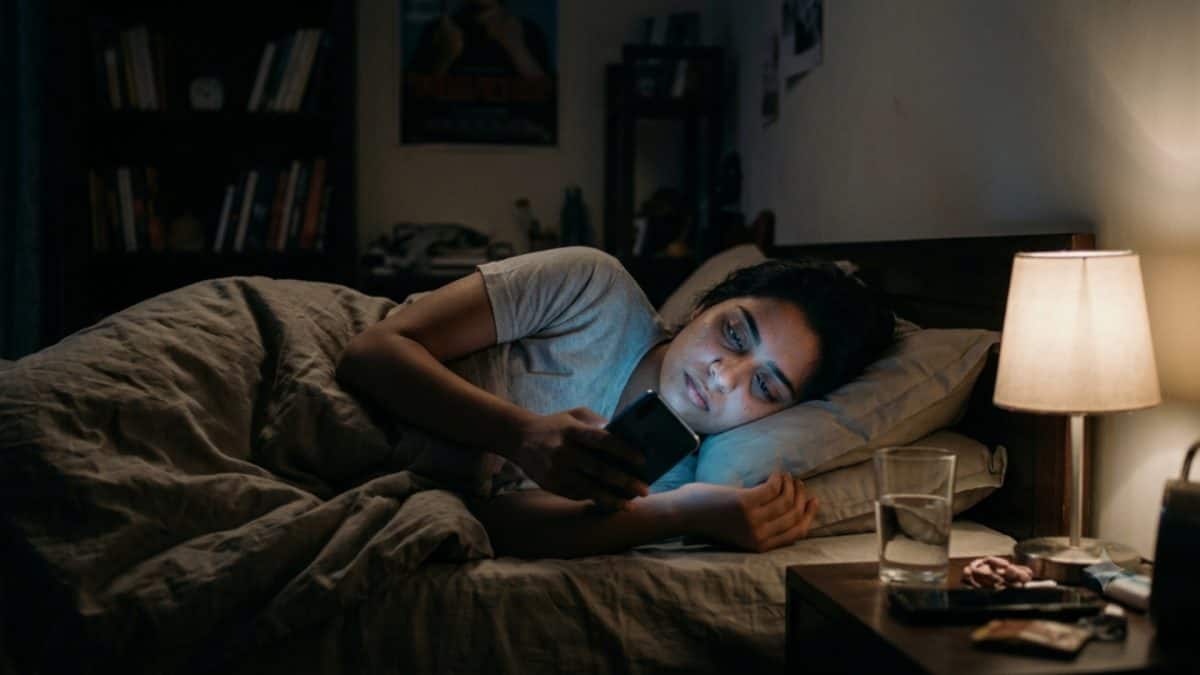
Doctors Explain How Nighttime Phone Use Affects Eyes

Screen Habits Can Strain the Neck, Doctor Explains

Contact Lens Hygiene Helps Prevent Irritation and Eye Infections

When Headache Pain Signals an Eye Problem: Key Warning Signs

Dhruv Rathee Shares 'Vote Chor, Gaddi Chhod' Protest Clip

Srijana Discusses Urban Public Transport at Mobility Symposium

Karnataka CM Alleges BJP Misused Forms to Delete Voters

NLSIU Confirms October Convocation, CJI Surya Kant to Preside