1 week ago
Supreme Court Says Private Caste Abuse Isn’t SC/ST Offence

The Supreme Court considered a case about alleged casteist remarks at a school.
It said that private abusive remarks are not automatically an offence under the SC/ST Act.
The court explained that an incident must be shown to have happened in public view for that part of the law to apply.
Simply being on school grounds does not prove that the incident was public.
The FIR did not clearly say that the school manager made the remarks.
The witnesses also did not say they were present when the words were allegedly spoken.
The court said that a person’s intent and the situation around the words matter.
These details affected whether the law could be applied in this case.

The Supreme Court ruled that casteist abuse made in private does not automatically constitute an offence under the SC/ST Act.
The court said that people merely being present on school premises does not prove the incident occurred within public view.
The bench noted that the FIR did not specifically attribute the alleged casteist remarks to the school manager.
Witnesses did not confirm that they were present when the alleged remarks were made.
The court emphasized that intent and context are important when determining liability under the Act.
- Who
- The Supreme Court and parties involved in a case concerning alleged casteist remarks at a school.
- What
- The court held that casteist abuse made privately does not automatically amount to an offence under the SC/ST Act.
- Where
- A school premises; the specific location was not stated.
- When
- Why
- The court found that public view, attribution of the remarks, witness presence, intent, and context had not been sufficiently established.
Key facts
- Court
- Supreme Court
- Issue
- Alleged casteist remarks at a school
- Law involved
- SC/ST Act
- Public-view finding
- Presence on school premises alone did not establish that the incident occurred in public view.
- FIR finding
- The FIR did not specifically attribute the remarks to the school manager.
- Witness evidence
- Witnesses did not confirm being present during the alleged utterances.
- Legal standard
- Intent and context are critical in determining liability under the Act.
Sources
Related news
Supreme Court Limits SC/ST Act’s Public-View Requirement

Allahabad High Court Limits Caste-Name Use Under SC/ST Act
Allahabad High Court Revives Student Leader’s Caste Abuse FIR Plea

SC/ST Act Invoked After Jaipur School Visit Assault
Centre Reconsiders 2026 UGC Equity Rules Amid Supreme Court Challenge
Court refuses to discharge Congress leader in casteist abuse case
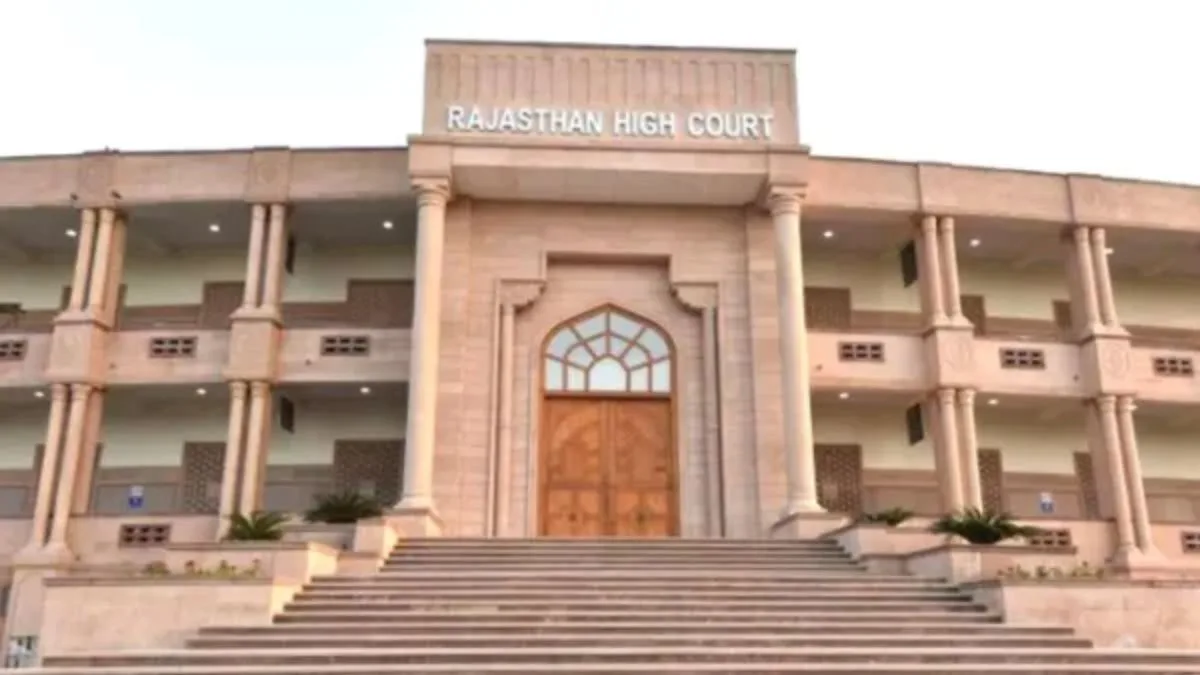
PUCL Urges CJI Action Over Rajasthan High Court Allegations

Supreme Court Questions IPS Deputation for CAPF Leadership Positions

Supreme Court Quashes 20-Year Conviction, Reaffirms Juvenile Legal Protections

Two Years After RG Kar Doctor's Rape-Murder, Case Remains Unresolved

ED widens Chhattisgarh probes with two arrests and searches