4 days ago
India Expands Defence Capabilities Amid Pakistan Unrest and Regional Shifts
This report describes many defence developments involving India, Pakistan and nearby countries.
Pakistan’s army chief, Asim Munir, has reportedly received much more legal power over the military and nuclear decision-making.
At the same time, several Pakistani regions are protesting, which could make the country less stable.
A headquarters linked to Jaish-e-Mohammed in Bahawalpur was reportedly rebuilt after India’s Operation Sindoor.
India says it is making more of its own weapons, including AK-203 rifles and different missiles.
India is also developing satellites, artificial intelligence, ships, parachutes and drones for defence.
The report says Pakistan used spies and sleeper cells to search for India’s S-400 air-defence batteries during the operation.
Bangladesh may buy Chinese fighter jets, while India is strengthening defence cooperation with several other countries.
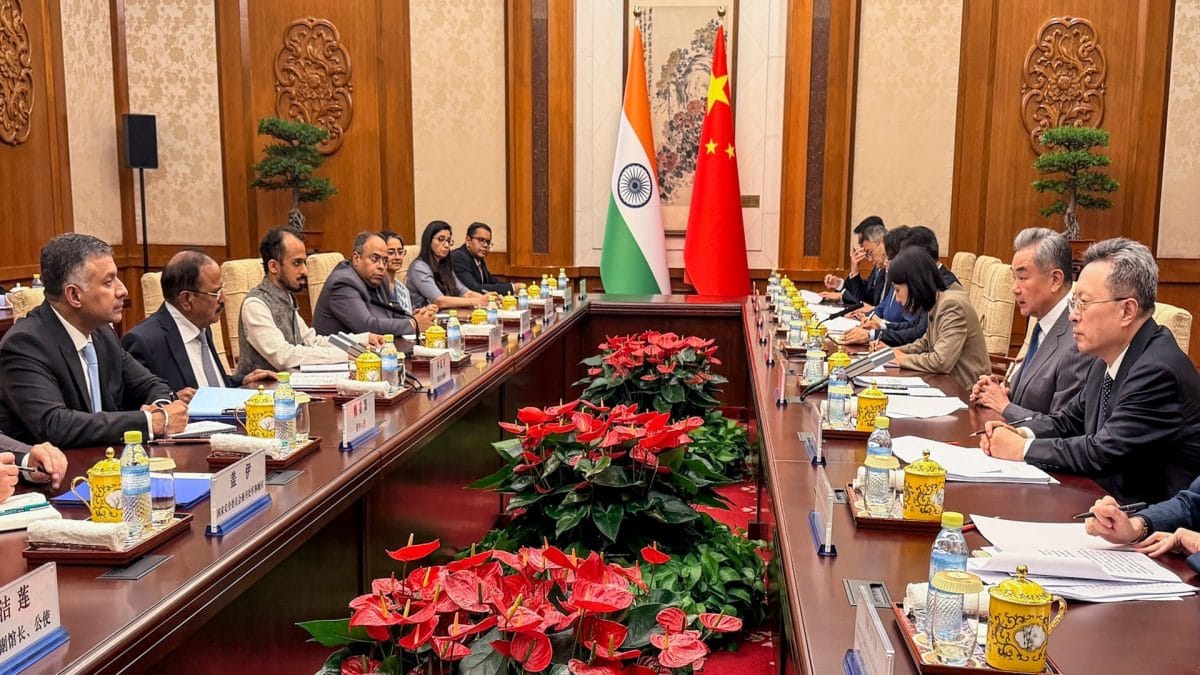
India and China also agreed to add communication channels and meetings to help prevent border incidents from becoming larger crises.

Pakistan’s parliament reportedly expanded Asim Munir’s authority over the armed forces and nuclear command amid unrest in Balochistan, Pakistan-occupied Kashmir and Sindh.
Jaish-e-Mohammed’s Bahawalpur headquarters was reportedly rebuilt after Operation Sindoor, while Pakistan allegedly used espionage networks to locate India’s S-400 systems.
India advanced domestic defence production through the indigenous AK-203 rifle, expanded missile manufacturing, and planned large QRSAM and Akash-NG purchases.
India announced new capabilities including naval testing and patrol ships, high-altitude parachutes, space-based missile warning, artificial-intelligence planning and combat drones.
Regional security ties and risks also shifted through China-India border talks, Bangladesh’s possible Chinese fighter purchase, Gulf defence agreements and proposed India-UK, India-US and India-Japan cooperation.
- Who
- India, Pakistan, Bangladesh, China and their defence institutions, along with regional and international partners.
- What
- A roundup of developments involving military power, security threats, defence production, procurement, diplomacy and technology.
- Where
- India, Pakistan, Bangladesh, China and Gulf-region partner states, including locations such as Bahawalpur, Ladakh, Kathua and Beijing.
- When
- The developments were reported during the week covered by the dispatch, including events and announcements dated August 23–27; some programmes extend through 2027 or 2030.
- Why
- The developments reflect responses to regional military tensions, terrorism, border security concerns, modernisation needs and efforts to expand domestic defence capability.
Security and military assessments
Official responses and alternative readings
Pakistan’s concentration of power
Security and military assessments
The report argues that legal changes have given Asim Munir authority comparable to that acquired by earlier military rulers through coups, while unrest in several provinces increases the risk of instability or external adventurism.
Official responses and alternative readings
Pakistan’s parliament formally passed the changes, meaning supporters could characterize Munir’s authority as legally established rather than the result of an unconstitutional military takeover.
Bangladesh’s al-Qaeda risk
Security and military assessments
A United Nations monitoring team warned that al-Qaeda was attempting to establish dispersed cells in Bangladesh, and the report says India views the possibility seriously because of cross-border security concerns.
Official responses and alternative readings
Bangladesh’s Home Minister dismissed the assessment as assumption-based, indicating that the government does not accept the warning as established evidence of an active network.
Effect of India’s defence partnerships
Security and military assessments
The report presents cooperation with the United Kingdom, United States and Japan, plus domestic private-sector production, as ways to improve India’s military readiness and reduce import dependence.
Official responses and alternative readings
Many of the initiatives remain proposals, negotiations, trials or pending clearances, so their eventual scale, cost, delivery schedules and operational impact are not yet certain.
Key facts
- Pakistan military authority
- The report says parliamentary changes gave Asim Munir unified command over the services, influence over senior officers and control over the nuclear command structure.
- Bahawalpur facility
- The Markaz Subhanallah complex linked to Jaish-e-Mohammed was reportedly rebuilt with new domes, marble flooring and reinforced blast-damaged areas.
- AK-203 rifle
- India test-fired its first fully indigenised AK-203 rifle on August 23; delivery of more than six lakh rifles is expected by December 2030.
- Missile production
- India approved transferring conventional Defence Research and Development Organisation missile technologies to private companies, while nuclear-linked systems remain excluded.
- Air-defence procurement
- India is preparing possible orders for about 1,000 QRSAM and 1,000 Akash-NG missiles, subject to final clearances.
- China-India talks
- Ajit Doval and Wang Yi agreed on additional military contact points, border hotlines, trade-point reopening and further Kailash Mansarovar pilgrimage batches.
- Bangladesh fighter proposal
- A Bangladeshi government panel is drafting an agreement for up to 24 Chinese J-10CE fighters and attack helicopters.
- NIA investigation
- The National Investigation Agency searched sites in five Indian states and Delhi over DDoS attacks on 54 government websites; two suspects were arrested.
Sources
Related news
India Expands Defence Self-Reliance as Regional Security Ties Deepen
Pakistan's China-backed western build-up, Saudi-Turkey pact, India's air shield
India’s Post-Sindoor Defence Push Targets Networked Future Warfare
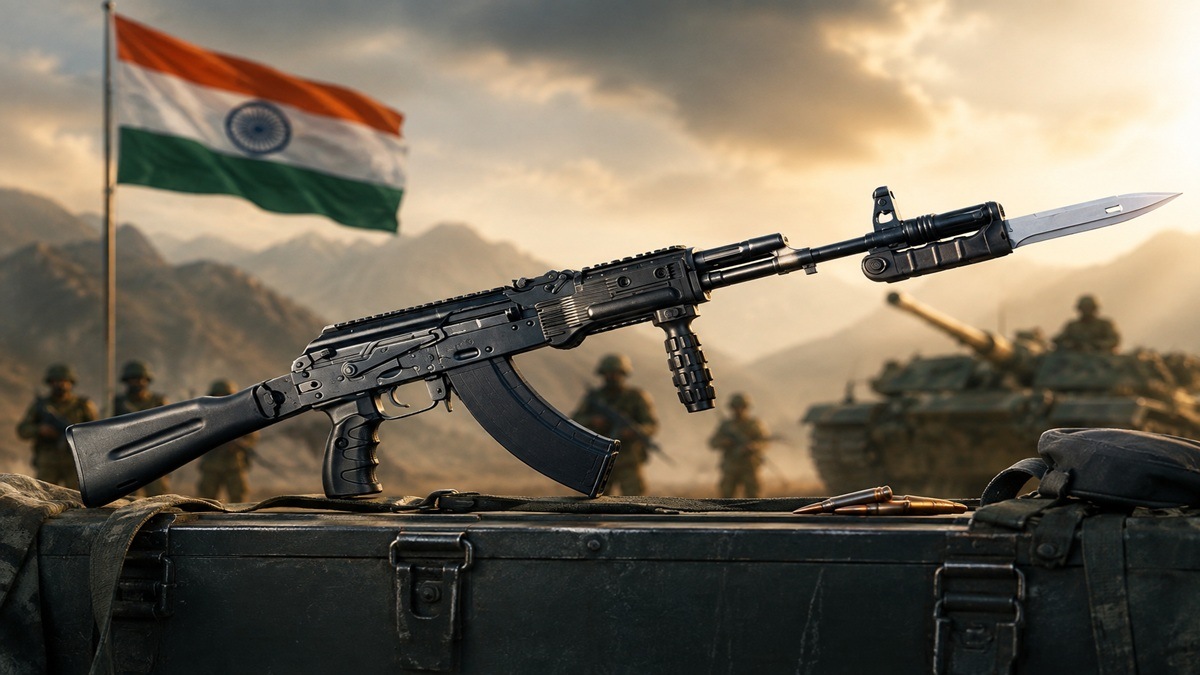
Amethi Factory Test-Fires Fully Indigenous AK-203 Sher Rifle
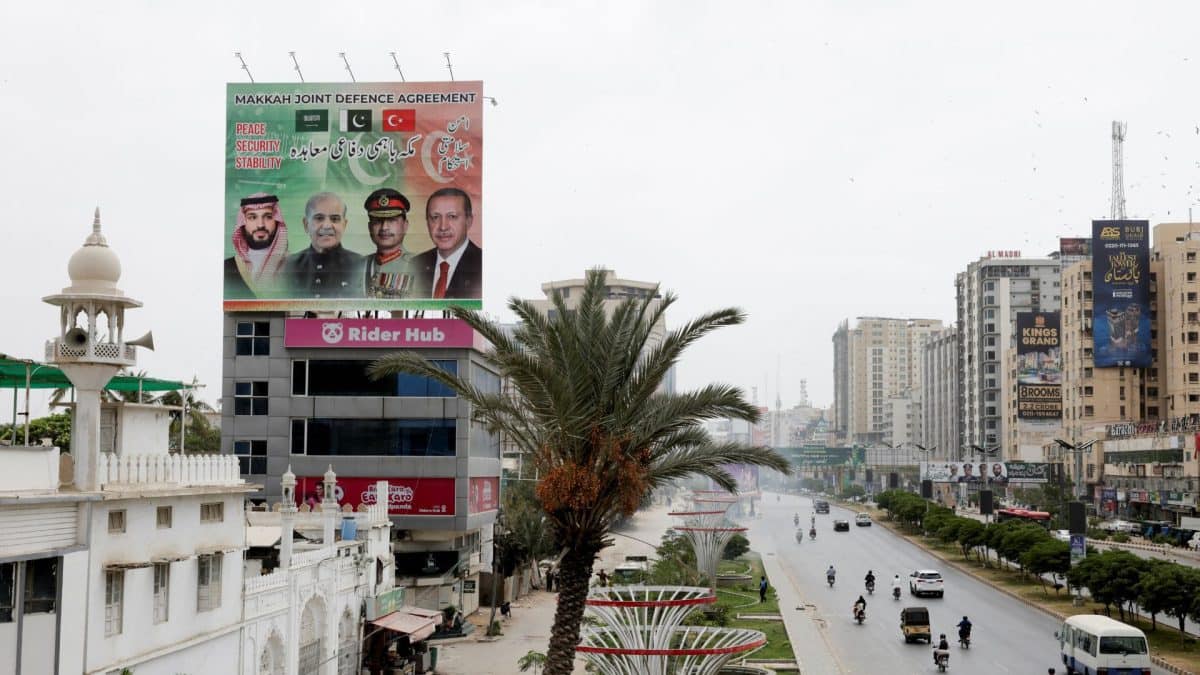
Turkish, Chinese Military Airlift to Pakistan Raises Cargo Questions
India’s Record Wheat Harvest Opens $1.5 Billion Export Window

West Bengal CM Crushes Nearly 2 Lakh Seized Syrup Bottles
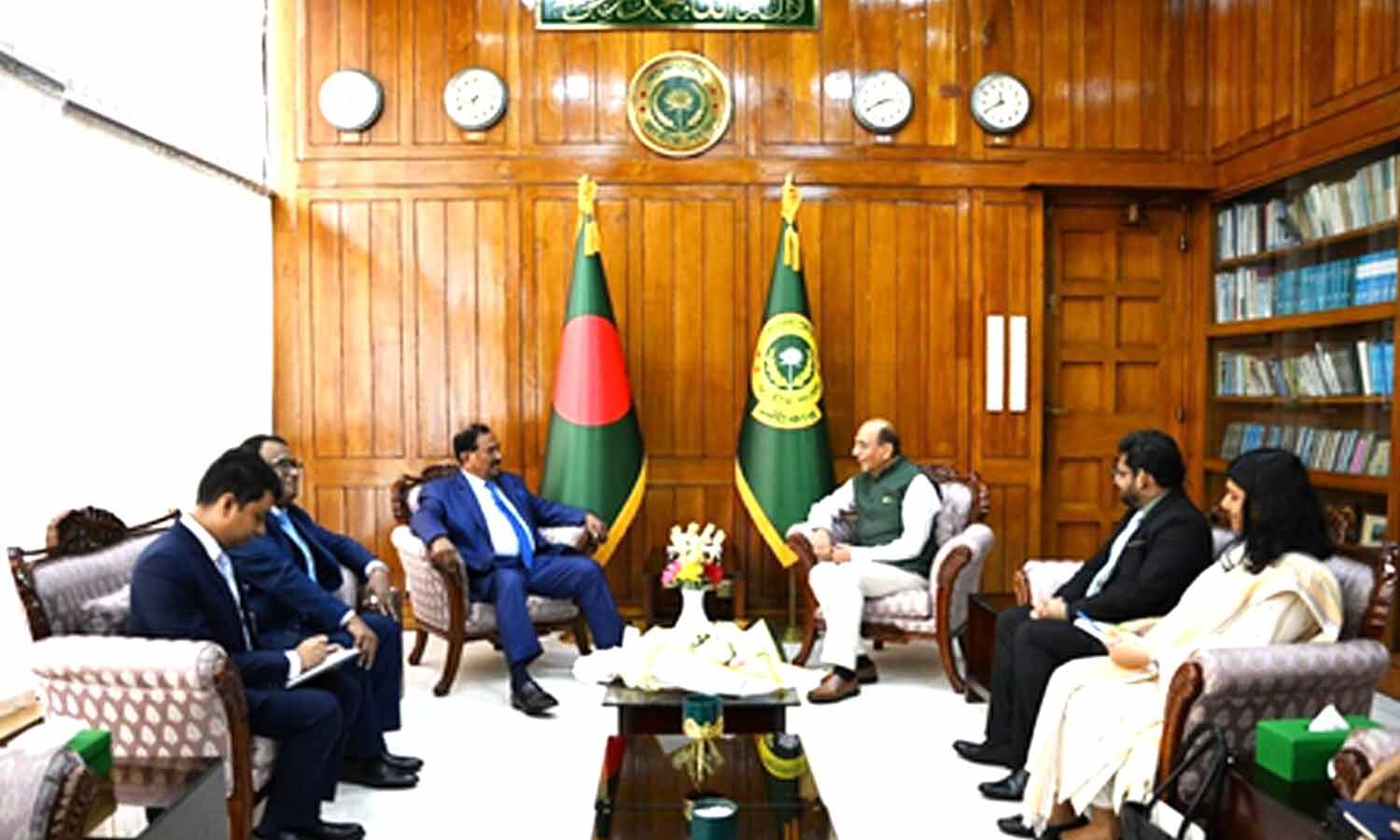
India, Bangladesh Seek Deeper Parliamentary and People-to-People Ties

Bangladesh Radicalisation Raises Concerns About Security Spillover Into India

Bengaluru Police Transfer 31 Bangladeshi Nationals for Deportation