

1 week ago
India Expands Defence Self-Reliance as Regional Security Ties Deepen
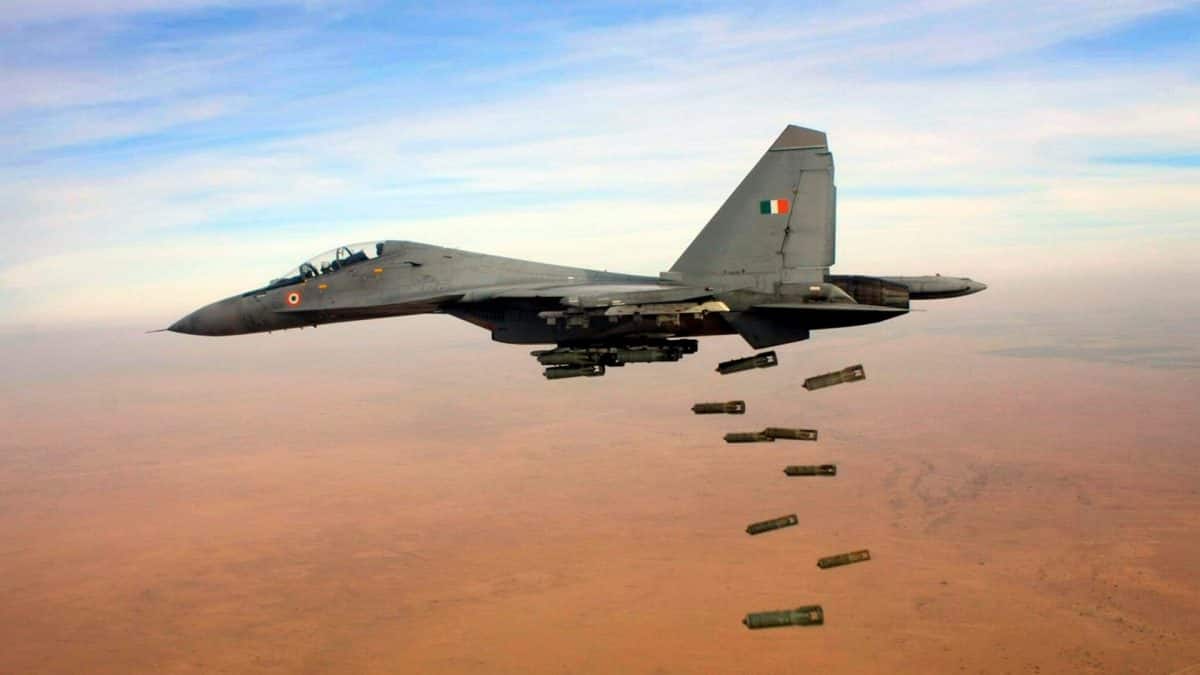
India announced many plans to build more defence equipment inside the country.
It is also buying or leasing some equipment from other countries to fill immediate gaps.
Reports said China and Turkey sent military cargo to Pakistan, but the exact contents were not independently confirmed.
India is planning six large destroyers costing about Rs 80,000 crore.
The Navy will also use more BrahMos missiles and MQ-9B surveillance drones.
Indian scientists and companies are working on drones, missiles, rifles, bombs and parts for military vehicles.
India asked to join France’s future fighter-jet programme as a development partner.
India also signed new security agreements with Japan and Armenia and conducted exercises with several countries.
These steps are intended to improve India’s ability to watch and protect its borders, coastlines and nearby seas.

Chinese and Turkish military aircraft reportedly delivered weapons to Pakistan during a concentrated 60-hour airlift, though the cargo was not independently verified.
India approved a six-ship, Rs 80,000 crore Project-18 destroyer programme and expanded domestic production of missiles, bombs, components and rifles.
The Navy leased two additional MQ-9B Sea Guardian drones, plans BrahMos weapons on nearly every frontline warship by 2030, and advanced submarine and missile projects.
India is pursuing a role in France’s Future Combat Air System and signed or strengthened defence partnerships with Japan, Armenia, Nepal, Thailand and the United States.
New military efforts include autonomous ground vehicles, high-altitude logistics drones, Ladakh-compatible FPV anti-armour payloads and a mobile satellite-launch concept.
- Who
- India’s Defence Ministry, armed forces, DRDO, domestic companies and foreign partners including Japan, France, Germany and Armenia; China and Turkey were reported to have supplied Pakistan.
- What
- India advanced multiple weapons, shipbuilding, drone, missile, submarine and defence-partnership initiatives while monitoring reported Pakistani resupply activity.
- Where
- The activities involved India, Pakistan, Ladakh, the Indian Ocean, Japan, France, Germany, Armenia, Nepal and Thailand.
- When
- The developments were reported during the week covered by the dispatch, including August 14–20 for several named events and a planned February 2027 summit.
- Why
- The stated aims include strengthening maritime security, filling military capability gaps, increasing domestic production and expanding international defence cooperation.
Routine replenishment and capability building
Contingency preparation and strategic risk
Purpose of Pakistan’s reported airlift
Routine replenishment and capability building
The shipments could represent routine replenishment after Pakistan used drones and precision munitions during recent internal operations or the previous conflict.
Contingency preparation and strategic risk
The concentrated 60-hour movement to two sensitive airbases could indicate urgent restocking or pre-positioning for a future contingency, although the report says it does not confirm operational intent.
India’s defence self-reliance drive
Routine replenishment and capability building
Domestic production, import restrictions and private-sector participation could reduce delays, foreign dependence and supply vulnerabilities.
Contingency preparation and strategic risk
The report also identifies risks, including small-arms factory losses, idle capacity, recurring quality defects and uncertainty over whether major foreign programmes will transfer critical technology.
International defence partnerships
Routine replenishment and capability building
Agreements with Japan, France, Armenia and other partners can provide technology, interoperability and industrial cooperation while supporting India’s security goals.
Contingency preparation and strategic risk
The partnerships are also shaped by regional competition, including China’s naval expansion and changing relations among India, Pakistan, Turkey and other states, potentially intensifying strategic rivalry.
Key facts
- Project-18 destroyers
- Six destroyers of about 10,000 tonnes each, costing approximately Rs 80,000 crore, are planned for construction by Mazagon Dock.
- Reported Pakistan airlift
- Chinese and Turkish military transport aircraft reportedly made repeated flights to Nur Khan and Masroor airbases over roughly 60 hours; the cargo was not independently verified.
- MQ-9B lease
- India leased two additional MQ-9B Sea Guardian drones for about Rs 1,943 crore over 30 months, increasing the leased fleet to four.
- Defence import restrictions
- India added 405 items worth about Rs 3,070 crore to its import-ban list; six lists have covered more than 15,700 items.
- BrahMos deployment
- Around 20 Indian surface combatants currently carry BrahMos, and the Navy aims to equip nearly every destroyer, frigate and corvette by 2030.
- Project-75(I)
- A proposed six-submarine programme worth between Rs 70,000 crore and Rs 90,000 crore is nearing Cabinet Committee on Security consideration.
- Coast Guard summit
- India will host the fifth Coast Guard Global Summit in New Delhi in February 2027 after winning the bid unanimously.
Sources
Related news
Pakistan's China-backed western build-up, Saudi-Turkey pact, India's air shield
India Expands Defence Capabilities Amid Pakistan Unrest and Regional Shifts
Turkish, Chinese Military Airlift to Pakistan Raises Cargo Questions
India’s Post-Sindoor Defence Push Targets Networked Future Warfare

Pakistan deploys drones, hovercraft near Sir Creek with China, Turkey
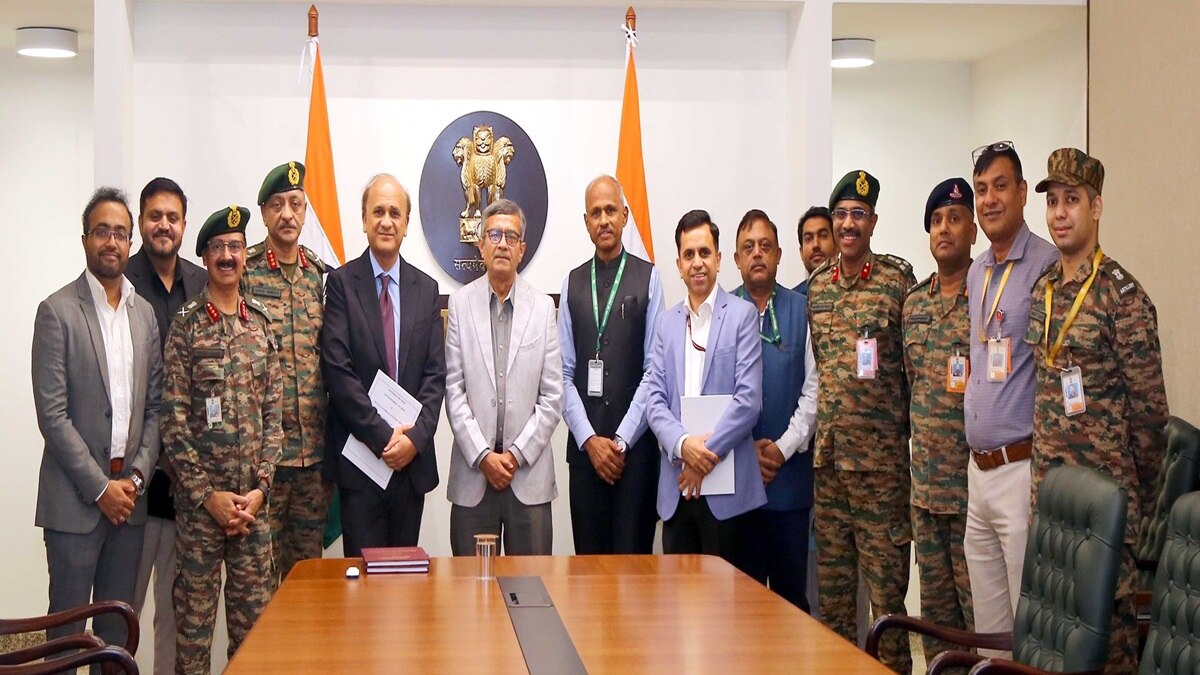
Defence Ministry signs record Rs 1,577 crore loitering munition contracts

Iran Claims US MQ-9 Drone Downed Near Hormuz
Army Awards $2.2 Billion for Small Nuclear Reactors

India Leases Two MQ-9B Sea Guardian Drones for Navy
Trump's costly fleet ambitions push overstretched US Navy to limits
