2 hrs ago
Boeing’s Spirit Acquisition Adds Hundreds of Millions in Liabilities

Boeing bought an airplane-parts company called Spirit AeroSystems for $8.4 billion.
Spirit made important parts for Boeing, including airplane fuselages.
After the purchase, Boeing found that some of Spirit’s contracts could cost more money than they were worth.
The estimated cost of those contracts increased by $455 million.
Accounting rules allowed Boeing to record much of this change on its balance sheet instead of showing it as a new loss right away.
Boeing says bringing Spirit inside the company is improving production and quality.
The article says the numbers suggest Boeing bought a troubled supplier because it needed to protect its supply chain.
Any additional problems found after the accounting adjustment period could affect Boeing’s income statement directly.

Boeing reported a pretax loss of $339 million for the first half of 2026.
Boeing paid $8.4 billion for Spirit AeroSystems in December, including stock, loan settlements and debt repayments.
The estimated liability for Spirit’s off-market customer contracts increased by $455 million to about $1.5 billion.
Boeing raised goodwill tied to the acquisition from $10 billion to $10.3 billion after reassessing Spirit’s assets and liabilities.
The acquisition was intended to bring manufacturing in-house and protect Boeing’s supply chain after years of production and safety problems.
- Who
- Boeing and Spirit AeroSystems, with Boeing shareholders affected by the acquisition’s financial consequences.
- What
- Boeing reported a first-half pretax loss and increased the estimated liabilities and goodwill associated with its purchase of Spirit AeroSystems.
- Where
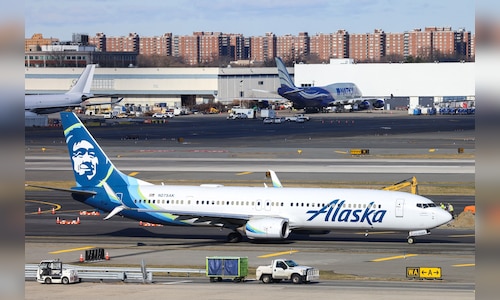
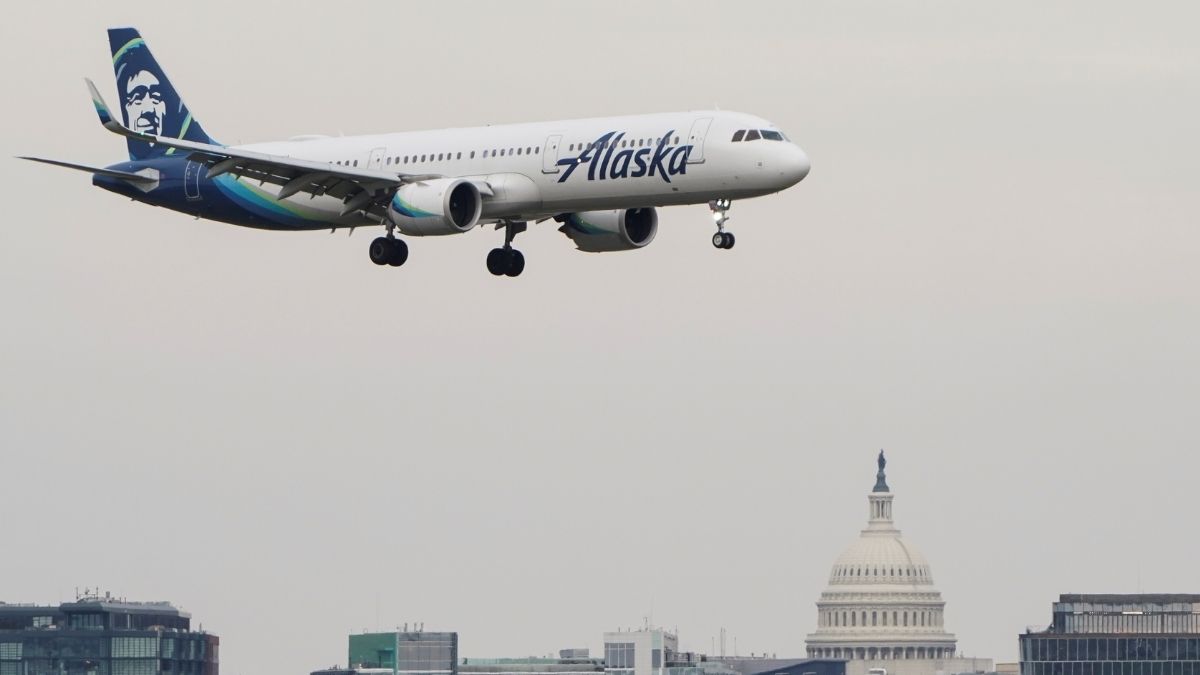
- The acquisition concerns Boeing and Spirit’s aircraft-manufacturing operations; the article also references an Alaska Airlines flight in 2024.
- When
- Boeing completed the acquisition in December; the updated figures were reported as of June 30, 2026, following a first-half loss.
- Why
- Boeing bought Spirit to bring more manufacturing in-house, strengthen production and quality, and protect a supply chain dependent on the struggling supplier.
Financial Concerns
Boeing’s Integration Case
Meaning of the accounting changes
Financial Concerns
The increased liabilities and goodwill suggest Boeing uncovered additional costs and that Spirit’s contracts are a financial burden.
Boeing’s Integration Case
Boeing’s statement emphasizes that the integration is progressing and is strengthening production, quality performance and future capacity.
Reason for buying Spirit
Financial Concerns
The article argues Boeing may have felt compelled to buy Spirit to preserve its supply chain, allowing the troubled supplier to command a large premium.
Boeing’s Integration Case
Boeing presents the acquisition as an important step toward bringing manufacturing capabilities in-house and improving its production system.
Impact on reported results
Financial Concerns
The accounting treatment delayed the effect of the newly identified liabilities on Boeing’s income statement; further deterioration after the one-year period could hit earnings directly.
Boeing’s Integration Case
Boeing’s disclosed accounting adjustments complied with rules that allow purchase-price allocations to be revised during the first year after an acquisition.
Key facts
- Boeing first-half pretax result
- Loss of $339 million in the first half of 2026
- Spirit acquisition price
- $8.4 billion, including common stock, loan settlements and debt repayments
- Initial goodwill
- $10 billion as of December 31
- Updated goodwill
- $10.3 billion as of June 30
- Contract liability increase
- $455 million, bringing the estimated liability for certain customer contracts to about $1.5 billion
- Spirit revenue concentration
- About 58% of Spirit’s revenue came from Boeing in 2024
- Boeing share decline
- The stock has fallen by more than half since its 2019 peak
Quotes
A Boeing spokesman
Company spokesperson responding to questions about Boeing’s accounting for the Spirit AeroSystems acquisition
“Boeing’s integration of former Spirit AeroSystems commercial operations is progressing well and remains an important part of strengthening the company’s production system, quality performance and capability to meet future rate increases.”
 livemint.com
Sources
Related news

Singapore Airlines Faces S$1 Billion Loss on Air India Stake

Air New Zealand Reports Smaller Loss, Avoids Immediate Profit Pledge

Madhya Pradesh Puts Crashed ₹65-Crore Aircraft on Sale
Air India Nears $1.1 Billion Owner Support Amid Losses
Boeing to Pay $29 Million to UN Crash Victim's Family
SpiceJet Ends Boeing 737 MAX Operations Amid Financial Crisis

Google Adds AI Travel Tools for Flights, Miles and Hotels
FAA directs inspections of 737 Max jets over possible cracks
Alaska Airlines Retires Virgin America Brand

Bilt 2.0 Credit Cards: New Features and Benefits