

3 days ago
Air New Zealand Reports Smaller Loss, Avoids Immediate Profit Pledge

Air New Zealand lost money during its latest financial year.
Its pretax loss was NZ$336 million, but that was less than the company had feared.
Fuel became more expensive, partly because of the Middle East war.
Problems repairing some aircraft engines also forced the airline to lease less-efficient planes and reduce flights on important routes.
The airline is cutting costs and delaying some new aircraft deliveries.
It expects engine-related disruptions to improve as planes return to service.
However, fuel, maintenance, and airport costs may still hurt results next year.
The airline wants its underlying business to make a profit in 2027, but it has not officially promised that outcome.

Air New Zealand reported a NZ$336 million pretax loss for the year ended June 30.
The loss was smaller than the company’s previous estimate of up to NZ$390 million.
Higher fuel costs linked to the Middle East war cost NZ$135 million.
Engine maintenance problems added NZ$190 million in costs and reduced route capacity.
The airline aims to restore underlying profitability in 2027 but provided no formal earnings guidance.
- Who
- Air New Zealand, led by Chief Executive Officer Nikhil Ravishankar.
- What
- Reported a NZ$336 million pretax loss and discussed a possible recovery toward profitability.
- Where
- Air New Zealand is based in Auckland, New Zealand.
- When
- The loss covered the 12 months through June 30; the company discussed its 2027 financial outlook.
- Why
- Higher fuel prices, aircraft-engine maintenance problems, aircraft leasing, reduced capacity, routine maintenance, and higher airport charges affected results.
Company Recovery Outlook
Analyst Caution
Timing of profitability
Company Recovery Outlook
Air New Zealand said it had expected to return to profitability in the 2027 financial year before the Middle East conflict and that its goal remains restoring underlying performance to profit in 2027.
Analyst Caution
Executives declined to provide direct 2027 earnings guidance, while the average estimate from Bloomberg-surveyed analysts was that profitability would not return until 2028.
Effect of elevated fuel prices
Company Recovery Outlook
The airline said fare and capacity adjustments, along with measures already introduced, could offset a larger share of higher fuel costs.
Analyst Caution
The company acknowledged that elevated fuel prices would continue to weigh on profitability and could require serious consideration of further capacity reductions.
Key facts
- Pretax loss
- NZ$336 million for the 12 months through June 30.
- Previous loss estimate
- The company had indicated the loss could reach NZ$390 million.
- Fuel impact
- Higher fuel costs reduced results by NZ$135 million, even after fare increases.
- Engine-related impact
- Maintenance issues involving certain Rolls-Royce and Pratt & Whitney engines added NZ$190 million in costs.
- 2027 engine costs
- Lease commitments related to engine availability could cost as much as NZ$90 million in 2027.
- Capacity response
- The airline has reduced capacity on key routes and is considering further capacity adjustments if fuel prices remain elevated.
- Profit objective
- Air New Zealand’s stated goal is to return the underlying business to profit in 2027, without providing formal earnings guidance.
Quotes
Nikhil Ravishankar
Chief executive officer of Air New Zealand
“It’s been a very challenging year for aviation, and our financial result reflects these challenges. We are making deliberate choices on capacity and taking a disciplined approach to both our costs and our capital.”
 livemint.com
“If fuel prices remain elevated, then we do have to look at the capacity lever quite seriously, and we are.”
livemint.com
Sources
Related news
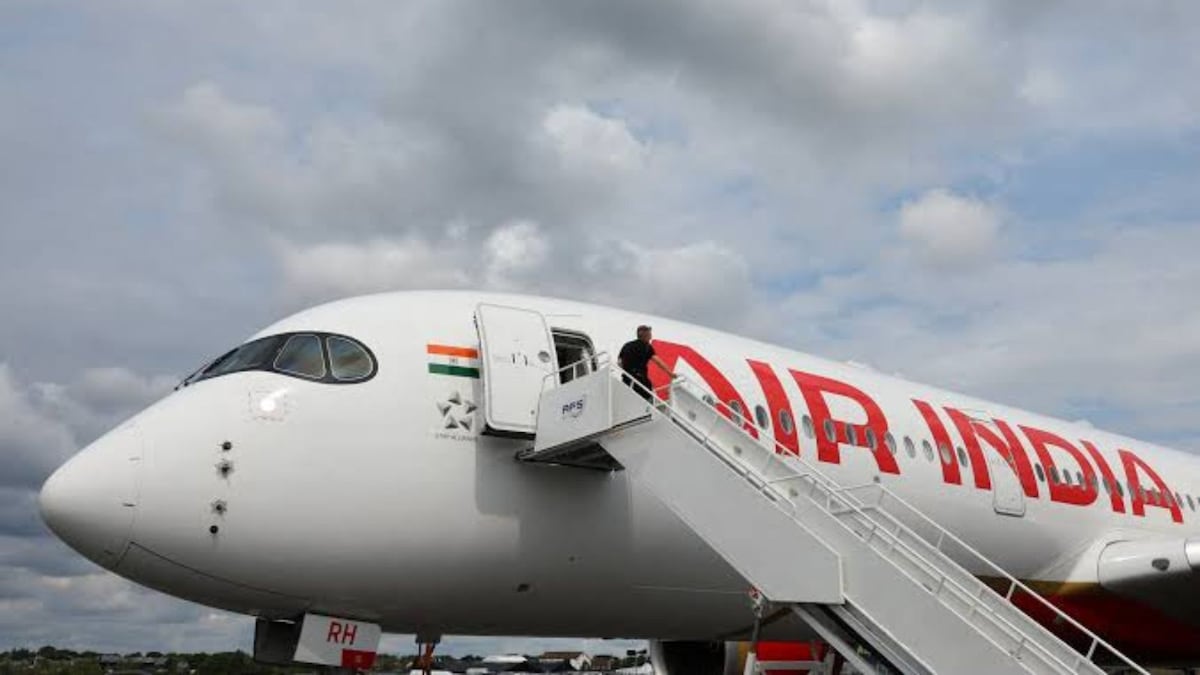
Air India Seeks $1.5 Billion as Record Losses Mount
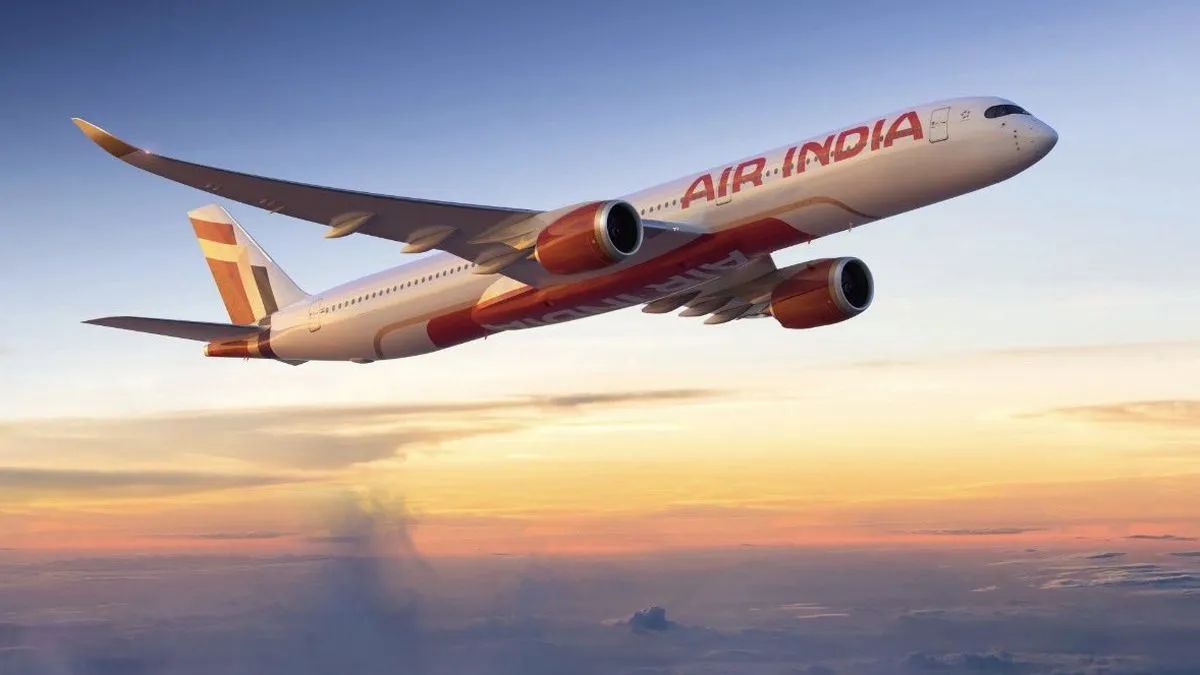
Air India's turnaround enters next test under new leadership

Singapore Airlines Faces S$1 Billion Loss on Air India Stake

Air India, Tata Digital losses dent Chandrasekaran's robust Tata armour
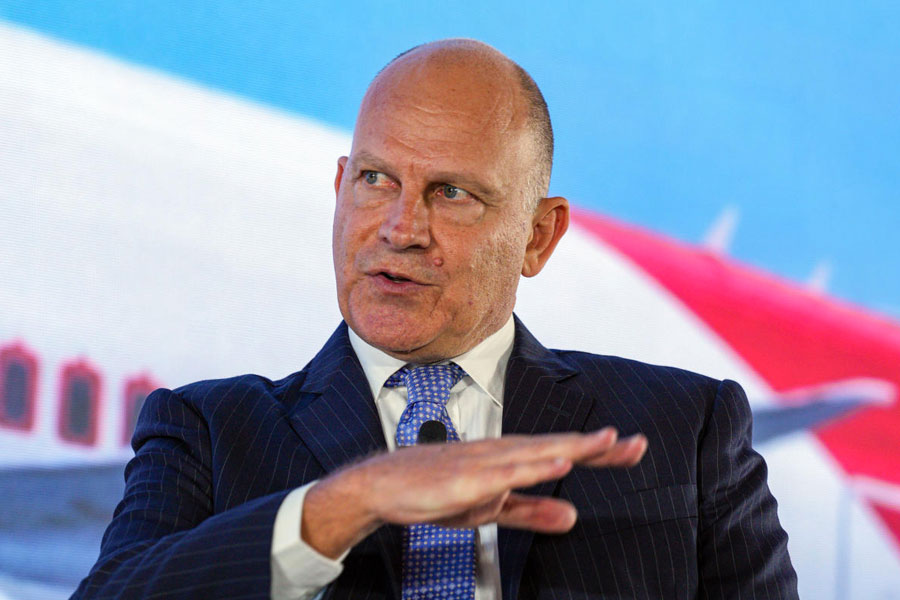
Campbell Wilson Joins Air New Zealand Board Amid Fleet Pressures

India and UK Advance Military Production and Defence Cooperation

Indian Stocks Mixed as Jewellers Debuts, Orders Lift Shares

Deep-tech Investments Rise in India, Patient Capital Tests Success

RIL-Rolls-Royce Fighter Engine Partnership Raises Questions for HAL Investors
