

3 weeks ago
FAA directs inspections of 737 Max jets over possible cracks
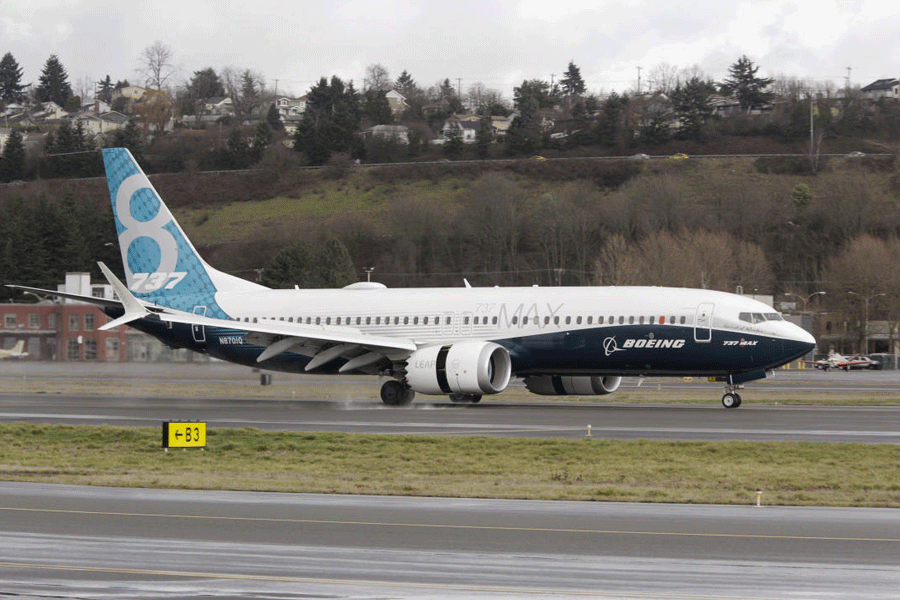
Airplanes are checked very carefully to make sure they are safe.
The Federal Aviation Administration, or FAA, is the United States group that checks plane safety.
It told airlines to inspect 471 Boeing 737 Max planes for tiny cracks.
Cracks could appear in metal parts that strengthen the plane near the front doors.
Cracks were found on some older Boeing planes, and the new planes look similar to them.
No cracks have been found yet in the Max planes, but the FAA wants to be careful.
If airlines find a crack, they have to fix it.
The rule starts on September 10.
Boeing says it is helping airlines and working on ways to stop cracks in the future.
India has 56 of these planes, and they are still flying there.

The US Federal Aviation Administration (FAA) finalized an airworthiness directive covering 471 Boeing 737 Max jets, requiring inspections for possible cracks in a component that reinforces the front door frame.
The directive, posted Thursday and effective September 10, applies to the 737 Max 8, Max 9, and 8200 variants and follows an airworthiness proposal first reported in November.
Cracks were previously found in the bear strap and stub frame near the forward galley door cutout of some older Next-Generation 737s, and no cracks have been reported yet in the Max models.
Boeing said it identified the issue and has worked with operators for six years, supports both directives, and is developing changes to prevent future cracking.
India operates 56 Boeing 737 Max planes — 25 by Air India Express, 24 by Akasa Air, and seven by SpiceJet — with no recent engine failures reported by Indian operators.
- Who
- The US Federal Aviation Administration (FAA), aircraft maker Boeing, and airlines operating affected 737 Max jets.
- What
- The FAA issued an airworthiness directive requiring inspections of 471 Boeing 737 Max jets for possible cracks in a front door-frame reinforcement component that could compromise aircraft structural integrity.
- Where
- Issued by the US regulator, applying to in-service 737 Max aircraft globally, including 56 jets operated in India.
- When
- The directive was posted Thursday and takes effect on September 10; it follows an airworthiness proposal first reported in November last year.
- Why
- To address a potential unsafe condition in which cracks could adversely affect the structural integrity of part of the plane.
Key facts
- Affected aircraft
- 471 Boeing 737 Max jets
- Affected variants
- 737 Max 8, Max 9, and 8200
- Effective date
- September 10
- Issue
- Possible cracks in component reinforcing front door frame; bear strap and stub frame near forward galley door cutout
- Required actions
- Inspect existing repairs and fuselage skin, conduct repeat inspections, carry out corrective actions
- Boeing's response
- Supports both directives, worked with operators for six years, completed engineering review, developing changes to prevent future cracking
- 737 Max jets in India
- 56 (Air India Express 25, Akasa Air 24, SpiceJet 7)
- Background
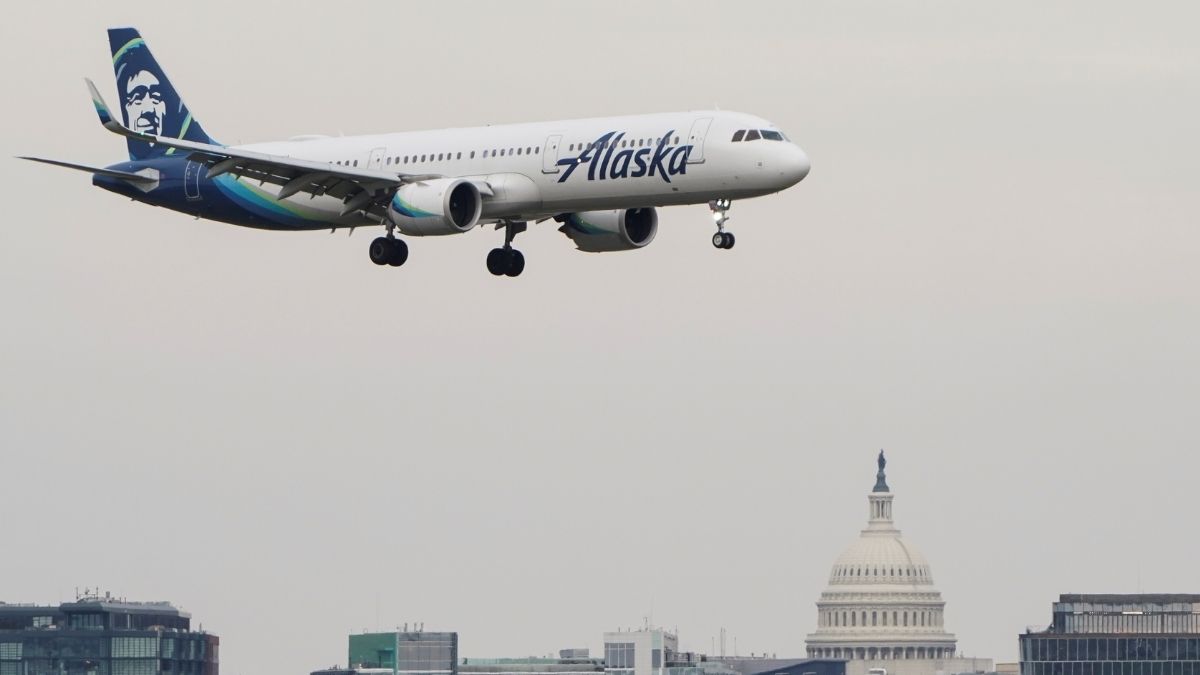
- Two fatal 737 Max crashes in 2018-2019 killed at least 346 people; 2024 Alaska Airlines 737 Max 9 door-plug incident
Quotes
Boeing spokesperson
Representative for Boeing aircraft manufacturer
“The FAA Airworthiness Directive published today mandates the inspections, as it did for the 737 Next Generation.”
 livemint.com
“"We support both directives and continue to support our airline customers"”
 telegraphindia.com
Minister of State for Civil Aviation Murlidhar Mohol
Government minister overseeing civil aviation in India
“No engine failures have been reported by the Indian operators related to the Boeing 737 Max aircraft recently.”
livemint.com
Sources

Related news
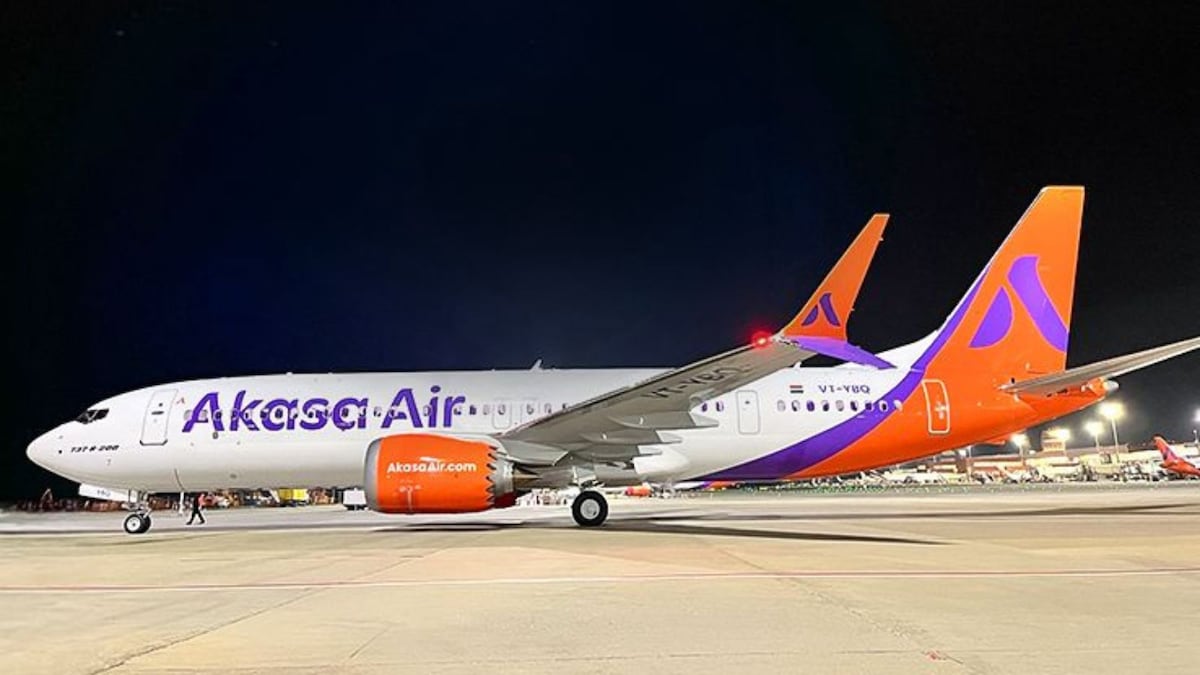
Akasa Air, AI Express say B737s unaffected by FAA directive

Aviation Ministry Orders Airline Audits Ahead Of FAA Assessment
DGCA Reports Serious Findings in Four Indian Airlines’ Audits
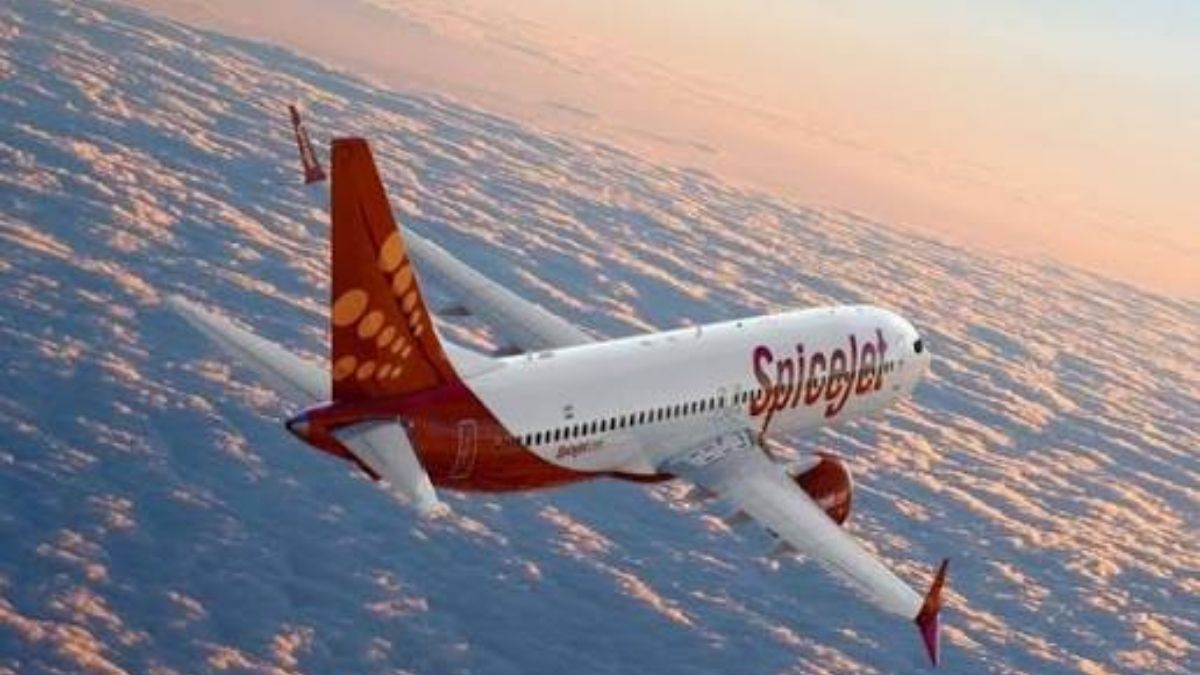
SpiceJet Ends Boeing 737 MAX Operations Amid Financial Crisis

Bird remains found in Ryanair 737 engine after Greek incident

Google Adds AI Travel Tools for Flights, Miles and Hotels
Alaska Airlines Retires Virgin America Brand

Bilt 2.0 Credit Cards: New Features and Benefits
Boeing and Alaska Airlines Announce Largest Fleet Deal
