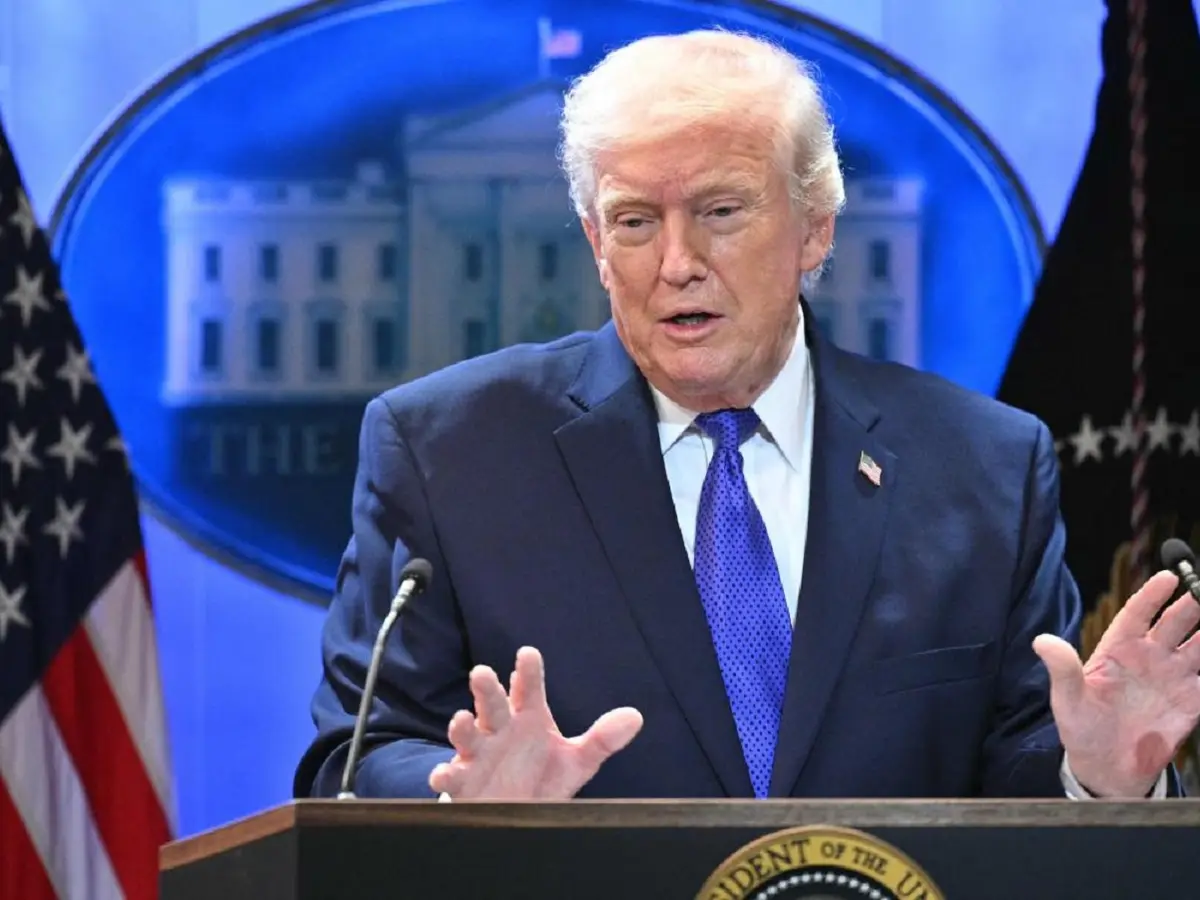
3 weeks ago
Iran Slams US Sanctions 'Addiction' as Trump Seeks Compensation

The United States and Iran are two countries that have been in a big argument for five months.
The American leader, President Trump, and his helpers have been using rules to make it hard for Iran to get money.
Iran's spokesperson said the United States is 'addicted' to these money rules.
He said the US uses them every time it can't talk things out.
Both sides say the other country should pay for people who were hurt or killed.
Trump says Iran should pay for harm done to Americans.
Iran says the US should pay for damage it has caused.
There is a very important sea path called the Strait of Hormuz that ships use.
Iran says it will open it again only if the US stops its actions and pays.
Trump says the waterway is already open and controlled by the US.
Leaders are still deciding what to do next.

Iran's Foreign Ministry spokesperson Esmail Baqaei accused the US of being 'addicted' to sanctions after Treasury Secretary Scott Bessent reportedly said sanctions were 'suffocating' Tehran.
Trump rejected Tehran's compensation demands and in turn demanded that Iran pay compensation for Americans killed or wounded by roadside bombs and conflicts, as well as for protesters he said Iran killed over 50 years.
Iran tied the reopening of the Strait of Hormuz to the US ceasing 'hostile actions,' lifting the siege, and paying compensation, while Trump said the strait is 'open now' and completely controlled by the US.
Trump said Washington is taking a 'low-key' approach, letting economic pressure and the US naval blockade do the job, and pointed to Iran's 'huge inflation.'
A 14-point memorandum of understanding signed in June outlined a $300 billion fund for Iran's post-war rehabilitation, even as Trump insisted compensation for Tehran was never part of negotiations.
- Who
- US President Donald Trump, Treasury Secretary Scott Bessent, Iran's Foreign Ministry spokesperson Esmail Baqaei, and Iranian officials.
- What
- Iran accused the US of being 'addicted' to sanctions, while Trump rejected Tehran's compensation demands and demanded compensation from Iran, amid ongoing tensions over the Strait of Hormuz.
- Where
- The United States, Iran, and the Strait of Hormuz, with Iran reportedly working on a deal with Oman regarding a shipping route.
- When
- Recent weeks, with Iran's remarks on a Tuesday after Trump's comments to Axios on Sunday, 9 August and to ABC News on Monday; the conflict has lasted about five months.
- Why
- Tensions from the five-month US-Iran conflict persist over sanctions, compensation demands, and the control and reopening of the Strait of Hormuz.
Iran's View
The US View
Sanctions policy
Iran's View
Sanctions are an American 'addiction' that show Washington cannot pursue diplomacy; they are hostile actions that must be lifted.
The US View
Economic pressure is working, 'suffocating' Iran, and the US is using a 'low-key' approach of letting sanctions and the naval blockade do the job.
Compensation demands
Iran's View
Iran demands compensation from the US for damages and says the Strait of Hormuz will not reopen unless it is paid.
The US View
Trump rejects Tehran's demands and demands Iran compensate the US for Americans killed or wounded and for protesters killed over 50 years, saying Iranian compensation was never part of negotiations.
Strait of Hormuz status
Iran's View
The waterway cannot be safely reopened while hostile US actions and the siege continue.
The US View
The strait is 'open now' and completely controlled by the US, though Iran could 'make trouble.'
Key facts
- Iran's Foreign Ministry spokesperson
- Esmail Baqaei
- US Treasury Secretary
- Scott Bessent
- US-Iran conflict duration
- Five months
- June agreement
- 14-point memorandum of understanding
- Fund planned in MoU
- $300 billion for Iran's rehabilitation and economic development
- Strait of Hormuz (US view)
- 'Open now' and completely controlled by the US
- Strait of Hormuz (Iran view)
- Reopening contingent on US ending hostile actions, lifting the siege, and paying compensation
- US strategy
- 'Low-key' approach relying on economic pressure and naval blockade
Quotes
Esmail Baqaei
Iranian Foreign Ministry spokesperson
“The US Secretary of the Treasury has boasted of ‘suffocating’ Iran through economic sanctions. Beyond its sheer pathos, the claim is a stark testament to America’s compulsive addiction to sanctions.”
 livemint.com
“I am likewise demanding compensation from Iran for all of the people that they have killed and gravely wounded with their roadside bombs and many conflicts.”
livemint.com
Sources
Related news
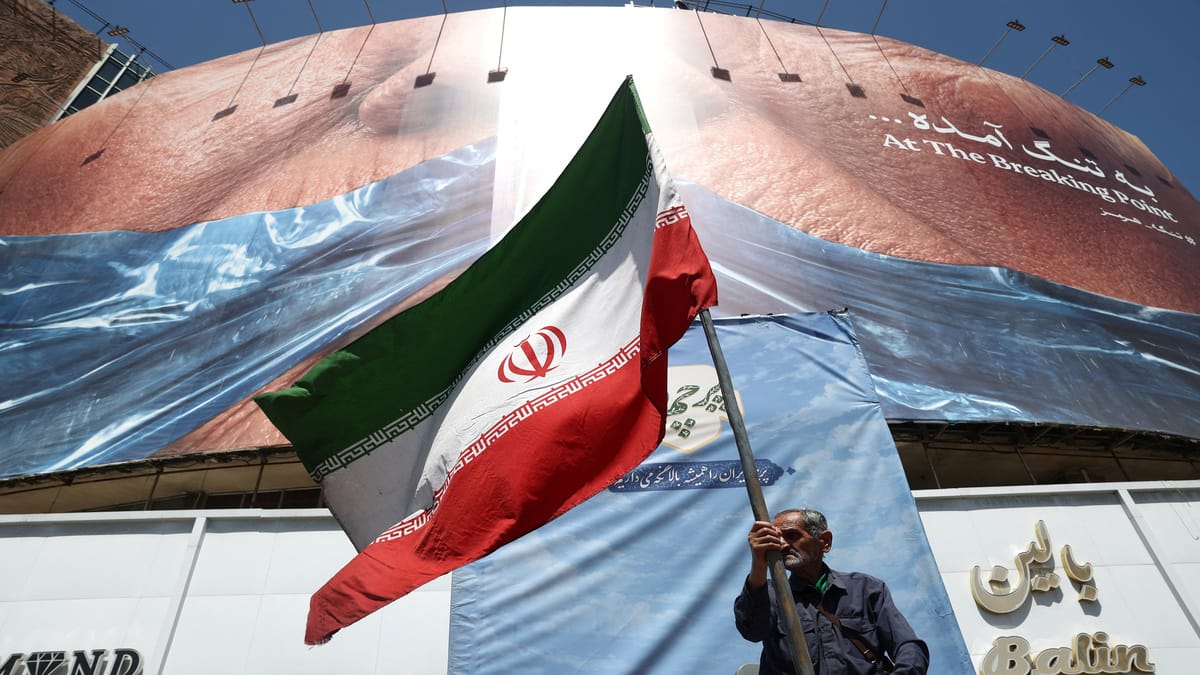
Iran Says US 'Addicted' To Sanctions, Incapable Of Diplomacy
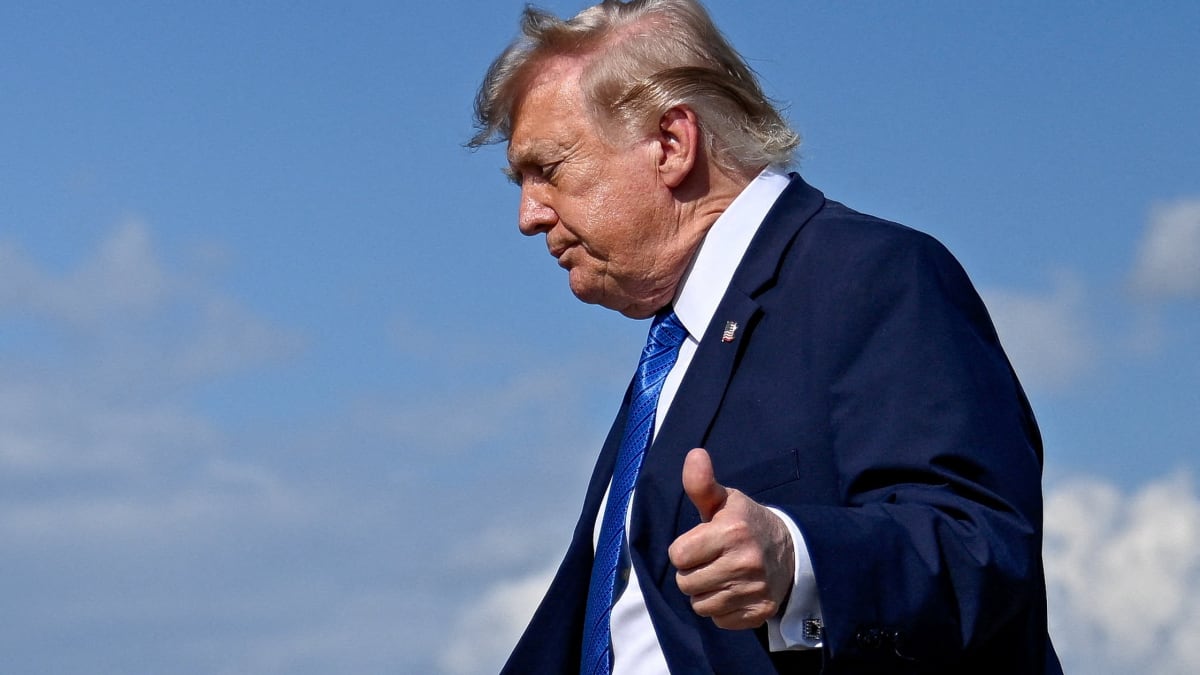
Trump demands Iran pay compensation; Strait of Hormuz deal stalls
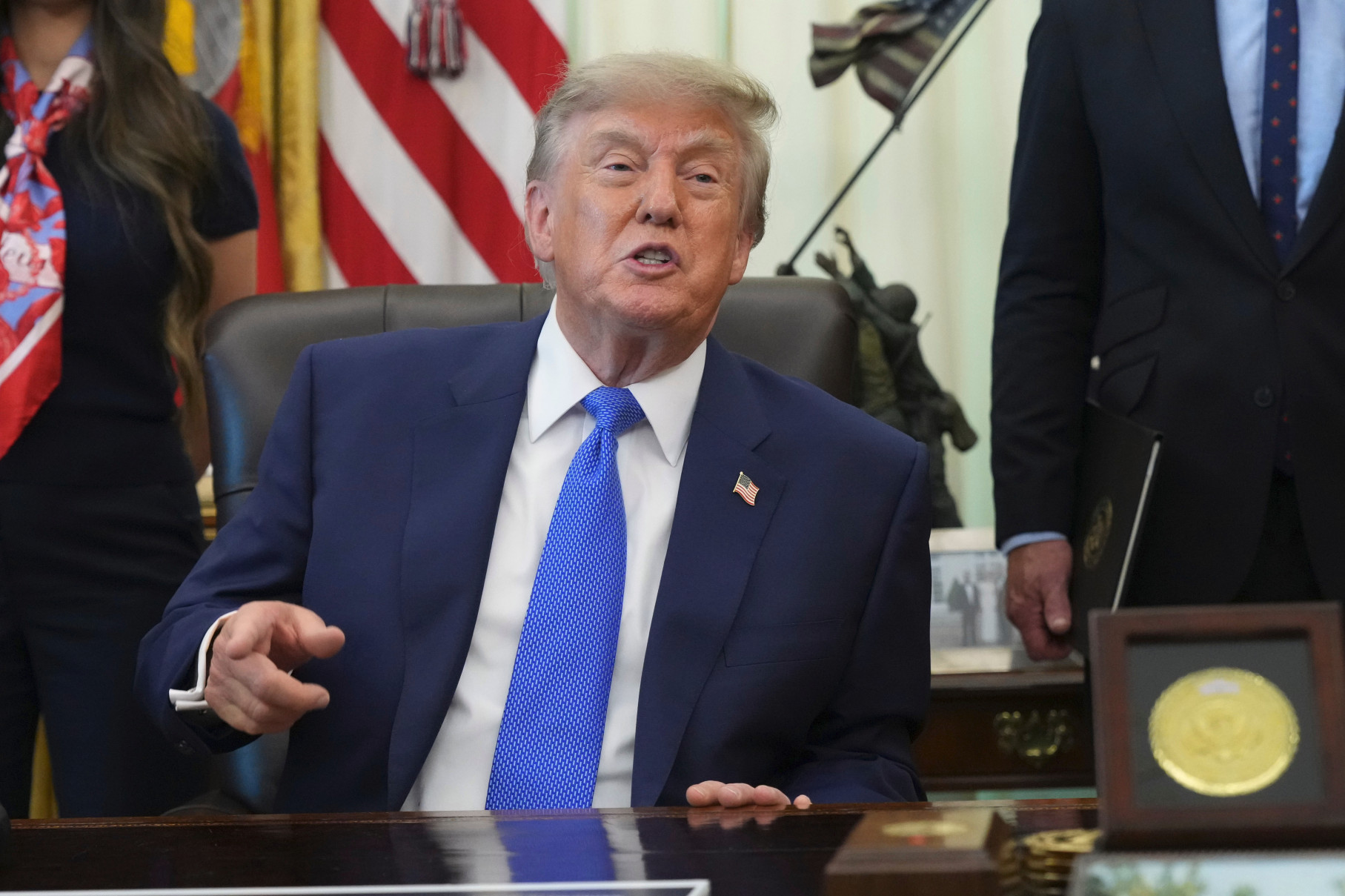
Trump Demands Iranian Reparations, Dimming Hopes for Hormuz Deal

Oil Gains Persist as Trump, Iran Clash Over Hormuz Reopening

US Iran Confrontation Escalates as Sanctions and Hormuz Dispute
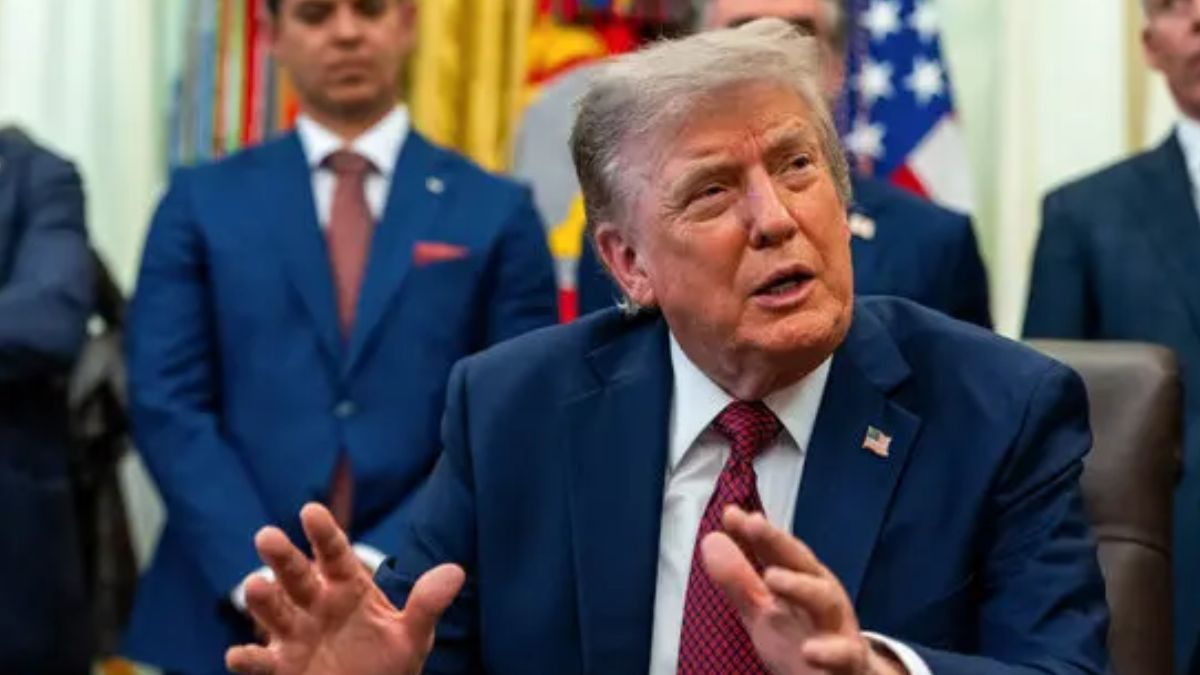
Trump Rejects Iran's Compensation Demand, Issues Counter-Claim for Casualties
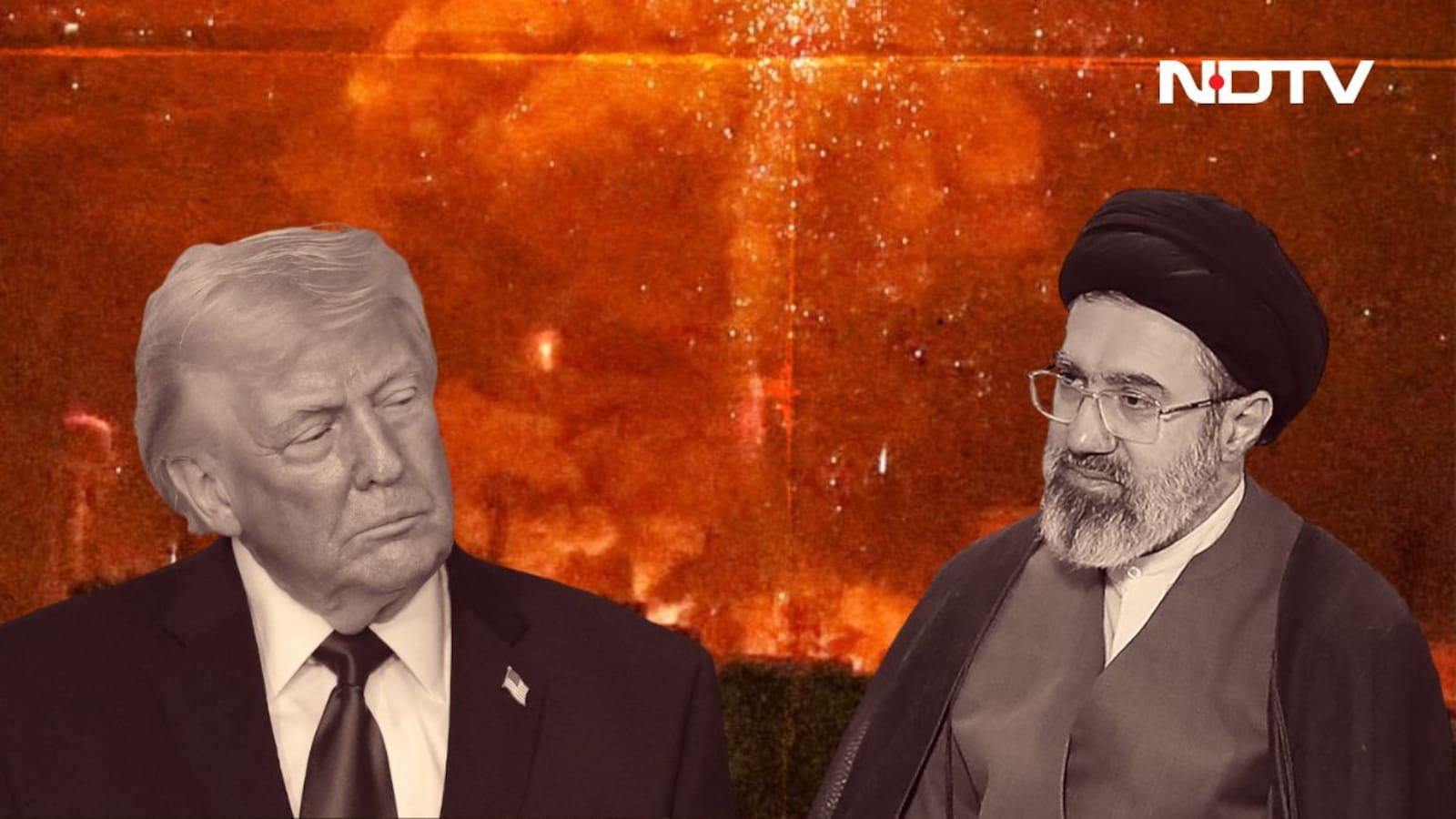
US-Iran Strikes Escalate as Tehran Warns of New Strategy
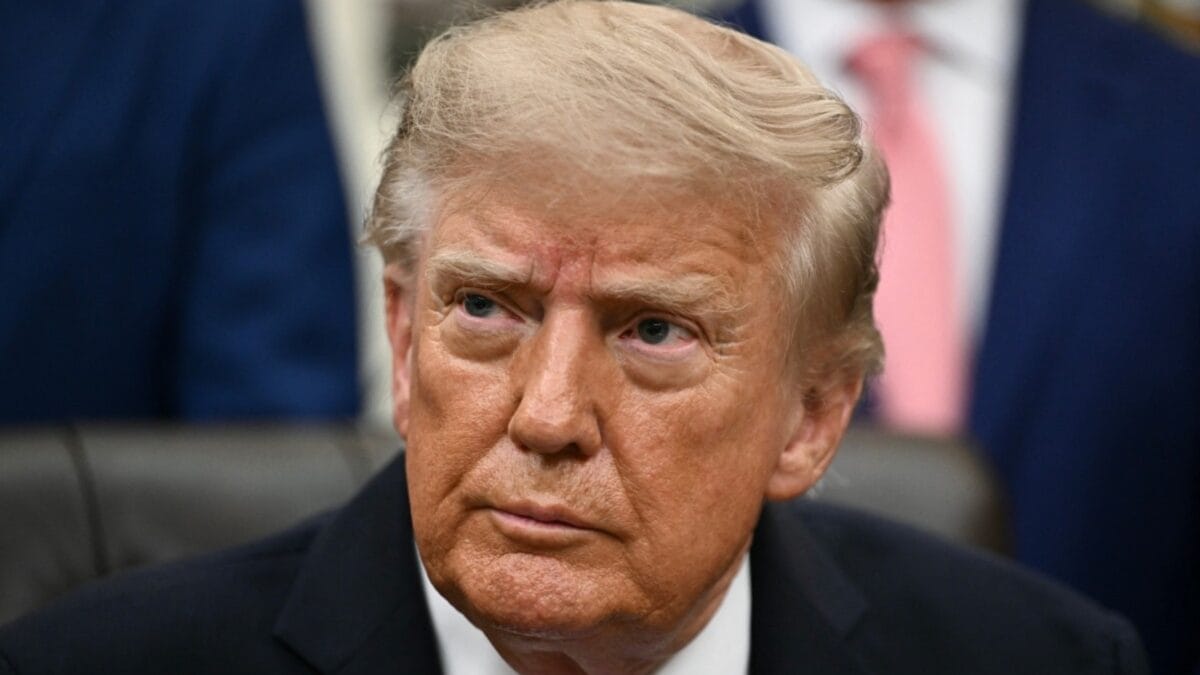
Trump Warns of Fresh Iran Strike After Heavy Attack

Trump Says US Could Attack Iran Again at Will

U.S. Treasury Yields Ease as Jobs Data Misses Expectations
Iran Seizes Fuel-Smuggling Vessel in Gulf, Arrests 11 Crew