

3 weeks ago
Acharya Balkrishna: copper vessels purified water long before filters

Long ago, before people had water filters, many families in India kept their drinking water in copper pots.
A man named Acharya Balkrishna recently talked about this old habit on Facebook.
He said that if you keep water in a copper pot for eight hours, it can help clean the body.
Scientists say something true happens: a tiny bit of copper gets into the water, and copper can kill germs like E. coli.
Doctors noticed long ago that copper miners did not get cholera very often.
Copper is also something our bodies need in small amounts to make red blood cells.
Some people also add tulsi leaves to the water, a plant thought to help with coughs and mucus.
A study showed that water with both copper and tulsi killed germs even better.
But doctors say the bigger claims, like fixing doshas or flushing out toxins, are not proven by big scientific studies yet.
Still, storing water in copper was a clever way to make water safer.

Acharya Balkrishna posted on Facebook that keeping drinking water in copper vessels for eight hours clears the body's doshas and pushes out toxins.
He recommends dropping a few tulsi leaves into stored water to help with kapha issues such as mucus buildup and cough.
Copper's antibacterial effect, known as the oligodynamic effect, is measurable and fights germs like E. coli that cause waterborne illness.
In the 1800s, people noticed copper miners rarely got cholera, showing the practice was a genuine workaround for dirty water.
The article notes copper's bacteria-killing effect is well established, but toxin-flushing and dosha-balancing claims come from tradition and need clinical trials.
- Who
- Acharya Balkrishna, who made a Facebook post about the practice; the article also mentions scientists, doctors, and grandmothers across India.
- What
- An explanation of the Ayurvedic practice of storing drinking water in copper vessels (tamra jal) for about eight hours, with tulsi leaves recommended for kapha issues and copper's bacteria-killing oligodynamic effect cited.
- Where
- India, where Indian kitchens and grandmothers across the country traditionally practiced this.
- When
- Recently — the article gives no exact date for the Facebook post; it also references historical observations from the 1800s.
- Why
- To explain that the old copper-vessel habit was a genuine way to purify water and provide a mineral the body needs, while acknowledging that larger health claims still lack clinical proof.
Tradition and Ayurveda
Evidence-based medicine
Health benefits of copper water
Tradition and Ayurveda
Copper water clears the body's doshas, flushes out toxins, and acts as a rasayana that rejuvenates the body.
Evidence-based medicine
Only the bacteria-killing effect and the mineral content are established; disease-curing claims come from tradition and need large clinical trials.
Adding tulsi to copper water
Tradition and Ayurveda
Tulsi calms kapha problems like mucus and cough, and the combination makes the water more powerful.
Evidence-based medicine
Evidence is limited to one study showing copper plus tulsi fought bacteria harder than copper alone; broader healing claims are unproven.
Key facts
- Practice name
- Tamra jal (copper water)
- Recommended storage time
- About eight hours
- Key effect
- Oligodynamic effect - copper leaches into water and kills bacteria such as E. coli
- Additional ingredient
- Tulsi leaves, suggested for kapha issues like mucus and cough
- Ayurvedic classification
- Rasayana (rejuvenating substance)
- Doshas mentioned
- Vata, pitta, kapha
- Historical note
- In the 1800s, copper miners rarely got cholera
- Study finding
- Water with copper and tulsi fought bacteria harder than copper water alone
Quotes

Acharya Balkrishna
Founder of the Patanjali Ayurved organization and author on Ayurvedic practices
“Keep your drinking water in copper vessels for eight hours, he wrote, and it clears out the body’s doshas and pushes toxins out.”
 thestatesman.com
“Drop a few tulsi leaves into the water before you store it, he said.”
thestatesman.com
Sources
Related news

Expert Warns Reusable Water Bottles Harbor Hidden Germs

Dhaniya Water for Acidity: An Old Kitchen Remedy Worth Trying
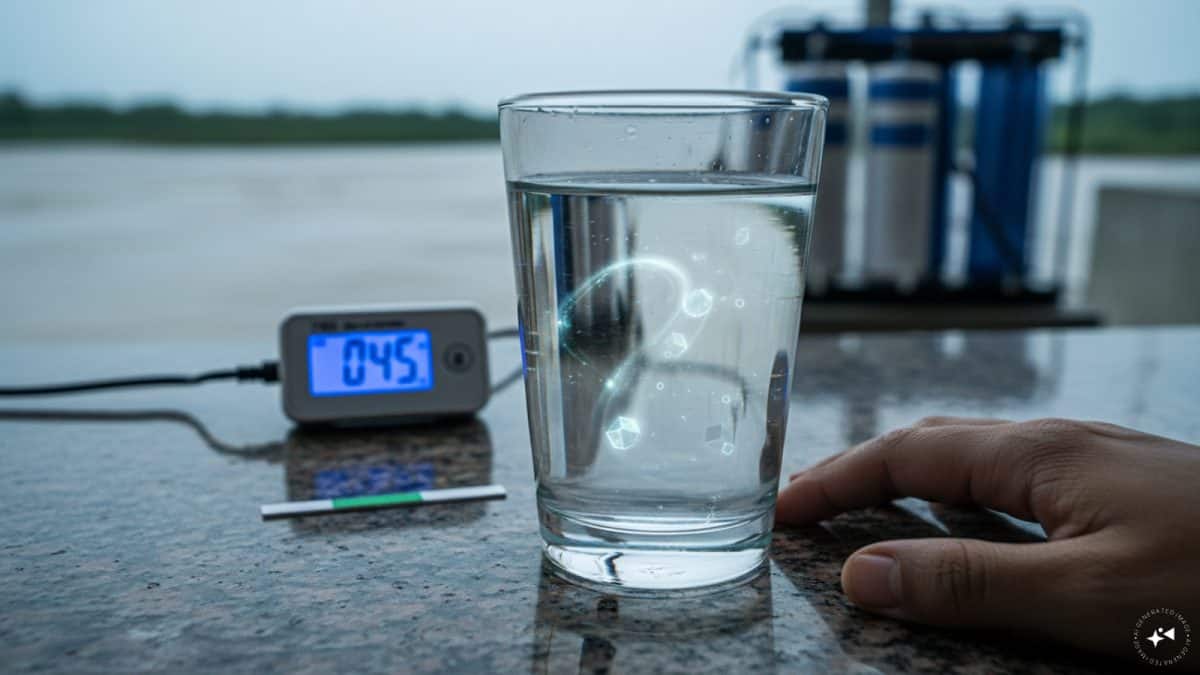
Clear Water Can Hide Contaminants Beyond TDS and pH
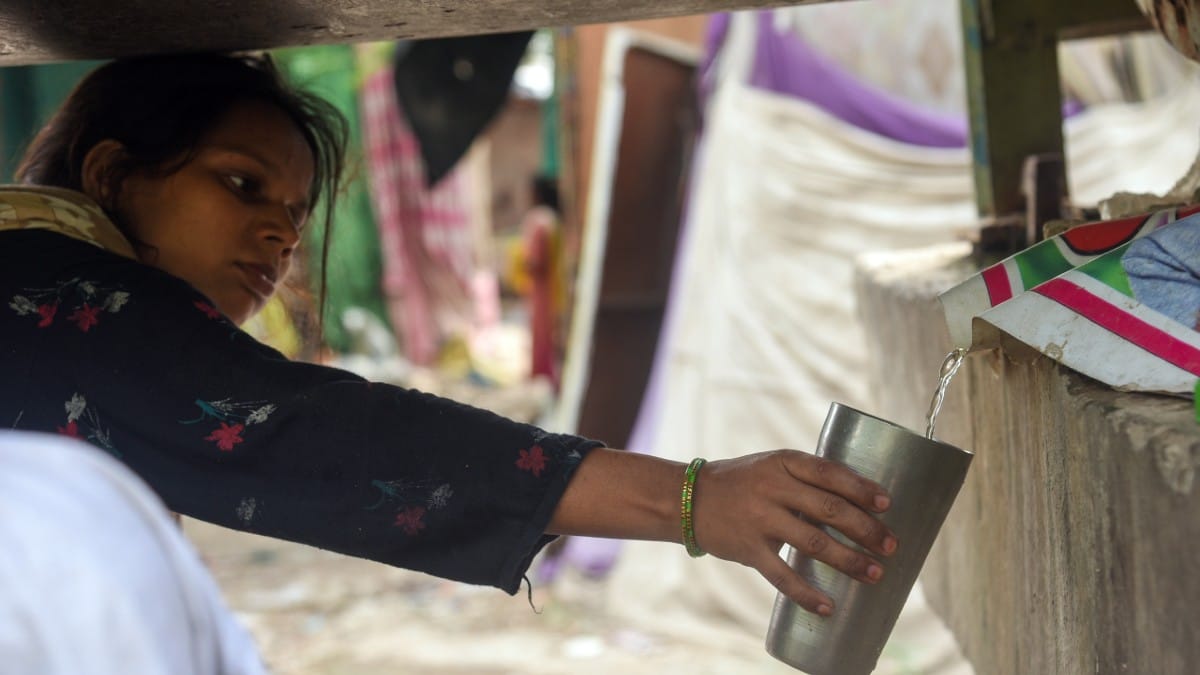
MIT-Born Tap Filter Challenges India’s Reliance on RO Purifiers

Tulsi Manjari and Rock Salt Offered for Throat Swelling

Shubhra Shetty Teases Anurag Kashyap Over Hydrogen Water

Acharya Balkrishna reveals Patanjali's advanced Ayurvedic research lab

Patanjali Reports 1.38 Crore Patients, Global Wellness Reach

Acharya Balkrishna Promotes Fennel-Cumin Remedy for Loose Motions

Acharya Balkrishna Shares Coconut Oil Lemon Remedy for Dark Patches

Patanjali Yog Gram Offers Ayurveda Wellness Retreat In Haridwar
