

1 hr ago
India Plans ₹10,000-Crore Push to Modernise Weather Forecasting

India wants to spend more money to improve weather forecasts.
The plan could expand Mission Mausam by ₹10,000 crore.
The money may pay for more radars, satellites, computers and trained workers.
Better forecasts could help people prepare for storms, heatwaves, floods and landslides.
Farmers, airlines, transport companies and insurers could use the information to make safer plans.
The Finance Ministry is still studying whether the government can afford the proposal.
Experts say better observations and faster computers can make forecasts more accurate.
Earlier warnings may help reduce damage and save lives.

The Centre is considering a ₹10,000-crore expansion of Mission Mausam to modernise India’s forecasting system.
The proposal would fund additional weather radars, satellites, computing capacity and trained personnel.
The Finance Ministry is evaluating the fiscal impact and is expected to decide shortly.
The initiative aims to improve prediction models and provide stronger early warnings for extreme weather.
India’s weather-related losses include an estimated annual GDP impact of 0.4%, according to an OECD-linked outlook.
- Who
- The Centre, led by the Ministry of Earth Sciences, is proposing the expansion, while the Finance Ministry is assessing its cost.
- What
- A proposed ₹10,000-crore expansion of Mission Mausam would modernise India’s weather forecasting and early-warning systems.
- Where
- Across India.
- When
- The proposal is under evaluation, with a decision expected shortly; Mission Mausam began in January 2025.
- Why
- Erratic weather and rising extreme-weather risks are increasing social and economic costs and creating demand for more accurate forecasts.
Key facts
- Proposed expansion
- ₹10,000 crore
- Mission Mausam spending through FY26
- ₹1,346 crore
- Budgeted for FY27
- ₹1,342 crore
- Original Mission Mausam outlay
- ₹2,000 crore for 2024–26
- Planned capabilities
- More weather radars, satellites, computing capacity, forecasting models and trained manpower
- Estimated economic impact
- India loses about 0.4% of GDP annually to natural disasters and extreme weather, according to an OECD Development Centre outlook
- Early-warning benefit
- The World Meteorological Organization says 24 hours’ notice of a storm or heatwave can reduce potential damage by 30%
Quotes
B.N. Goswami
Former director of the Indian Institute of Tropical Meteorology, Pune
“The biggest gains in forecasting accuracy will come from a combination of denser observations, better computing and higher-resolution models. Additional radars and weather stations can improve observation, and better computing models will help in making more precise weather forecasts.”
 livemint.com
Sources
Related news
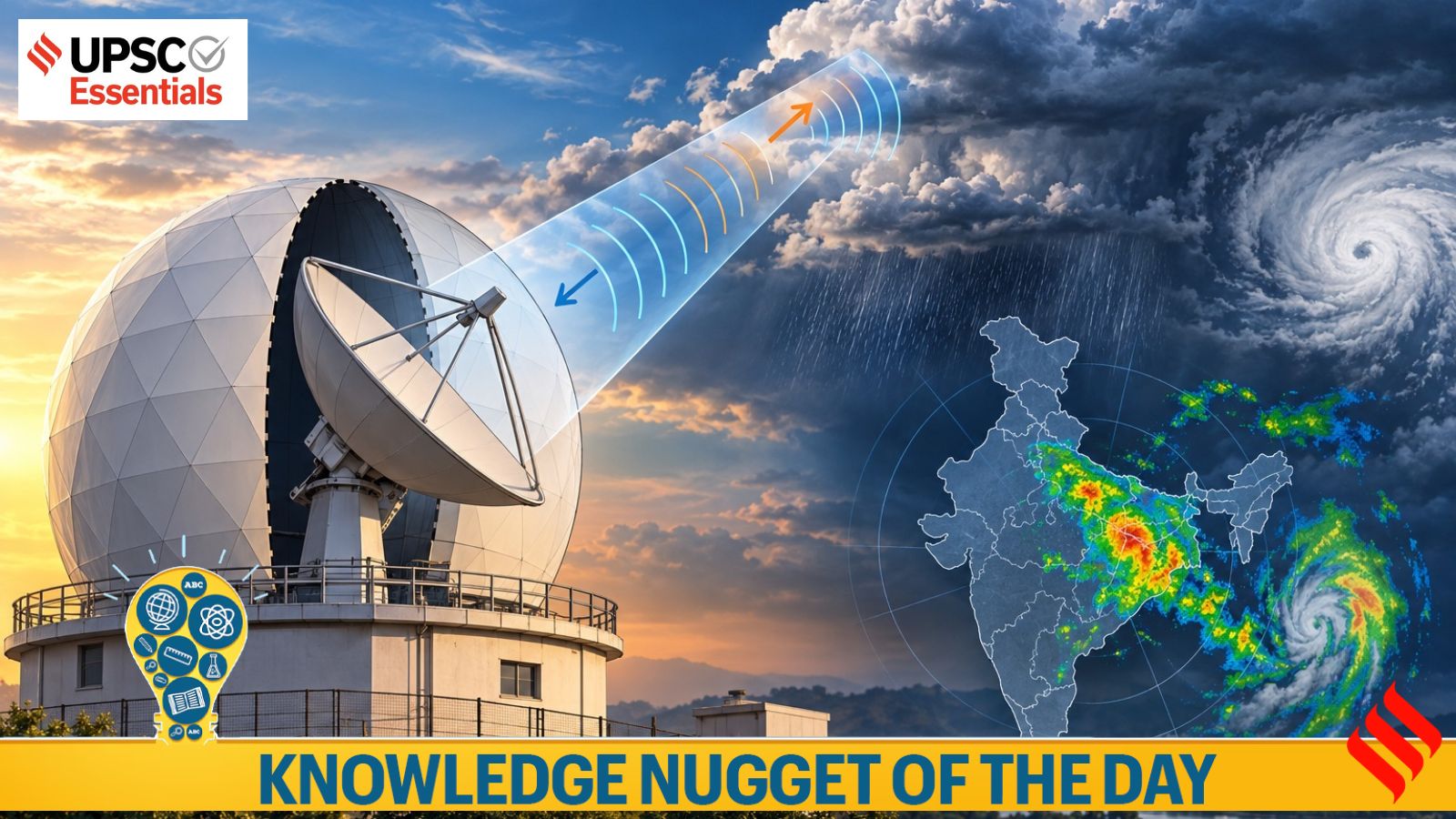
India Expands Doppler Radar Network With Sambalpur Facility
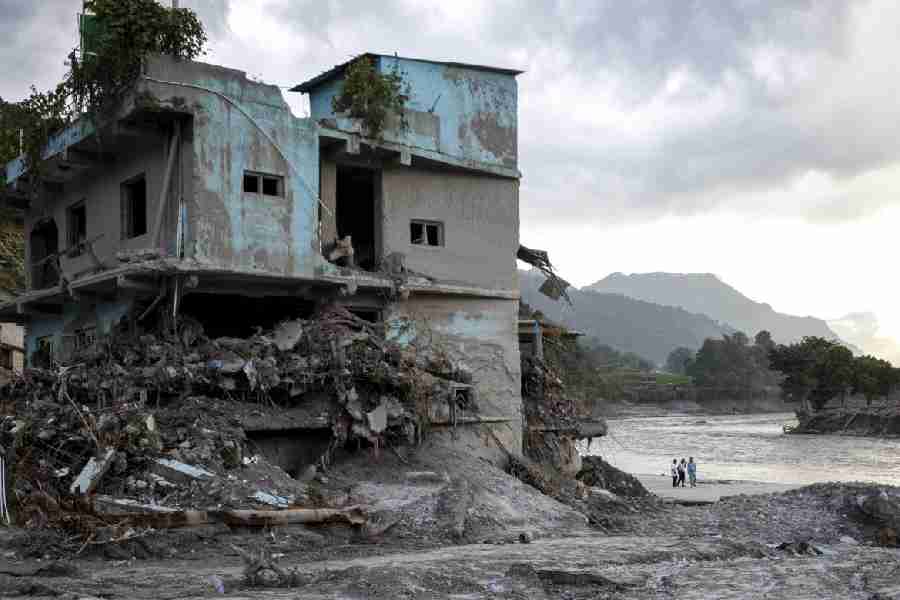
Climate Scientist Urges Early Warnings Beyond Rainfall After Nepal Floods

Odisha Inaugurates Third Doppler Radar To Strengthen Weather Forecasting

Maharashtra Approves ₹86.65 Crore Relief For Kharif Losses

UPSC Weekly Current Affairs: Environment, Diplomacy, Defence and Economy

Moody’s Raises India FY27 Growth Forecast to 7% Amid Risks
India’s Gig Economy Growth Leaves Women Behind, Study Finds
Young Indians Demand Good Jobs as Aspirations Meet Reality

Azim Premji University Announces Lecture on India’s Middle Classes

Rs 18.66 lakh crore infrastructure projects approved under PM GatiShakti
