2 hrs ago
Why the Opposition Should Not Boycott Elections
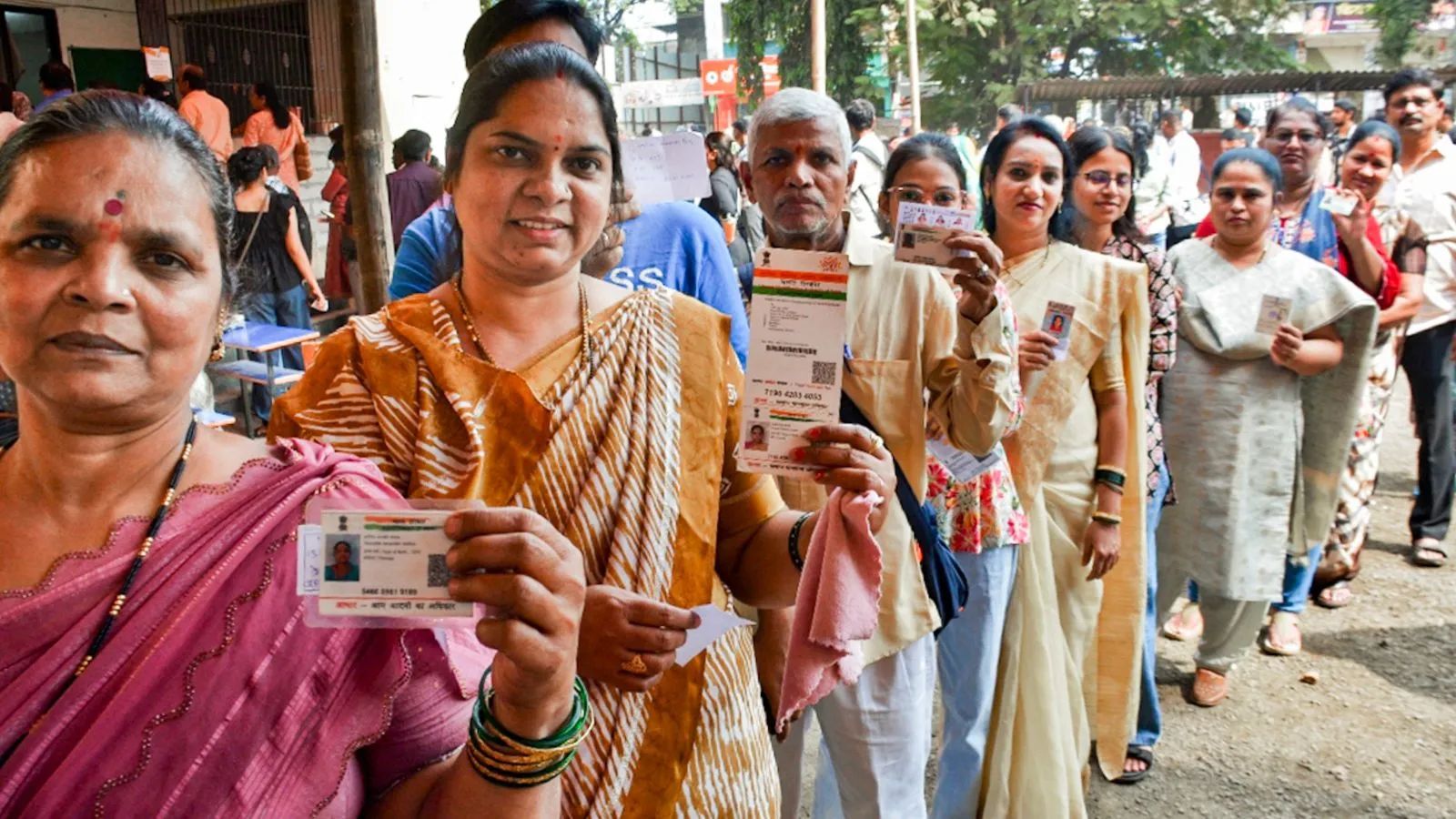
Some people think opposition parties should stop taking part in elections because they believe the process is unfair.
They hope a boycott would show that the system is not legitimate.
The writer disagrees.
They argue that if opposition parties leave, the governing party will face less competition.
Elections also give parties a way to speak to voters and raise concerns.
The article says boycotts helped challenge British colonial rule, but that situation was different from elections in an independent country.
It also argues that parties can lose their local teams and public support if they stop campaigning.
The writer believes opposition parties should contest elections while continuing to challenge unfairness.
The article presents Hungary as an example of an opposition that kept competing.

The article says allegations of Election Commission misconduct and voter disenfranchisement have prompted calls for opposition parties to boycott elections.
Boycott advocates, as described in the article, argue withdrawal would deny legitimacy to a compromised system.
The writer argues that boycotting would leave political power uncontested and weaken the opposition’s ability to represent voters and hold government accountable.
The article contrasts colonial-era boycotts with later participation under the Government of India Act of 1935, saying the circumstances differed.
It argues that contesting elections sustains party organisations and public debate, and cites Hungary as an example of opposition participation.
- Who
- The article’s writer, identified as a fourth-term Congress MP from Thiruvananthapuram, argues against an opposition election boycott; the writer is not named in the supplied text.
- What
- An opinion article argues that opposition parties should continue contesting elections despite alleged irregularities.
- Where
- India; it also cites Hungary as an example.
- When
- The article refers to recent weeks but gives no publication date.
- Why
- The writer argues that boycotting would surrender political space, weaken opposition organisations, and reduce opportunities to represent voters and challenge the government.
Supporters of an election boycott
The case for continued participation
Whether elections should be contested
Supporters of an election boycott
As described by the writer, boycott advocates say the opposition should not participate in a process they consider fundamentally compromised, because withdrawal could deny the government democratic legitimacy.
The case for continued participation
The writer argues that a boycott would leave the field open to political opponents and remove opportunities to represent citizens, influence policy, and hold those in power accountable.
How to challenge institutional problems
Supporters of an election boycott
Boycott advocates cited in the article see non-cooperation as a way to expose institutional decay and alert the public to threats to democracy.
The case for continued participation
The writer argues that opposition parties should contest elections while publicly challenging irregularities, using campaigns to mobilise voters and keep alternative views in public debate.
Lessons from historical boycotts
Supporters of an election boycott
The article presents the freedom-struggle analogy as part of the rationale for using electoral boycotts as a moral protest.
The case for continued participation
The writer says colonial rule was a different context from a sovereign democracy and points to Congress participation under the Government of India Act of 1935 as evidence that participation can preserve representation.
Key facts
- Article type
- Opinion article
- Central argument
- The opposition should contest elections rather than boycott them.
- Allegations cited
- The article refers to alleged Election Commission misconduct and the disenfranchisement of 13 crore voters.
- Historical comparison
- The article contrasts the Congress boycott under the Montagu-Chelmsford reforms of 1919 with participation under the Government of India Act of 1935.
- Boycott advocates’ case
- As presented in the article, they view a boycott as a way to deny legitimacy to a compromised electoral system.
- Writer’s concern
- Non-participation could weaken party cadres, local networks, public engagement, and opposition scrutiny.
- Example cited
- The article says Hungary’s opposition continued contesting elections and ultimately won a landslide victory; it gives no date for the election.
Quotes

Talleyrand
French diplomat whose observation is cited in the article.
“les absents ont toujours tort”
 indianexpress.com
Sources
Related news
Why India’s Opposition Parties Keep Contesting Despite Rigging Claims
Opposition Weighs Electoral Boycott as Nuclear Option

Dipke Calls on Opposition to Quit Allegedly Rigged Elections
Opinion Defends Electoral Roll Revision Against Opposition Criticism
Opposition Sees Voter Roll Revision as Democratic Rallying Point

Abhijeet Dipke Urges Opposition to Boycott Elections Amid SIR Row
Opposition MPs Head to Jantar Mantar to Demand CEC’s Resignation
Delhi Barricades Routes Ahead of INDIA Bloc Sit-In
Kangana Ranaut Mocks Jaya Bachchan Over Protest Video
CJP and Student Groups Prepare for October 10 Election Commission Protest
Gyanesh Kumar Row Reunites India’s Opposition, but Tests Remain