1 hr ago
Opposition Weighs Electoral Boycott as Nuclear Option
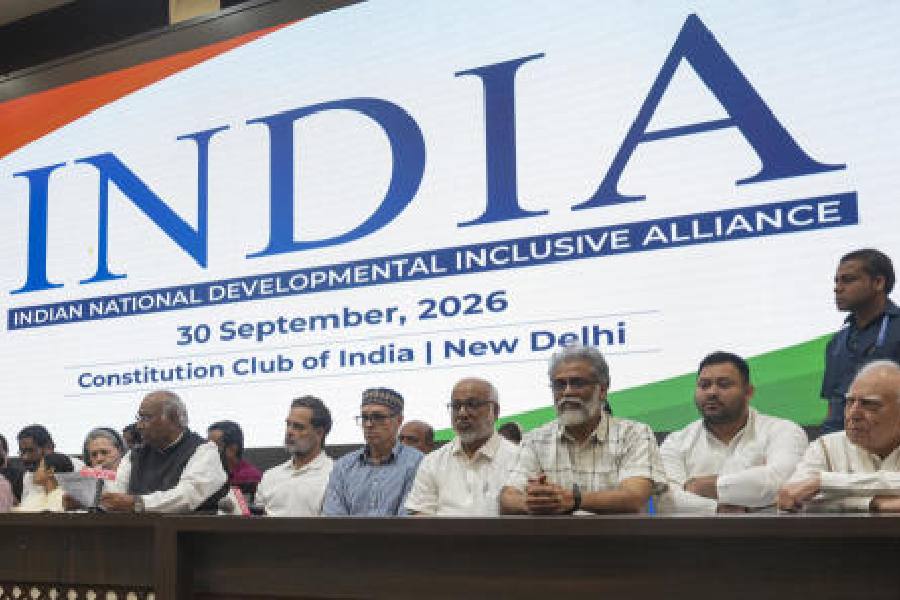
Opposition parties say India’s election system is becoming unfair.
Rahul Gandhi said the connection between voting, laws and the Constitution has been damaged.
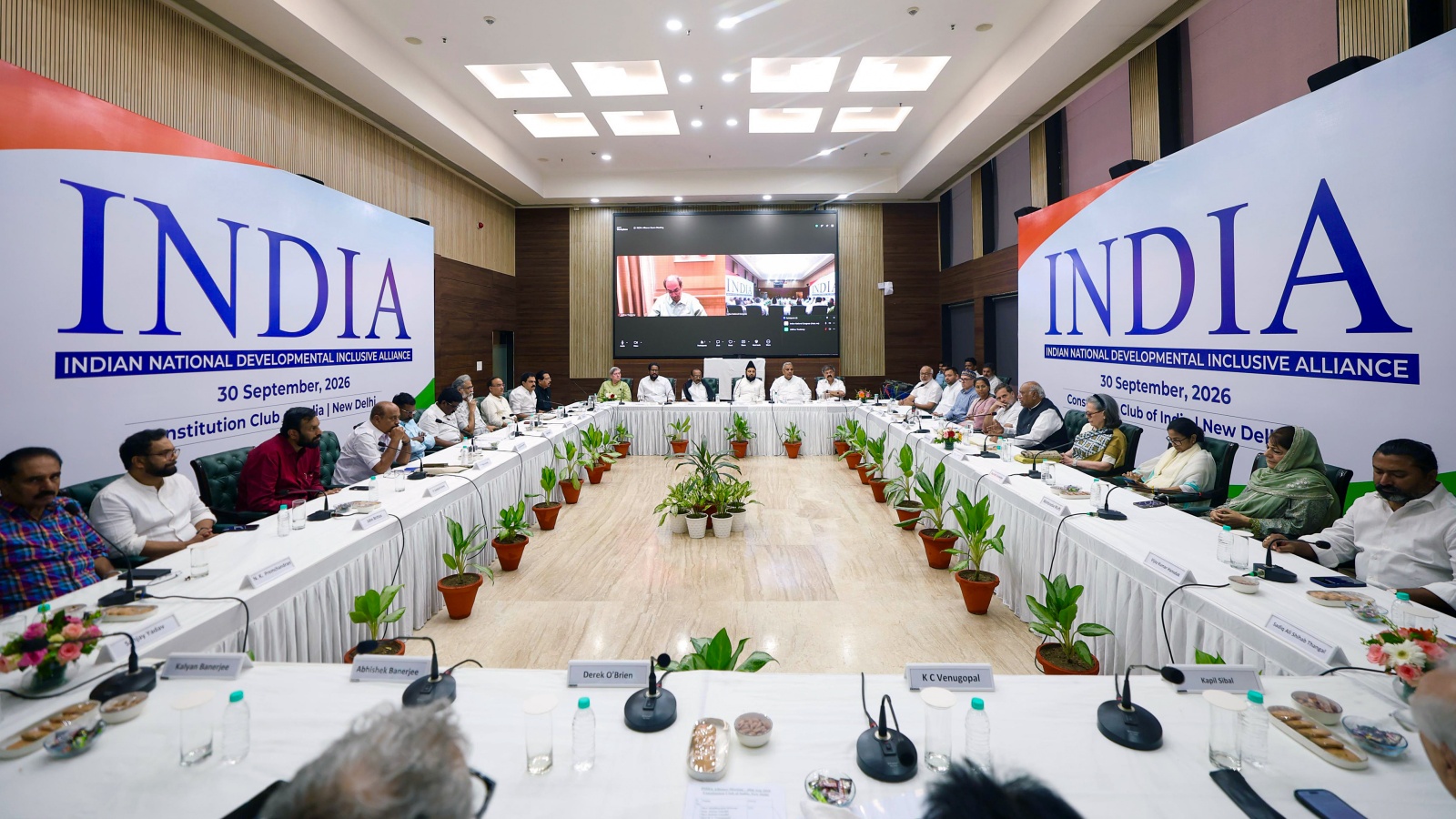
The INDIA bloc has raised concerns about the Election Commission and electoral-roll changes.
Some people might think the Opposition should stop taking part in elections.
But boycotting elections is difficult because parties may disagree or try to win the empty seats.
A boycott could also cause splits inside parties.
The article says a boycott should be treated as a last-resort tool, like a very powerful button.
Before threatening one, Opposition parties would need to agree on clear conditions and show that they are willing to act together.

Rahul Gandhi said the link between votes, laws and the Constitution is broken.
The INDIA bloc alleges bias and manipulation involving electoral-roll revisions and elections.
An electoral boycott would require broad coordination among Opposition parties and internal party discipline.
The article says boycotts could impose legitimacy costs but carry uncertain political gains.
It proposes strengthening the INDIA bloc, defining red lines and preparing popular mobilization.
- Who
- Rahul Gandhi, the INDIA bloc and other Opposition parties are central to the discussion; the Election Commission is the institution being criticized.
- What
- The article examines whether Opposition parties should develop the credible threat of boycotting elections over alleged electoral and institutional failures.
- Where
- The concerns cited involve India, including West Bengal, Bihar and other states facing future elections.
- When
- The discussion follows recent controversies, including a June letter from 23 INDIA bloc parties to the Supreme Court.
- Why
- Opposition parties allege biased electoral administration and manipulation, while the article examines boycott risks and how such a threat might deter further institutional damage.
Boycott as deterrence
Boycott as a risky strategy
Strategic value
Boycott as deterrence
A credible boycott threat could impose legitimacy costs on the government and pressure it to respect institutional red lines.
Boycott as a risky strategy
A boycott could leave the electoral field open to rival parties and produce uncertain gains.
Coordination
Boycott as deterrence
The INDIA bloc could build collective strength through regular meetings, shared demands and binding public commitments.
Boycott as a risky strategy
Opposition parties have strong incentives to defect, while enforcing a common pact across parties and states would be difficult.
Political consequences
Boycott as deterrence
Internal consensus and popular mobilization could support a sustained national struggle if elections fall below agreed standards.
Boycott as a risky strategy
Boycott calls could provoke party splits, resistance from state units and splinter groups, making the strategy difficult to execute.
Key facts
- Central issue
- Whether the Opposition can credibly threaten an electoral boycott.
- Opposition coalition
- The INDIA bloc, also described as the INDIA coalition.
- Reported concern
- Alleged bias in the Election Commission’s conduct and the rollout of the Special Intensive Revision.
- June action
- Leaders of 23 Opposition parties sent a letter to the Supreme Court.
- Main obstacle
- Parties and state units could defect, contest independently or resist a common boycott.
- Proposed foundation
- Regular INDIA bloc meetings, agreed institutional demands and public commitments.
- Additional tactics
- The article says boycotts would be more effective alongside protests, strikes and popular mobilization.
Quotes

Thomas Schelling
Theorist of nuclear strategy cited in the article’s discussion of deterrence.
“the power to constrain an adversary may depend on the power to bind oneself.”
 telegraphindia.com
Sources
Related news
Opposition Sees Voter Roll Revision as Democratic Rallying Point
INDIA Bloc Announces Marches, Rallies Over Alleged ‘Vote Chori’
INDIA bloc plans protests against Election Commission, SIR, CEC
India's Opposition Seeks Unity Amid CEC Allegations and Challenges
INDIA Bloc Announces Rallies Demanding Electoral Transparency
Opposition Unites Against Chief Poll Officer Over Voter Rolls
INDIA Bloc Pushes Unity and Broader Opposition Fight Against BJP
PMK, TVK, BJP Signals Shape Tamil Nadu Coalition Talks
Jammu and Kashmir Assembly Unites Over Jal Jeevan Delays