2 hrs ago
Opinion Defends Electoral Roll Revision Against Opposition Criticism
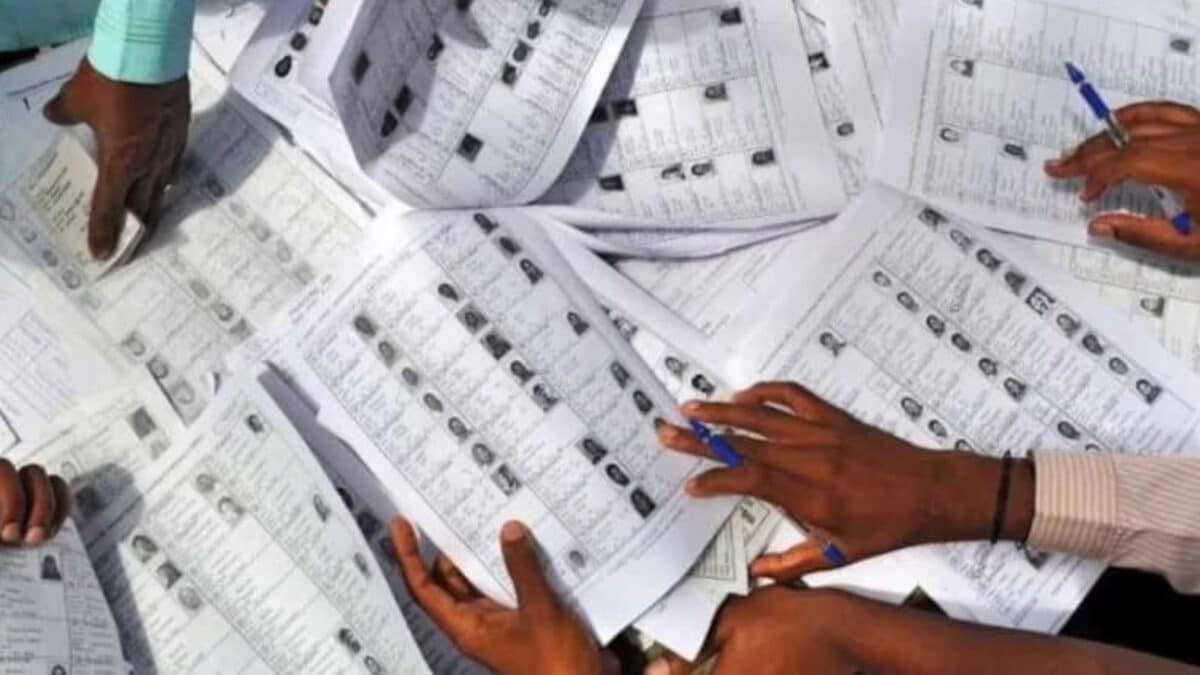
A News18 opinion article discusses a project to check and update India’s voter lists.
The project is called the Special Intensive Revision, or SIR.
The author says it removes entries for people who have died, are listed more than once, or are not eligible to vote.
Opposition parties, according to the article, say the process could wrongly keep people from voting.
The writer disagrees and says eligible voters can seek corrections if their names are missing.
The article also says political parties’ booth-level representatives take part in the process.
These are the author’s arguments, rather than a neutral report comparing all sides in detail.

A News18 opinion article argues that India’s Special Intensive Revision (SIR) is an administrative effort to remove deceased, duplicate and ineligible entries from voter rolls.
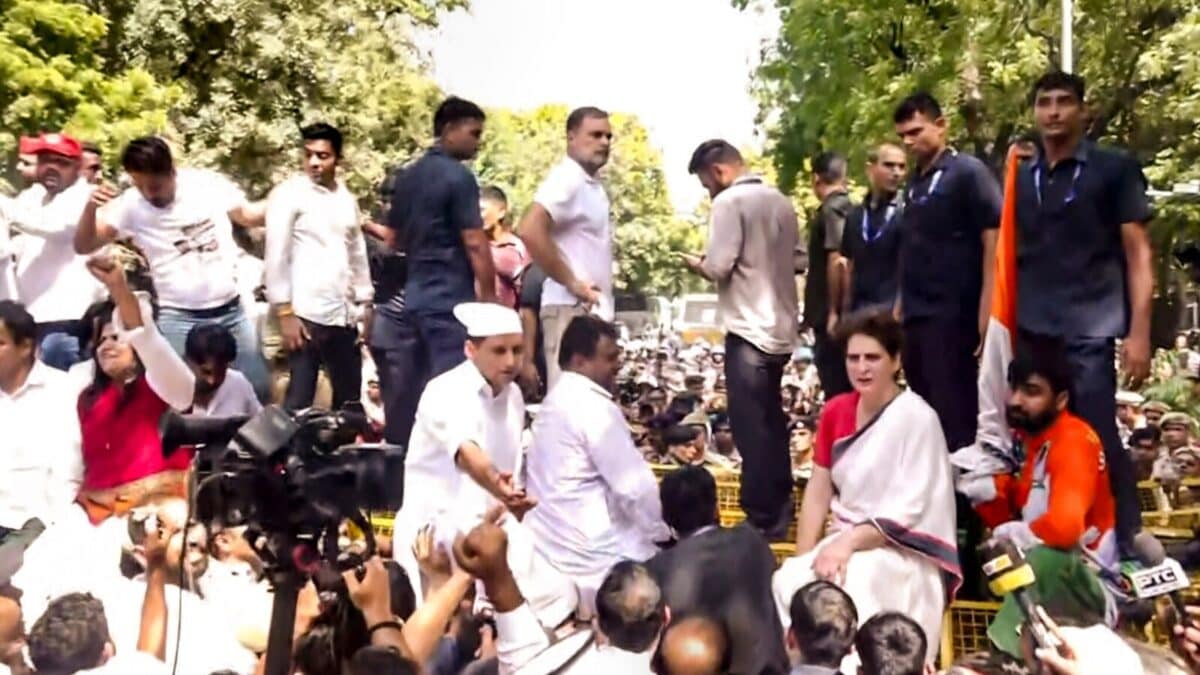
The author says opposition parties have portrayed the revision as disenfranchisement and organized protests against the Election Commission of India.
The article asserts that the Supreme Court of India upheld the Election Commission’s constitutional authority to revise electoral rolls.
It says recognized parties’ Booth Level Agents participate in the process and that mechanisms exist to restore or add eligible voters’ names.
The writer argues that the revision protects electoral integrity, while the article presents opposition concerns as politically motivated.
- Who
- The Election Commission of India and opposition parties, including the Congress-led INDIA bloc, are discussed in the article.
- What
- An opinion article defends the Special Intensive Revision of electoral rolls and criticizes opposition protests and claims of disenfranchisement.
- Where
- The article discusses India, including protests in Delhi and Mumbai.
- When
- The article was published October 6, 2026.
- Why
- The author argues the revision is intended to remove deceased, duplicate and ineligible entries and protect electoral integrity.
Opposition concerns
Author’s argument
Effect on eligible voters
Opposition concerns
The article says opposition parties have accused the Election Commission of disenfranchisement and framed the revision as a threat to democracy.
Author’s argument
The author argues that removing deceased, duplicate and ineligible entries protects legitimate voters’ ballots, and says mechanisms exist to correct missing names.
Purpose and conduct of the revision
Opposition concerns
The article describes opposition parties as protesting the process and questioning the poll panel.
Author’s argument
The author characterizes the revision as a constitutional administrative exercise, says it is applied uniformly across states, and cites party Booth Level Agents’ participation as a transparency measure.
Key facts
- Article type
- Opinion
- Publisher
- News18
- Publication date
- October 6, 2026
- Subject
- Special Intensive Revision of electoral rolls
- Author
- Prosenjit Nath
- Protests mentioned
- Delhi and Mumbai
- Transparency measures cited
- Participation by Booth Level Agents from recognized political parties and mechanisms for correcting or adding eligible voters’ names
Sources
Related news
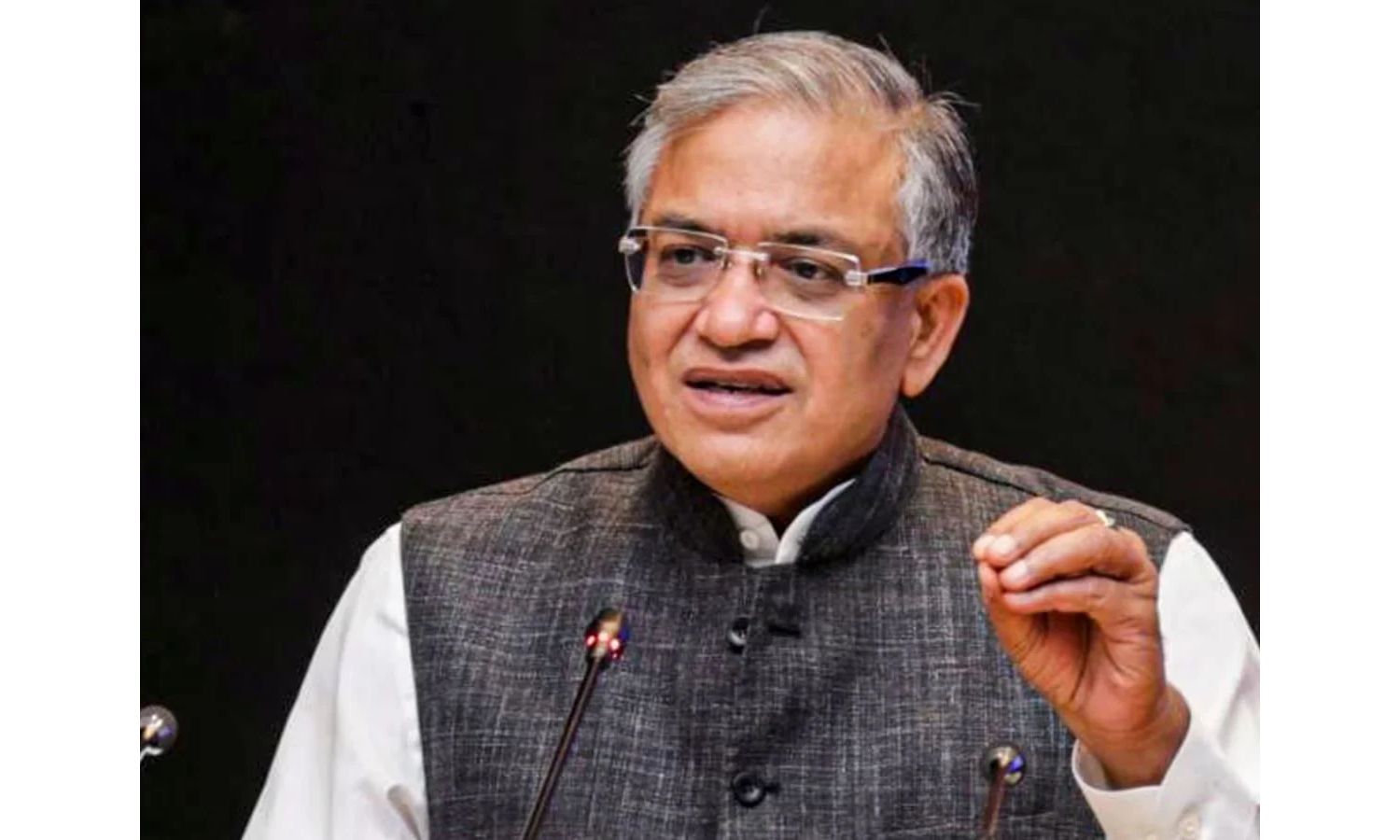
Opposition Sees Voter Roll Revision as Democratic Rallying Point
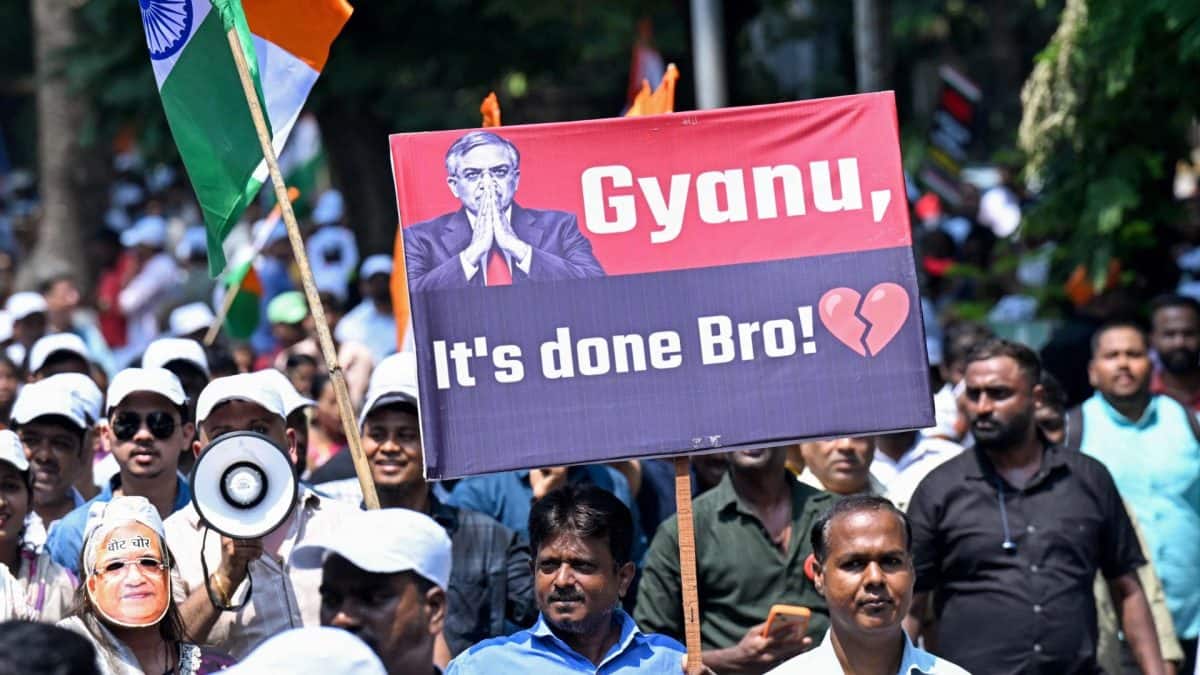
Opposition Protesters Demand Election Chief’s Resignation Over Voter Roll Changes

Sibal Accuses Election Commission of Manipulating Electoral Rolls

Election Commission Dispute Reignites Major Vote Chori Controversy
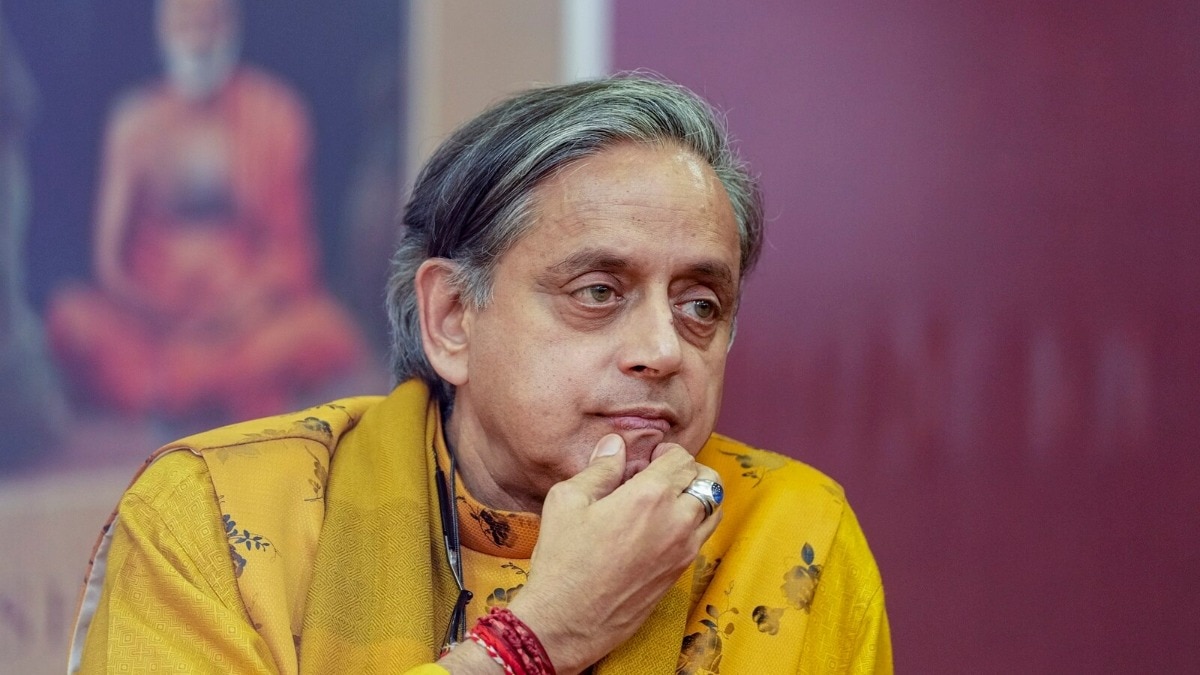
Tharoor Urges India to Rethink or Abandon Voter Roll Revision
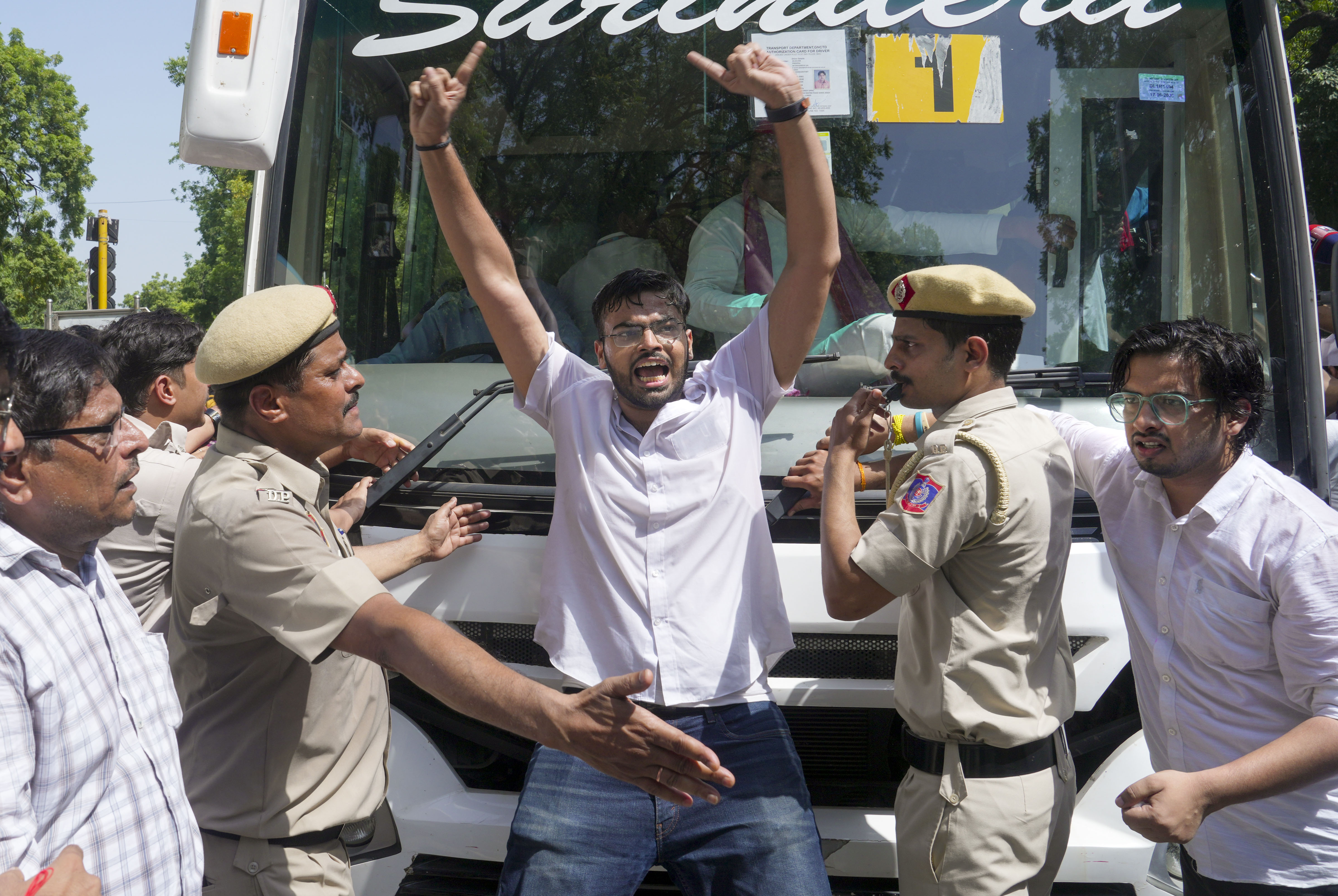
Delhi Police Issues Bodycams Amid Protest Misconduct Allegations
Left Student Groups to Join Delhi Protest on October 10

Rahul Says Democracy Is Destroyed After MPs’ March Is Stopped
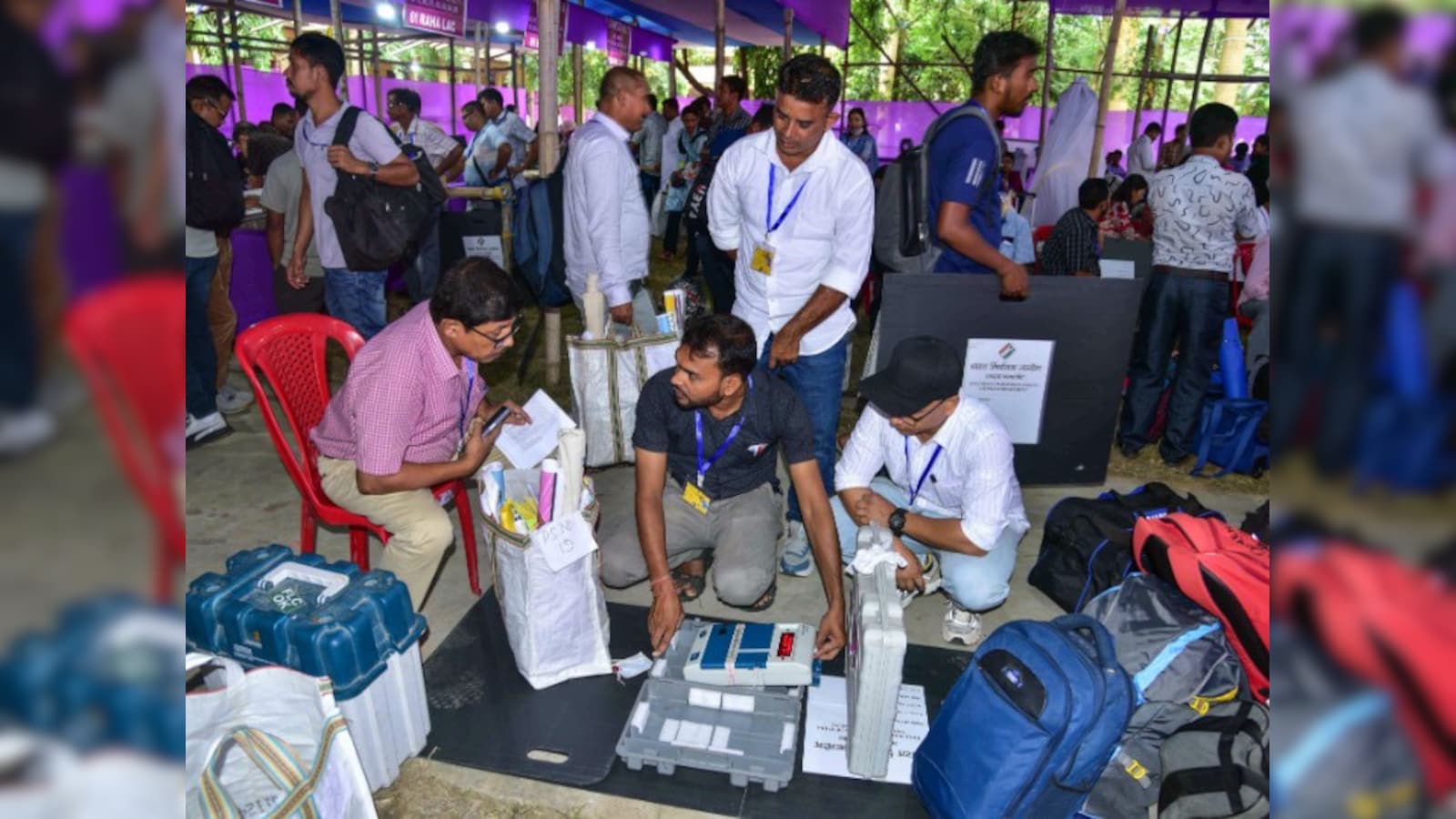
Supreme Court Reviews EC Decisions as Past Election Rulings Resurface