1 hr ago
Supreme Court to Consider Recall of Election Appointments Verdict
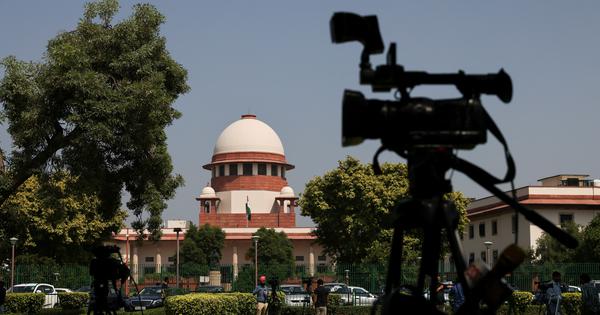
The Supreme Court is considering a request to revisit a decision about a law for choosing Election Commission leaders.
The earlier decision sent challenges to the law to a larger group of judges.
An advocate says one judge should have disclosed that his son worked as a lawyer for the Election Commission in Madhya Pradesh.
Chief Justice Surya Kant said he would consider whether to recall the decision.
The law says a committee chooses the election officials.
The committee includes the prime minister, a Union Cabinet minister and the Lok Sabha Opposition leader.
One judge said the process might not be independent enough.
Another said the legal question should be decided by a larger bench.

Chief Justice Surya Kant said he would consider an application to recall a September split verdict.
The verdict referred challenges to the 2023 Election Commission appointments law to a larger bench.
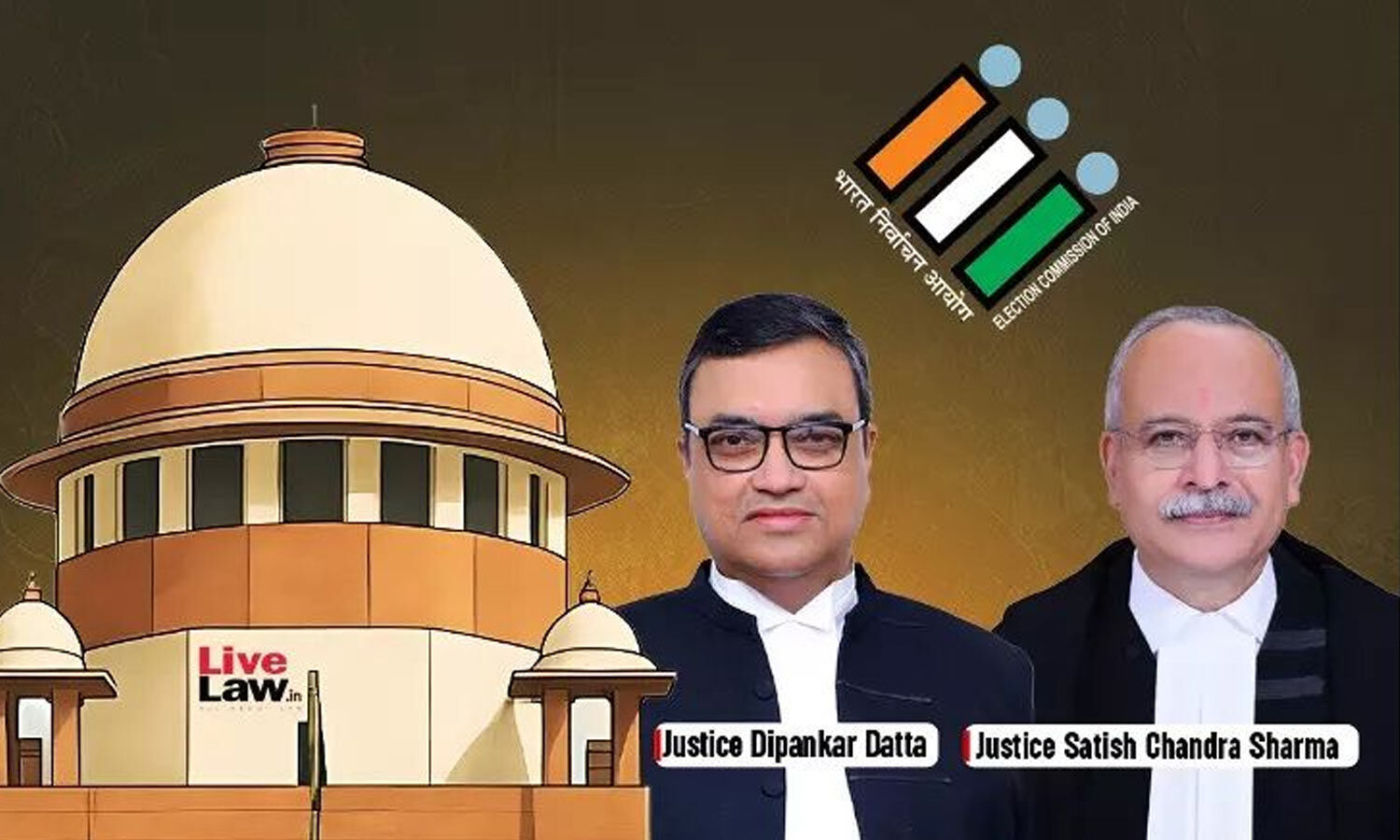
The application questions whether Justice Satish Chandra Sharma should have disclosed his son’s role as an Election Commission standing counsel in Madhya Pradesh.
Justice Dipankar Datta said the law did not appear to ensure an independent selection process; Sharma said a larger bench should decide the substantial legal question.
The law gives the prime minister and a Union Cabinet minister two seats on the selection committee, alongside the Lok Sabha Opposition leader.
- Who
- Chief Justice Surya Kant, Justice Satish Chandra Sharma, Justice Dipankar Datta, and the petitioners challenging the law.
- What
- The Supreme Court is considering an application to recall its split verdict referring challenges to the 2023 appointments law to a larger bench.
- Where
- The Supreme Court of India; the alleged undisclosed professional connection concerned the Election Commission in Madhya Pradesh.
- When
- The recall application was mentioned on Wednesday; the split verdict was pronounced on September 23.
- Why
- The application questioned whether Justice Sharma should have disclosed his son’s role as a standing counsel for the Election Commission; the petitions challenge the law’s constitutionality.
Independent selection concerns
Larger-bench determination
Whether the selection law ensures independence
Independent selection concerns
Justice Dipankar Datta said the law did not appear to ensure an independent selection process, and the government holds two of the committee’s three seats.
Larger-bench determination
Justice Satish Chandra Sharma disagreed with those observations and said the substantial question of law should be decided by a larger bench.
Disclosure issue raised in recall application
Independent selection concerns
The application asked why Justice Sharma had not disclosed during the proceedings that his son was a standing counsel for the Election Commission in Madhya Pradesh.
Larger-bench determination
The report does not state Justice Sharma’s response to the allegation; Chief Justice Surya Kant said he would consider whether to recall the split verdict.
Key facts
- Law
- Chief Election Commissioner and Other Election Commissioners Appointment, Conditions of Service and Term of Office Act, 2023
- Split verdict
- On September 23, the petitions challenging the law were referred to a larger bench.
- Selection committee
- The prime minister, a Union Cabinet minister and the Lok Sabha leader of the Opposition.
- Committee balance
- The government has a 2:1 majority over the Opposition leader if they disagree.
- Justice Dipankar Datta’s view
- The law did not appear to ensure an independent selection process.
- Justice Satish Chandra Sharma’s view
- A substantial question of law was involved and should be decided by a larger bench.
- Earlier arrangement
- A March 2023 Supreme Court judgment created a committee of the prime minister, Opposition leader and Chief Justice of India.
- May hearing
- The Supreme Court questioned the need to include a Union Cabinet minister on the selection panel.
Quotes
Justice Dipankar Datta
Supreme Court justice who heard the petitions challenging the law.
“does not appear to ensure an independent selection process”
 scroll.in
Sources
Related news
Supreme Court Split Over Election Commissioner Appointment Law Reference
Supreme Court to Reconsider Split Verdict on Election Appointments Law
Supreme Court Split Over CEC Appointment Larger Bench
Supreme Court Splits Over Larger Bench for Election Law
Supreme Court to Examine Plea Seeking Recall of Split Verdict
Why India’s 2023 Election Commissioner Law Faces Supreme Court Review
Calcutta High Court Extends Mahua Moitra Security Protection
Supreme Court Keeps Delhi Protest Violence Panel Intact

Supreme Court Rejects Changes to NEET Protest Probe Panel