

1 hr ago
Why India’s Often-Misunderstood Striped Hyenas Matter to Ecosystems
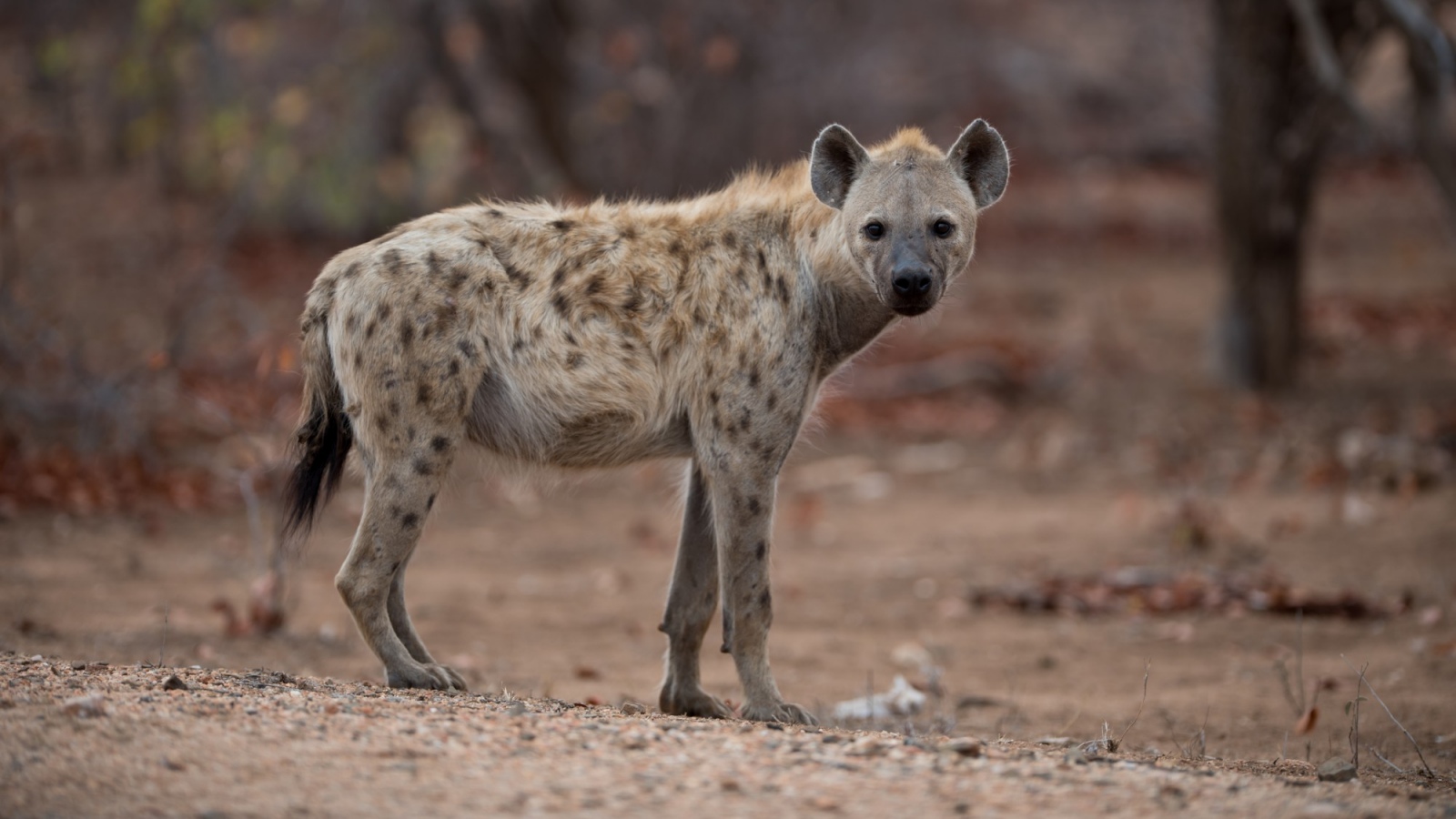
Striped hyenas live in parts of India.
Many people misunderstand them or fear them because of folklore.
But these animals perform an important job in nature.
They eat dead animals and leftover remains.
This helps keep the landscape cleaner.
Their feeding also returns nutrients to the ecosystem.
Striped hyenas are different from the more widely known spotted hyenas of Africa.
Even though they are often overlooked, they help support healthy ecosystems.

Striped hyenas are often misunderstood and associated with fear in Indian folklore.
The animals are scavengers that consume carcasses and other animal remains.
By removing dead organic matter, they help recycle nutrients through ecosystems.
Striped hyenas live across parts of India, especially in dry and semi-arid landscapes.
Wildlife photographer and conservationist Indrajit Ghorpade explained their overlooked ecological importance.
- Who
- Striped hyenas, with insights from wildlife photographer and conservationist Indrajit Ghorpade.
- What
- An explanation of the ecological role and importance of striped hyenas.
- Where
- Parts of India, particularly dry and semi-arid landscapes.
- When
- A recent report by The Hindu highlighted the issue; no specific date is given.
- Why
- They consume carcasses and animal remains, removing dead organic matter and helping recycle nutrients.
Key facts
- Species
- Striped hyena (Hyaena hyaena)
- Primary role
- Scavenging
- Main food
- Carcasses and animal remains
- Ecological benefit
- Removes dead organic matter from the landscape
- Nutrient impact
- Helps recycle nutrients into the ecosystem
- Indian habitat
- Dry and semi-arid landscapes
- Public perception
- Often misunderstood and associated with fear in folklore
Sources
Related news
Six Vulture Species Found In Or Associated With India

Air Force Doctor Photographs India’s Rarest Vultures Before They Vanish
Indian Flying Fox: Unique Fruit-Eating Bat
Suspected Hyena Attack in Mandsaur Kills Six Goats

India Builds Vulture Restaurants to Aid Vanishing Scavengers
Bhupender Yadav Calls for More Vulture Safe Zones
