

6 days ago
Pakistan, IMF Clash Over Direct State Contracts Rules
Pakistan is making new rules for how the government buys goods and services.
The government sometimes wants to give work directly to state-owned companies without asking private companies to compete.
The IMF says this should happen only in special situations.
It also wants officials to explain and publicly disclose why they skipped competitive bidding.
The IMF worries that state-owned companies could win contracts and then pass most of the work to private firms.
Pakistan agrees that state-owned companies should normally do the work themselves, but wants some flexibility.
The disagreement has delayed the new procurement rules.
The rules are part of a larger plan to improve Pakistan’s economy and restructure or sell some state-owned companies.

Pakistan and the IMF disagree over when government contracts may be awarded directly to state-owned enterprises.
The IMF wants direct awards limited to exceptional cases, with written explanations and public disclosure.
Pakistan accepts a 40% subcontracting cap but wants procurement authorities to retain flexibility to modify thresholds.
The dispute has delayed Pakistan’s replacement of its 2004 public procurement rules, due for approval by June.
Pakistan’s five-year plan aims to privatise or restructure 24 state-owned enterprises in three phases.
- Who
- The Government of Pakistan and the International Monetary Fund (IMF).
- What
- They are disputing rules for directly awarding government contracts to state-owned enterprises and the related procurement safeguards.
- Where
- Pakistan’s federal public procurement system.
- When
- The disagreement was reported in 2025; the new rules were expected to be approved by June.
- Why
- Pakistan wants flexibility to assign some work directly to public-sector organisations, while the IMF wants tighter safeguards against favouritism, inflated costs, corruption, and rule circumvention.
Pakistan’s Position
IMF’s Position
Direct awards to SOEs
Pakistan’s Position
Pakistan wants authority to award some government work directly to state-owned organisations, including flexibility for exceptional circumstances.
IMF’s Position
The IMF accepts limited exceptions but wants direct awards tightly controlled and used only when projects are extremely time-sensitive, geographically scattered, remotely located, or clearly in the public interest.
Subcontracting flexibility
Pakistan’s Position
Pakistan accepts a 40% subcontracting cap but wants procurement authorities to be able to modify the relevant thresholds over time.
IMF’s Position
The IMF fears that threshold changes could allow the rules to be bypassed and wants the cap enforced as a serious procurement safeguard.
Public disclosure
Pakistan’s Position
Pakistan’s draft requires an electronic undertaking that rules were followed but does not clearly require public disclosure of the justification for the direct award.
IMF’s Position
The IMF wants the awarding agency’s head to provide a written explanation, submit it electronically, and make it publicly available.
Key facts
- State-owned enterprises
- Pakistan has 212 SOEs incorporated under various legal structures.
- Subcontracting limit
- The IMF proposes that SOEs subcontract no more than 40% of a project; Pakistan accepts the limit but wants it to be relaxable.
- Procurement threshold
- Pakistan’s proposed rules would require competitive bidding for procurements above PKR 700,000.
- Old framework
- The proposed rules would replace Pakistan’s 2004 public procurement rules.
- Planned SOE reform
- Pakistan launched a five-year plan to privatise or restructure 24 SOEs in three phases.
- IMF programme
- Pakistan’s 37-month Extended Fund Facility was approved in September 2024.
- Recent IMF funding
- Pakistan received about $1.32 billion in fresh IMF funding in May.
Sources
Related news

US Report Flags Gaps in Pakistan Military Budget Oversight
Why Asim Munir May Be Softening Toward Imran Khan

Pakistan's Rs 3 Trillion Defence Budget Draws US Oversight Warning
Pakistan Supreme Court Returns Government Plea Over Khan Transfer

IMF Stalls Bangladesh Loan Over Financial and Climate Reforms

Mohammad Amir's Overseas Player Status in PSL

Pakistan Airspace Closure Deepens West Asia War’s Airline Impact
Air India Names New CEO Who Almost Led Pakistan's PIA
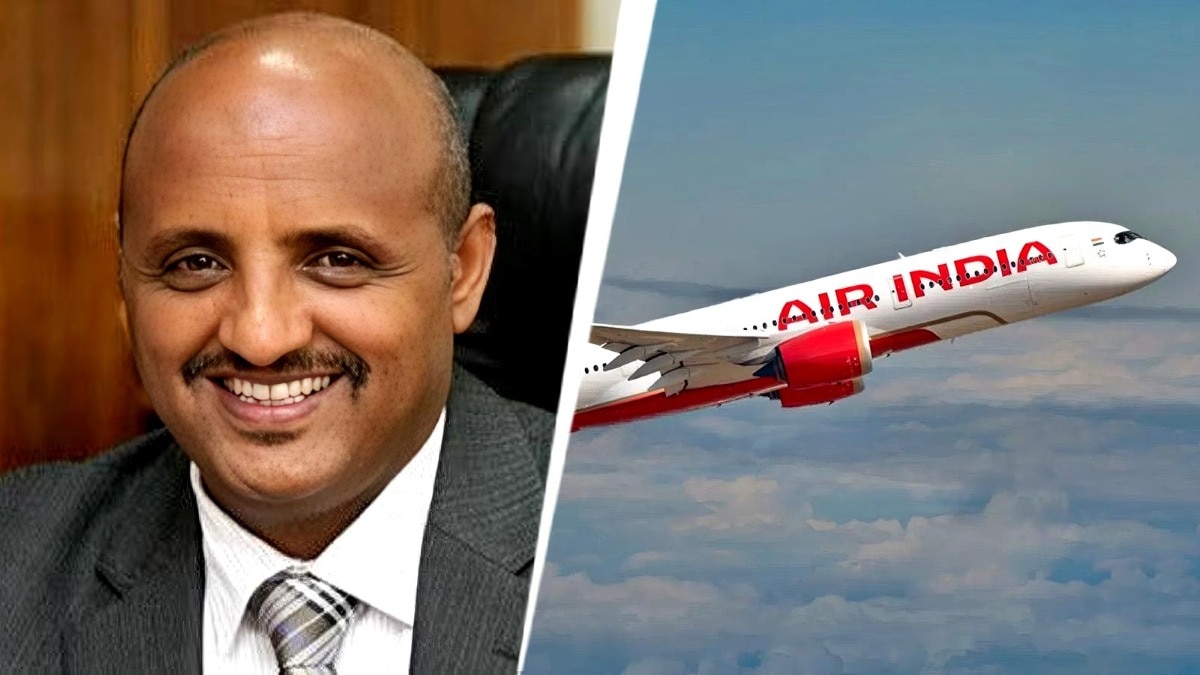
Tewolde Gebremariam chooses Air India over Pakistan International Airlines

Air India names former Ethiopian Airlines chief Tewolde Gebremariam CEO
