

1 week ago
Delhi Eateries Face End of Temporary Fuel Relaxation
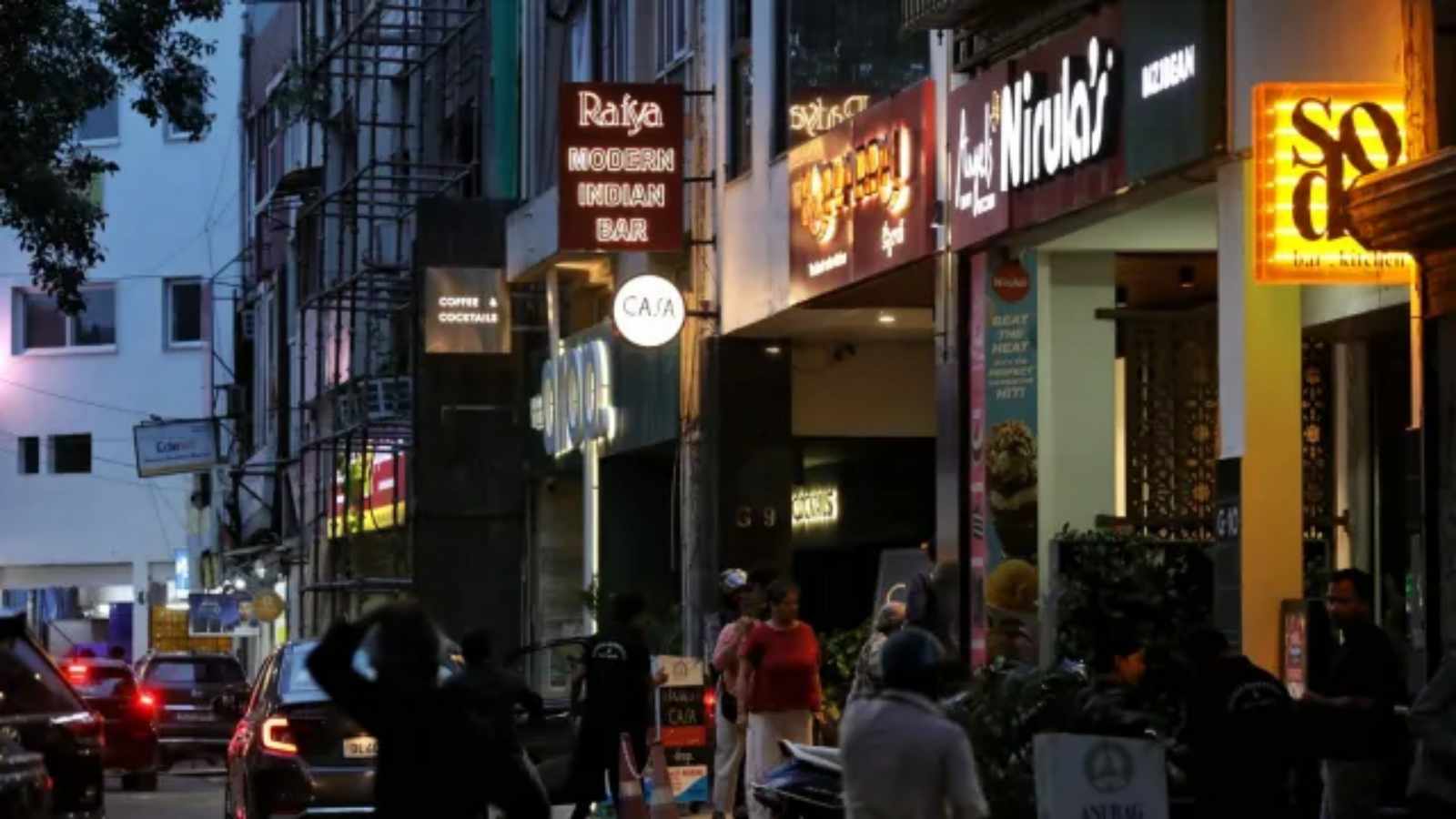
Some restaurants in Delhi-NCR have been allowed to use dirtier fuels because natural-gas supplies were disrupted.
This temporary permission is scheduled to end on September 13.
Officials are unlikely to extend it again.
They worry that coal and similar fuels could make winter air pollution worse.
Restaurants say cleaner fuels such as LPG and PNG cost more.
These higher costs can raise food prices for customers.
A restaurant industry representative said formal restaurants have generally not gone back to coal.
However, smaller and unorganised eateries may still depend heavily on coal.
The final decision will also involve the Ministry of Petroleum and Natural Gas.

The temporary permission for Delhi-NCR eateries and other establishments to use coal, HSD and other alternate fuels expires September 13.
The Commission for Air Quality Management is unlikely to extend the relaxation for a fourth time.
Natural-gas disruptions linked to geopolitical developments in the Middle East have continued since early March 2026.
Restaurants report higher fuel and raw-material costs, while some industry representatives say formal eateries have not returned to coal.
Officials are concerned that continued use of polluting fuels could worsen winter air pollution in Delhi-NCR.
- Who
- The Commission for Air Quality Management, Delhi-NCR restaurants and other establishments, and the Ministry of Petroleum and Natural Gas.
- What
- A temporary relaxation allowing certain establishments to use coal, high-speed diesel, kerosene and other alternate fuels is due to expire, with no likely fourth extension.
- Where
- Delhi-NCR and adjoining areas.
- When
- The current relaxation is scheduled to end on September 13; the natural-gas disruption began in early March 2026.
- Why
- Natural-gas supplies have been disrupted by geopolitical developments in the Middle East, while officials want to prevent additional winter air pollution from unapproved fuels.
Pollution Control
Restaurant and Supply Concerns
Whether to extend the relaxation
Pollution Control
CAQM officials are unlikely to grant a fourth extension because continued use of polluting fuels could dilute pollution-control gains, especially during winter.
Restaurant and Supply Concerns
Businesses need temporary alternatives because natural-gas disruptions have continued and cleaner fuels are more expensive or may have limited availability.
Use of coal by eateries
Pollution Control
Officials and air-quality experts view coal and other unapproved fuels as a pollution risk, particularly when stagnant winter weather limits pollutant dispersal.
Restaurant and Supply Concerns
The formal restaurant sector says it has generally not returned to coal, but representatives say the unorganised sector, including smaller eateries and dhabas, remains heavily dependent on it.
Cost of cleaner fuels
Pollution Control
The approved-fuel system is intended to move commercial and industrial users toward natural gas, PNG, LPG, electricity, CNG, LNG and specified biofuels.
Restaurant and Supply Concerns
Restaurant operators report higher LPG and raw-material costs, while the higher cost of PNG has discouraged complete adoption in some areas.
Key facts
- Current deadline
- September 13
- Regulatory body
- Commission for Air Quality Management in National Capital Region and Adjoining Areas
- Temporary relaxation began
- March 13
- Previous extensions
- The relaxation was extended in April, June and August.
- Permitted alternatives
- HSD, biomass and refuse-derived fuel pellets; coal and kerosene were allowed when alternatives were unavailable.
- Normal ban
- Coal and other unapproved fuels have been banned for industrial and commercial use across Delhi-NCR since January 1, 2023.
- Industry pollution contribution
- Industry emissions were cited as contributing 9% of winter pollution and 14% during summer.
Quotes
A government official
An unnamed government official discussing the possible extension of the fuel relaxation.
“The decision on the matter is pending. Officials are concerned that continuing the relaxation through the winter could dilute the gains from restrictions on polluting fuels.”
 indianexpress.com
“We listen to the government being part of the formal organised sector… but the rest of the unorganised sector continue to rely on coal heavily.”
indianexpress.com
Sources
Related news

CAQM Sets Phased Electric Shift for Delhi-NCR Goods Vehicles
CNG Prices Rise in Delhi as LPG, PNG Rates Vary
LPG, CNG, PNG prices August 11: latest rates in Indian cities

IGL Raises Delhi CNG Prices Amid West Asia LNG Crisis
LPG, CNG, PNG Prices Today: Latest Rates in Major Cities

USS Abraham Lincoln Docks in Thailand

Gold Prices Fall Further Amid US-Iran Tensions and Rate Fears

Iran Says It Targeted US Forces in Bahrain

Gold falls to two-week low as yields, dollar pressure prices

Jefferies Sees 33% Reliance Industries Upside Amid Refinery Disruptions
