

1 hr ago
Why Solar Panels Are Tilted to Capture More Sunlight

Solar panels are tilted so they can catch more sunlight.
Their photovoltaic cells use sunlight to make electricity.
Light produces more useful energy when it hits the panel more directly.
The best angle is different in different places because the Sun moves differently across the sky.
Engineers consider location, latitude and the changing seasons when choosing the angle.
They also make sure rows of panels do not shade one another.
Some large solar systems use motors to follow the Sun, but fixed panels are simpler and cheaper to maintain.
The tilt can also help rain, dust, debris and snow slide away.

Tilting solar panels helps sunlight strike their photovoltaic cells more directly, improving potential energy generation.
The best fixed angle depends on location, latitude, seasons, the Sun’s path and the system’s purpose.
Engineers balance a steeper tilt against available space and the risk of one panel row shading another.
Solar tracking systems can move panels with the Sun but require motors, controls and additional maintenance.
A slope also helps rain, dust, debris and, in colder regions, snow slide off the panels more easily.
- Who
- Engineers and designers of solar installations determine the panels’ tilt.
- What
- Solar panels are angled to receive sunlight more directly and generate electricity efficiently.
- Where
- The principle applies to rooftop installations and large solar farms; the ideal angle varies by location.
- When
- The angle matters throughout the day and across changing seasons.
- Why
- Tilting can improve sunlight capture while helping manage shading, dust, rain, debris and snow.
Key facts
- How electricity is produced
- Photovoltaic cells use energy from sunlight photons to generate an electric current.
- Main angle factor
- A common starting point for fixed installations is the site’s latitude.
- Location effect
- Sites farther from the Equator generally require a steeper tilt than sites closer to it.
- Tracking systems
- Some large installations move panels as the Sun travels across the sky.
- Fixed-panel benefit
- Fixed structures are generally simpler and more economical than tracking systems.
- Shading concern
- Designers must leave enough space between rows to limit shadows from one row falling on another.
- Reported Indian capacity
- India had 164.59 GW of installed solar capacity as of July 2026, according to the article.
Sources
Related news
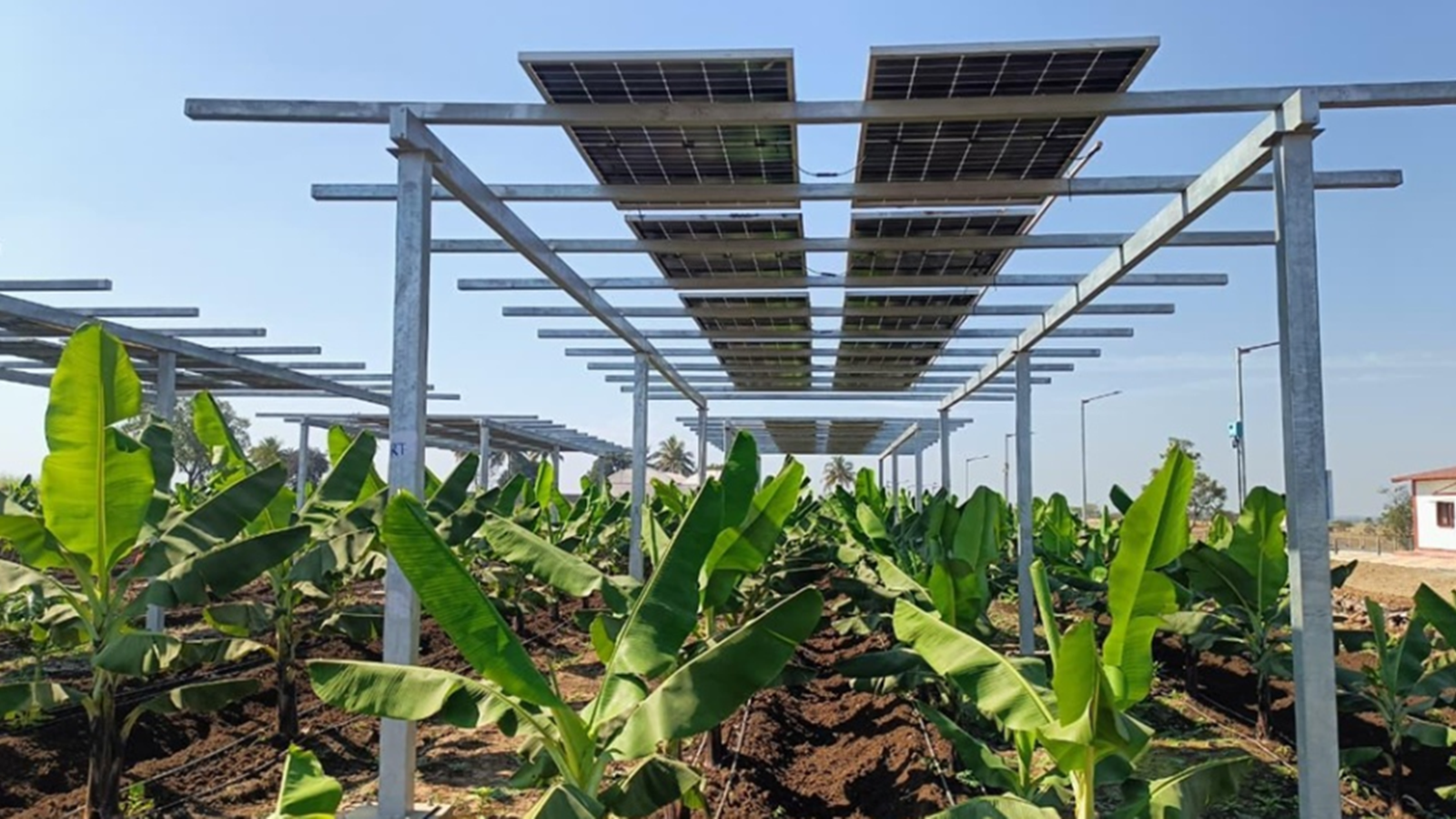
Agrivoltaic Trials Test Crops and Solar Power Together

Ganjam Leads Odisha in Rooftop Solar Installations Under PM Scheme
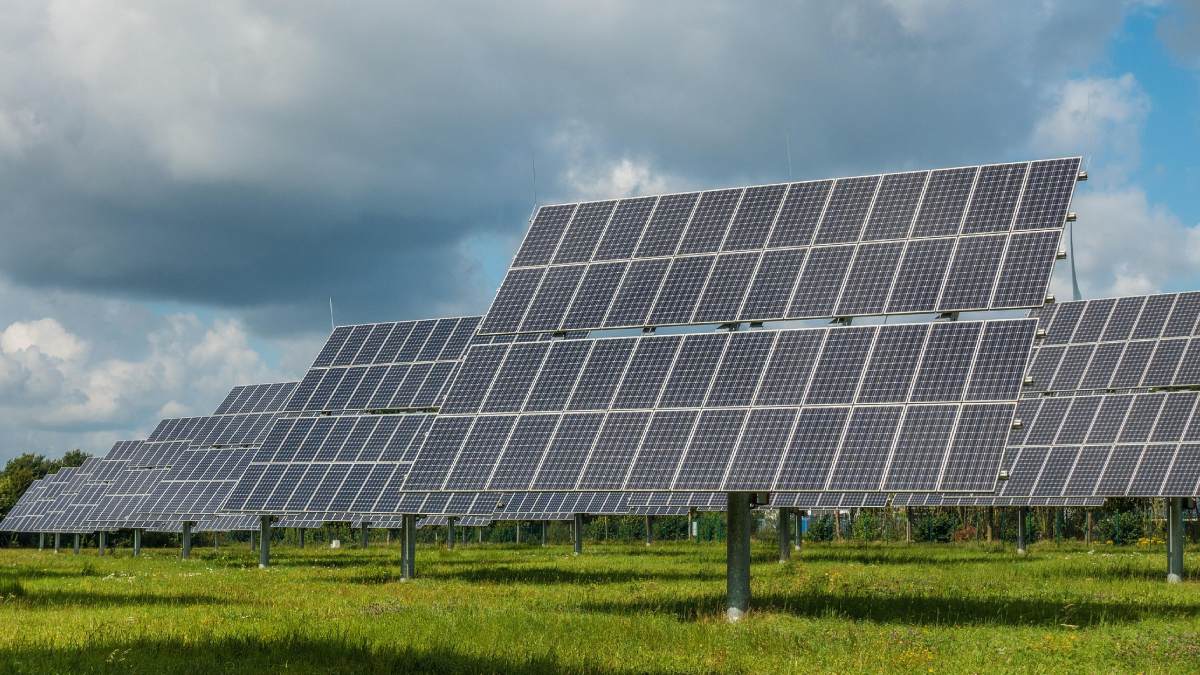
PM Surya Ghar May Tie Support to Solar Performance

GK Energy Wins ₹454.50-Crore Solar Deal for 100,000 Homes
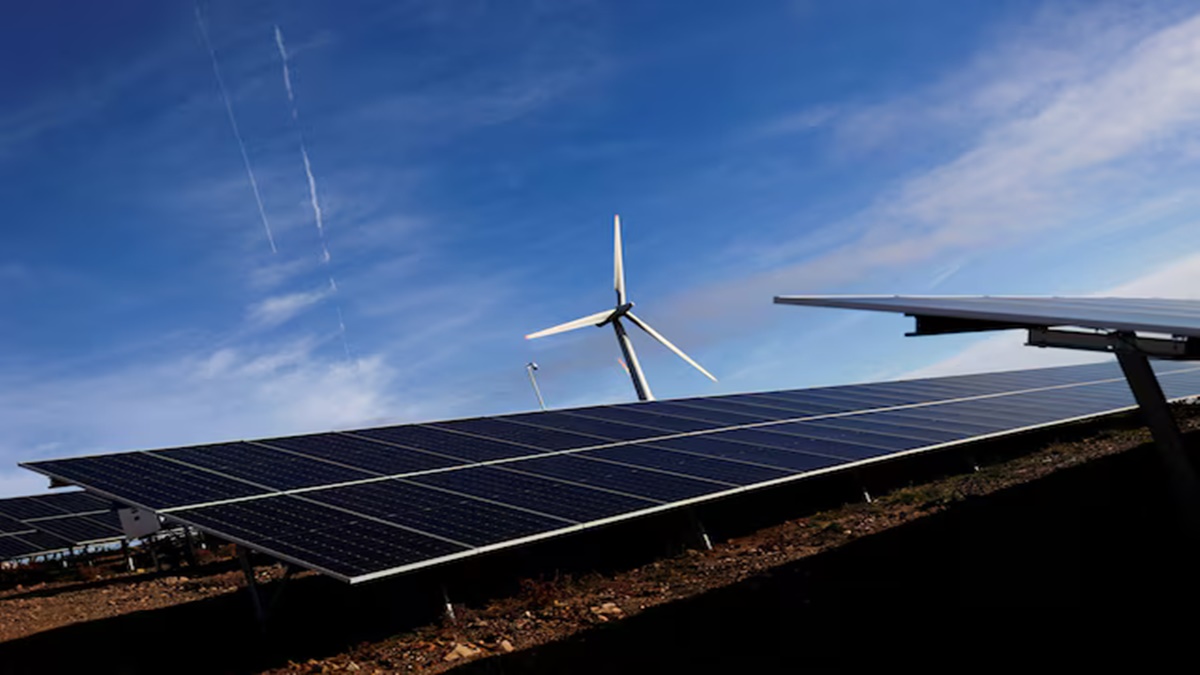
India Adds Record 27 GW Solar Capacity in H1 2026
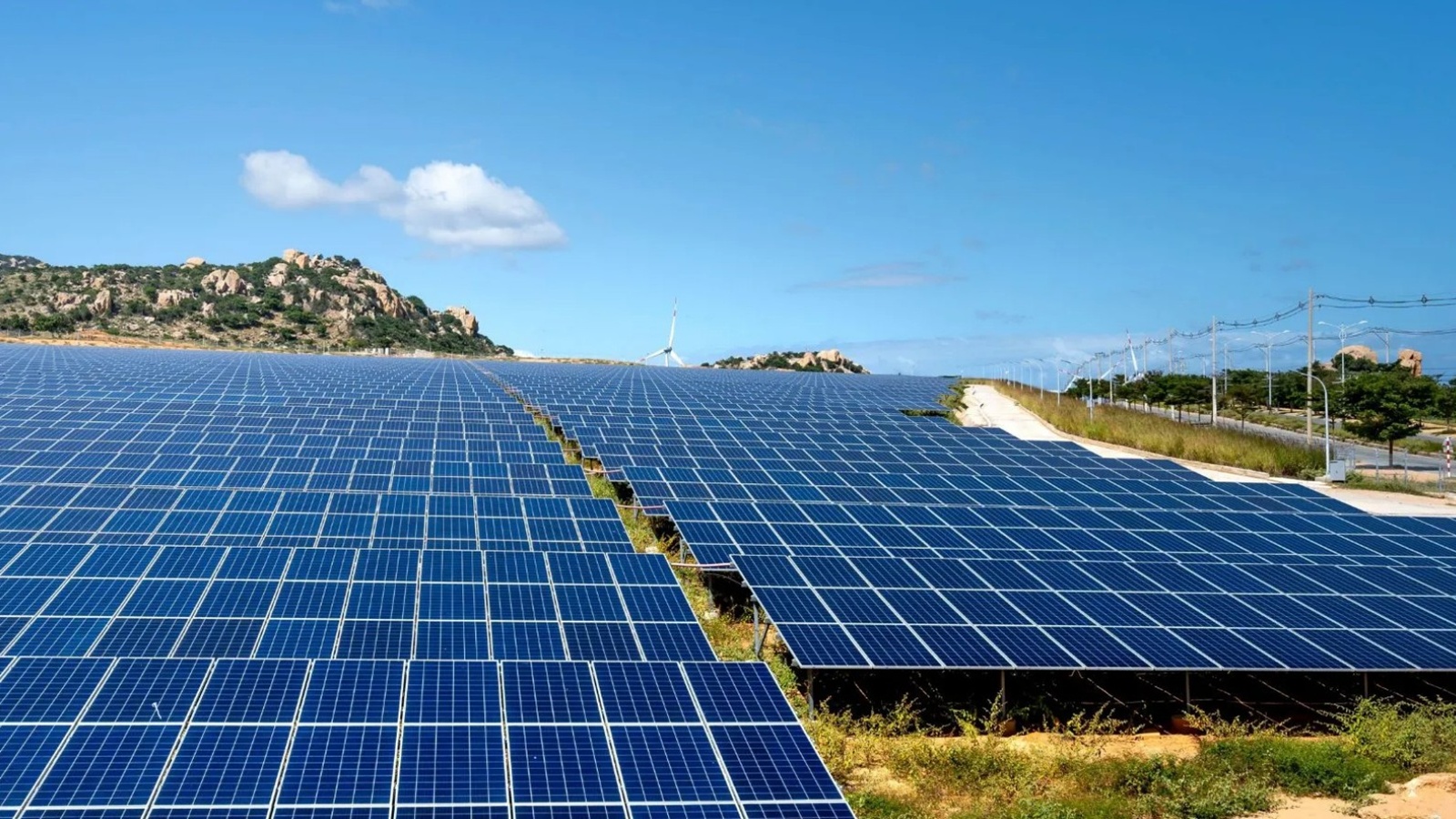
Delhi Approves Free Rooftop Solar Panels for 2.3 Lakh Homes

PLI schemes attract ₹2.4 lakh crore investments, generate 14 lakh jobs
TP Solar reports significant Q3 growth

INOXAP Secures Nitrogen Supply for ReNew's Solar Facility

China's Economic Slowdown: Intense Competition Leads to 'Involution'
